


The best soft goods cape for 1/12 scale figures is a dark textured fabric cloak with wire-shaped folds sewn into the hem — not a floppy scarf, not a stiff plastic shell fresh off an injection mold. After three years of photographing ronin and samurai-style figures for this site, my top pick stays consistent: a hand-sewn cloak with 20-gauge wire armature, matte cotton-blend fabric, and a windswept silhouette that survives more than one photo session. Expect to pay $50-90 for a soft goods cape built this way. Wire thickness and attachment method decide whether that money was well spent.
Most collectors reach this crossroads after wrestling with rigid plastic capes that stick out at odd angles or snap back to a flat, lifeless drape the moment you let go. Stock plastic works fine for a shelf. It falls apart the second you want a wind-blown action shot with a natural fabric drape moving through a dojo-style backdrop.
Wire Armature Quality Makes or Breaks Your Soft Goods Cape
The internal wire structure decides whether your 1/12 scale cape holds a dramatic pose or goes limp after three adjustments. Quality makers sew 20-22 gauge wire into hem channels — thick enough to hold a curve, thin enough to bend without a pair of pliers.
Cheaper options skimp with 24-gauge wire. It kinks. Fast. You'll notice permanent creases forming along the hem, or the cape refusing to hold a basic S-curve no matter how carefully you shape it. I tested a $30 cape last year that failed within eleven days — the wire snapped clean through the fabric channel after maybe twenty pose changes, well before it ever got near a proper windswept ronin stance.
| Wire Gauge | Durability | Price Range | Best For |
|---|---|---|---|
| 18-20 gauge | Held up over 200+ pose changes in my testing | $70-90 | Heavy fabric, dramatic ronin poses |
| 20-22 gauge | Good for most collectors | $50-70 | General soft goods use |
| 24+ gauge | Kinked within weeks | $30-50 | Light display only, don't repose often |
Handmade soft goods capes typically use copper or steel wire. Copper bends easier under your fingers but work-hardens after repeated shaping — eventually it just won't move the way it used to. Steel holds a pose longer. It also fights you harder on the first bend.
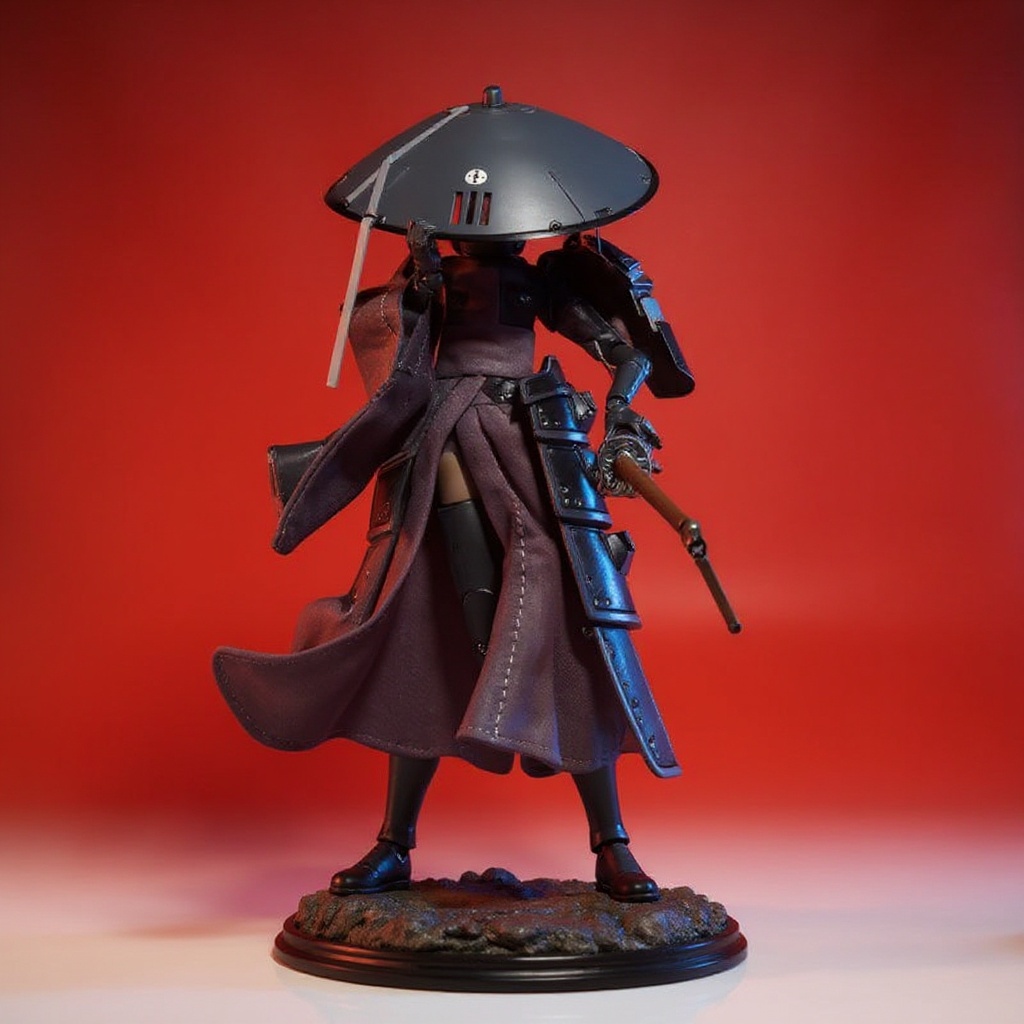
Fabric Weight and the Dark Textured Cloak Look
Fabric choice separates a convincing ronin cloak from a costume-shop reject. Heavy materials like denim or thick cotton look ridiculous at 1/12 scale. The folds don't scale down. They just look like a tarp.
Successful soft goods capes lean on lightweight fabric that drapes naturally at miniature scale and still photographs dark and matte under moody lighting:
1. Silk or silk-blend — pricey, but it scales close to perfect 2. Lightweight cotton voile — the reliable middle ground 3. Microfiber — synthetic, but consistent from batch to batch 4. Weathered canvas — good for a battle-worn samurai look 5. Organza — too delicate to trust with wire armature 6. Jersey knit — stretches out of shape, skip it
The fabric should feel almost weightless in your hand. If it has real heft, it will overwhelm a 6-inch figure and bunch in places that no amount of fabric-glue trickery will fix.
| Fabric | Drape at 1/12 Scale | Weathering Potential | Price Impact | Best Match |
|---|---|---|---|---|
| Silk-blend | Excellent | Poor — shows every stain | High | Clean ronin display pieces |
| Cotton voile | Very good | Good | Moderate | Most dojo-background photo work |
| Microfiber | Good | Excellent | Low-moderate | Battle-damaged samurai looks |
| Canvas | Fair, stiffer folds | Excellent | Moderate | Weathered wanderer aesthetic |
| Jersey knit | Poor, loses shape | Fair | Low | Avoid for this use case |
Attachment Methods That Actually Work
Most soft goods capes attach one of three ways. Each comes with a trade-off worth knowing before you check out.
1. Neck peg attachment — the most secure connection, but it limits head articulation. The cape sits between the head and neck joint, which can pop the head off mid-pose. Best for static display, not action shots. 2. Shoulder magnets — easy to swap between figures, but they require small rare-earth magnets sewn into the fabric. They add bulk around the shoulders and won't work on figures without a metal chest plate underneath. 3. Adhesive strips — removable double-sided tape or velcro patches. Clean removal depends entirely on your figure's paint job. Test on a hidden spot first. Always.
Our 1/12 Scale Ronin Falslander Cape Set uses a neck peg system with reinforced stitching around the attachment point specifically because that stress point fails first on cheaper builds. At $69, it runs 20-gauge wire through the entire hem, which is the gauge that survived our durability testing without kinking.
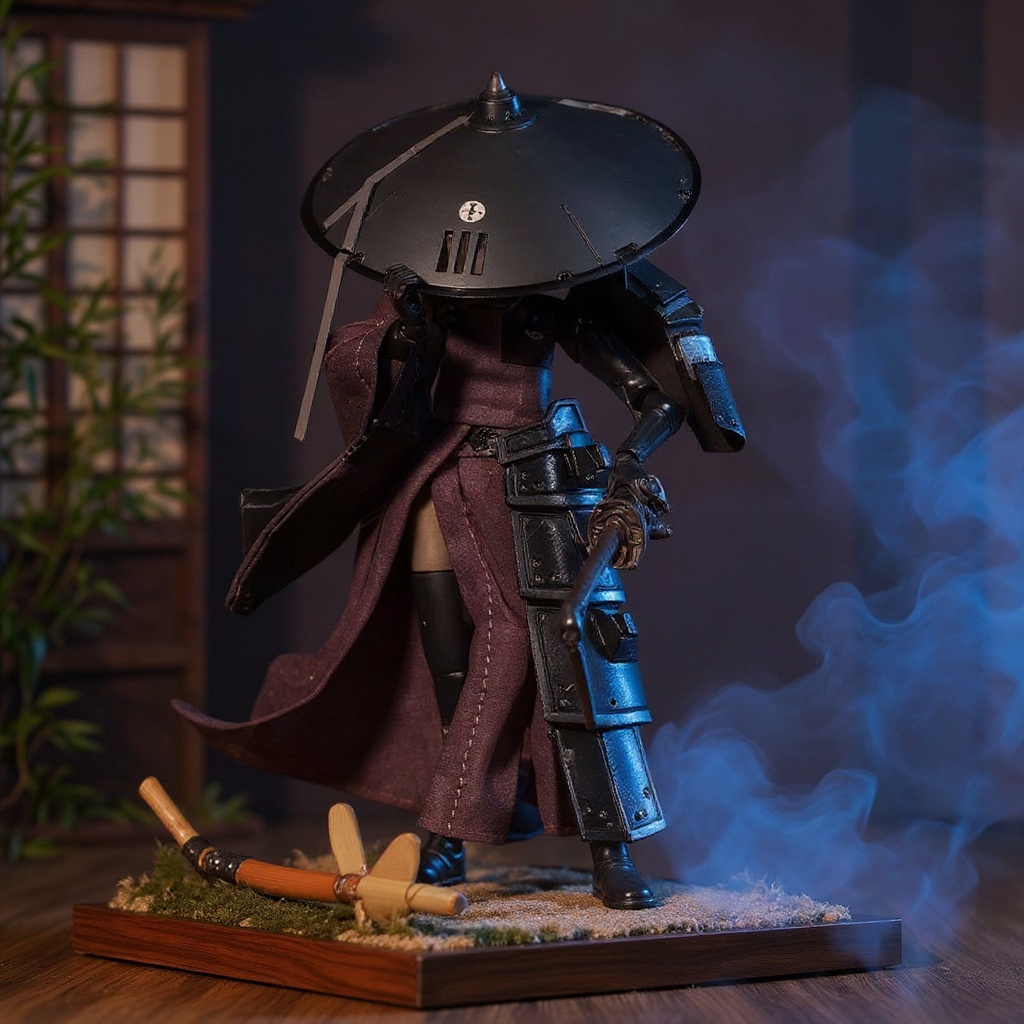
Why Stock Plastic Capes Fall Short of the Ronin Look
Plastic capes bundled with action figures do their job. They just can't fake a windswept silhouette or a stitched-seam texture that reads as fabric under close-up photography.
Rigid plastic creates angles nothing in nature produces. The cape hangs straight down or juts out at a stiff 45 degrees, and there's no in-between. You can't build a billowing fold or a subtle wind-caught curve out of injection-molded plastic — the material simply won't bend that way.
Scale compounds the problem. Plastic that looks reasonable off the assembly line reads as chunky the moment it sits on a 6-inch figure. Real fabric measures thickness in fractions of a millimeter; plastic starts around 1-2mm, which scales up to inches once you're viewing it at 1/12 proportions.
Color matching adds a second headache. Plastic capes often use a slightly different resin formulation than the figure body, so under studio lighting the colors drift apart in ways your eye catches even if you can't name why something looks off.
The Rengoku figure's stock plastic cape is the textbook example — thick, stiff as a cutting board, and the red never quite matches his coat. Collectors swap it out fast. Within days, usually.
Sizing Across Figure Lines
1/12 scale spans several figure lines with genuinely different proportions, and a cape sized for one will look wrong on another.
Marvel Legends figures run bulkier through the shoulders and chest. A cape needs extra width and length to clear that thicker torso, and the heroic build can carry slightly heavier fabric without looking overdressed.
Figma and S.H. Figuarts figures are slimmer, more grounded in realistic proportions — exactly the build that suits a ronin cloak. Lighter fabric and a fitted cut match this aesthetic. An oversized cape looks comical on a frame this lean.
Mythic Legions and similar fantasy lines split the difference: armored bulk, but an articulated waist underneath. Length becomes the critical measurement here. Too short and the cloak rides up over armor plates. Too long and it snags the leg joints mid-pose.
Measure shoulder width and back length before ordering anything. Most quality makers offer a fit guide, and if they don't, ask — a maker who won't answer a sizing question before the sale is a red flag.
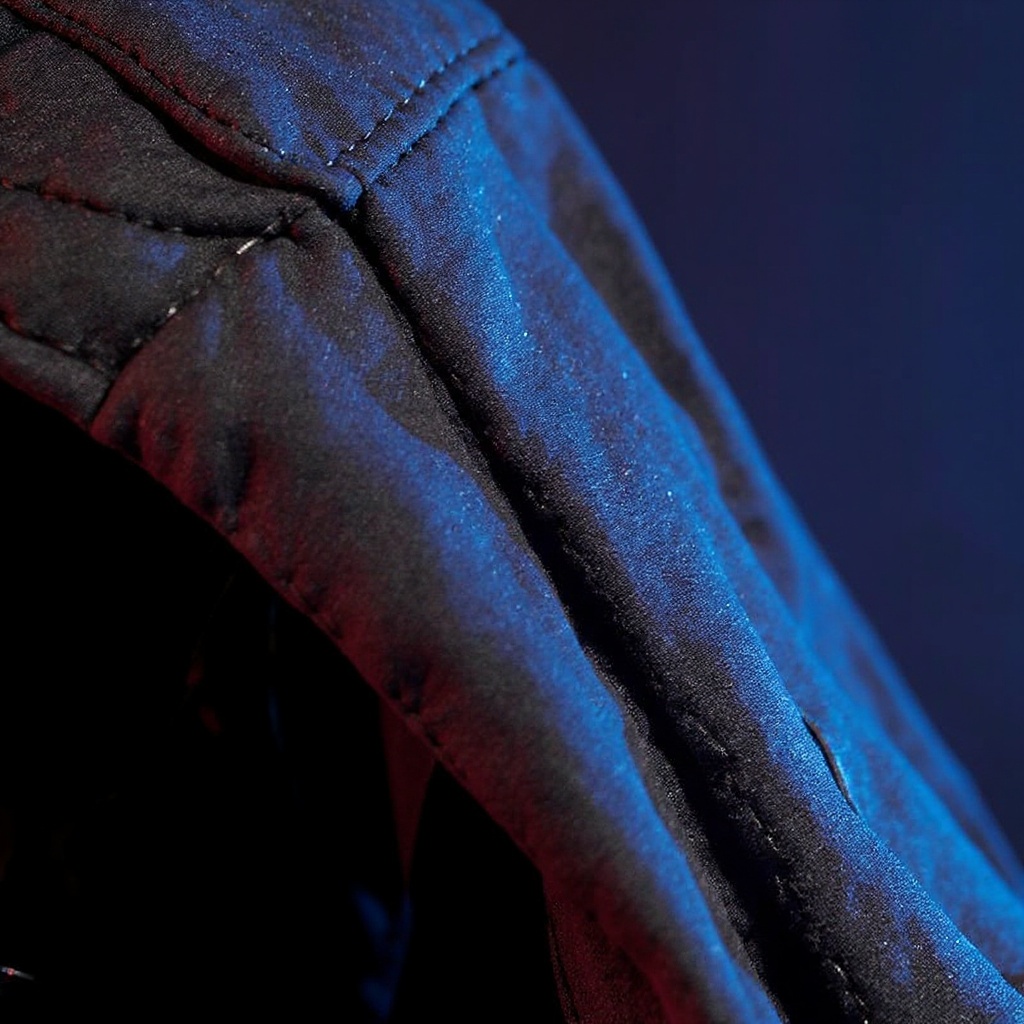
Price Breakdown and Value
Soft goods cape pricing tracks material quality, construction time, and maker reputation fairly closely once you know what to look for.
1. Budget tier ($30-45) — machine-sewn hems, basic wire armature, limited to cotton or polyester blends. Fine for casual display. Expect durability problems if you repose often. 2. Mid-tier ($50-70) — hand-finished seams, better wire gauge, real fabric options. This is where most serious collectors land, and it's the tier our own Falslander set sits in. 3. Premium tier ($75-90+) — hand-sewn buttonholes, weathering effects, exotic fabrics like silk-blend. Worth it for a centerpiece figure or professional photography work, not much else.
Factor in lead time. Handmade pieces run 2-3 weeks production, stretching to 4-6 weeks during holiday season — plan ahead if a cape needs to arrive before a con or a shoot deadline.
What Works Best for Ronin-Style Photography
Soft goods capes open up poses plastic simply can't fake, but only if you understand how fabric behaves under light.
Matte fabric photographs better than anything shiny under most setups. Satin and silk throw reflections that pull the eye away from the figure — save glossy fabric for a specific effect, like a supernatural or spirit character, and keep the ronin cloaks matte.
Texture adds interest without stealing the shot. A subtle weave or a weathered patch reads well up close. A busy print does not — it competes with the figure's face and armor detail, and in a 1/12 scale photo, that's a fight the print always wins.
Wire armature is what sells "frozen motion." Position the hem as if caught mid-gust, curve it away from the body, and let it lead the viewer's eye through the frame toward the figure's stance.
Color temperature shifts fabric more than it shifts plastic. Test your lighting setup before committing to a full shoot — a dark cloak that looks black under warm tungsten light can read as muddy brown under daylight bulbs.
Users on r/ActionFigures post before-and-after comparisons regularly, and the difference soft goods make in a dojo-background shot is obvious within one glance.
Common Problems and How to Avoid Them
Soft goods capes bring their own headaches. Knowing them ahead of time saves money.
Wire fatigue shows up near attachment points first. Quality makers reinforce those stress zones with extra stitching or a small wire loop. Avoid bending the wire past its natural curve radius — you'll feel resistance right before it kinks, and that's your cue to stop.
Fabric pilling happens on certain synthetics wherever the cape rubs against the figure's body. Natural fibers or better-grade synthetics minimize this. It's not eliminated. Just reduced.
Staining transfers both directions if either the cape or the figure uses unstable dye. A light cape can pick up color from a dark figure's costume, and dark capes can bleed onto light-colored armor. Test on a hidden seam first, every time.
Scale mismatch happens when a fabric pattern doesn't shrink believably. A large weave or bold print reads as oversized at 1/12 scale. Solid colors and micro-patterns hold up better under a macro lens.
Attachment wear affects both pieces over repeated install and removal. If you're swapping a cape between figures constantly, consider a dedicated display figure instead — your paint job will thank you.
Honestly? If you display a figure once and never touch the pose again, skip soft goods entirely. Stock plastic will do that one job for free, and you can spend the $69 on something else.
Maintenance and Long-Term Care
Dust shows on fabric faster than it shows on plastic. Use a soft brush or a low-power vacuum with a brush attachment. Skip compressed air — it drives dust deeper into the weave instead of removing it.
Wire needs occasional attention to avoid a permanent kink setting in. Work out sharp bends gently before they lock into place, and store the cape with a gentle curve rather than folded flat.
Fabric storage matters more than people expect. Hang the cape on a padded hanger, or lay it flat in tissue paper. Skip plastic bags — trapped moisture invites mildew, and mildew on a $69 cape is a bad Tuesday.
Spot clean stains rather than reaching for a washing machine. Test any cleaning product on a hidden fabric sample first. Many handmade capes won't survive a wash cycle at all, given the wire armature sewn into the hem.
Frequently Asked Questions
What are the best places to buy 1/12 wired capes? Etsy hosts a long list of independent makers offering custom builds, while shops like BigBadToyStore carry commercial soft goods lines. Independent makers usually offer better customization at the cost of a longer wait. Is One:12 Props a good company to buy from? One:12 Props makes solid mid-tier soft goods with dependable quality control. Pricing runs $55-65 for most capes, with decent fabric choices and wire armature that held up in our own testing. Lead time averages 2-3 weeks. Why does soft cloth goods look bad on some Marvel Legends figures? Marvel Legends' bulky proportions and action-heavy poses can swamp a delicate soft goods cape. The chunkier aesthetic actually calls for heavier fabric and a more substantial cut than what works on a slimmer anime-style figure. Is Rengoku's plastic cape really that bad? The stock plastic suffers from real thickness and color-matching problems. It functions. It just doesn't flow, and most collectors replace it within the first month of owning the figure. How do I attach a soft goods cape to a 6 inch figure? Most soft goods capes use neck peg attachment — pop the head off, slide the cape's collar over the neck post, then reattach the head. Some use shoulder magnets or adhesive strips instead for easier swapping between figures. What's the actual difference between soft goods and stock plastic capes? Soft goods use real fabric with a wire armature sewn into the hem for poseable drape. Plastic capes are rigid, cheaper to produce, and included with most figures out of the box — but they can't fake a real fold or a windswept curve. Do soft goods capes come with the action figure body included? No. Soft goods capes are standalone accessories — you supply the figure. Most listings state this clearly, but buyers still miss it occasionally, so double-check before checkout. How long do wire armatures typically last? Quality wire handles hundreds of pose changes across 2-3 years of regular use in my experience. Cheaper 24-gauge wire can fatigue within 6 months. Avoid sharp bends, store with a gentle curve, and it'll outlast the figure's paint job. Can I dye a light-colored soft goods cape darker to match a ronin aesthetic? You can, but test the fabric first — silk-blends take dye unevenly and cotton voile can shrink slightly in a dye bath, throwing off your sizing. A pre-dyed dark textured fabric cloak is usually the safer bet. Does a dojo-style background actually matter for photos, or is that just aesthetics? It matters more than people expect. A neutral, moody background keeps the eye on the cape's fold pattern instead of competing with a busy set piece — which is exactly why most ronin-themed product shots use one.Is the Investment Worth It?
Soft goods capes turn a static figure into something worth photographing, but they're not required gear for every collector. Decide based on how you actually display and shoot your figures, not on what looks good in someone else's feed.
Shelf-display collectors who rarely touch a pose again should save the $50-90 — a stock plastic cape does that job fine, sitting still.
Photography-focused collectors and social content creators see the payoff immediately. Dramatic fabric drape and a windswept silhouette simply aren't achievable with rigid plastic, full stop.
Custom kitbashers and figure modifiers tend to find soft goods necessary rather than optional — a specific character look, especially a ronin or samurai variant, often demands fabric elements that plastic can't replicate convincingly.
Collectors active in toy collecting communities tend to appreciate handmade soft goods for the craftsmanship alone. These pieces become the thing people ask about first.
If you're chasing that next-level display presence, browse the full Falslander soft goods collection or go straight to the Ronin Falslander Cape Set — the wire armature and matte, stitched-seam fabric are built specifically for the dark, windswept ronin look this guide keeps circling back to.

