


Figure wardrobe upgrades aren't one-size-fits-all, and pretending otherwise wastes your money. Below is what actually works when you're building out a 1/12 figure collection, piece by piece, instead of buying whatever shows up first on a marketplace search.
Best 1/12 Figure Wardrobe Upgrade Parts: Hard Plastic vs Soft Goods
Plastic armor looks sharp in package photos. It resists scuffs, holds sculpted detail, and won't fray after two years on your shelf. Simple. Predictable. Boring, sometimes.
But plastic can't drape. It sits on your figure like a shell, not a garment. The shoulder joints look bulky under molded "fabric" folds that were never real fabric to begin with — just paint over a hard shape.
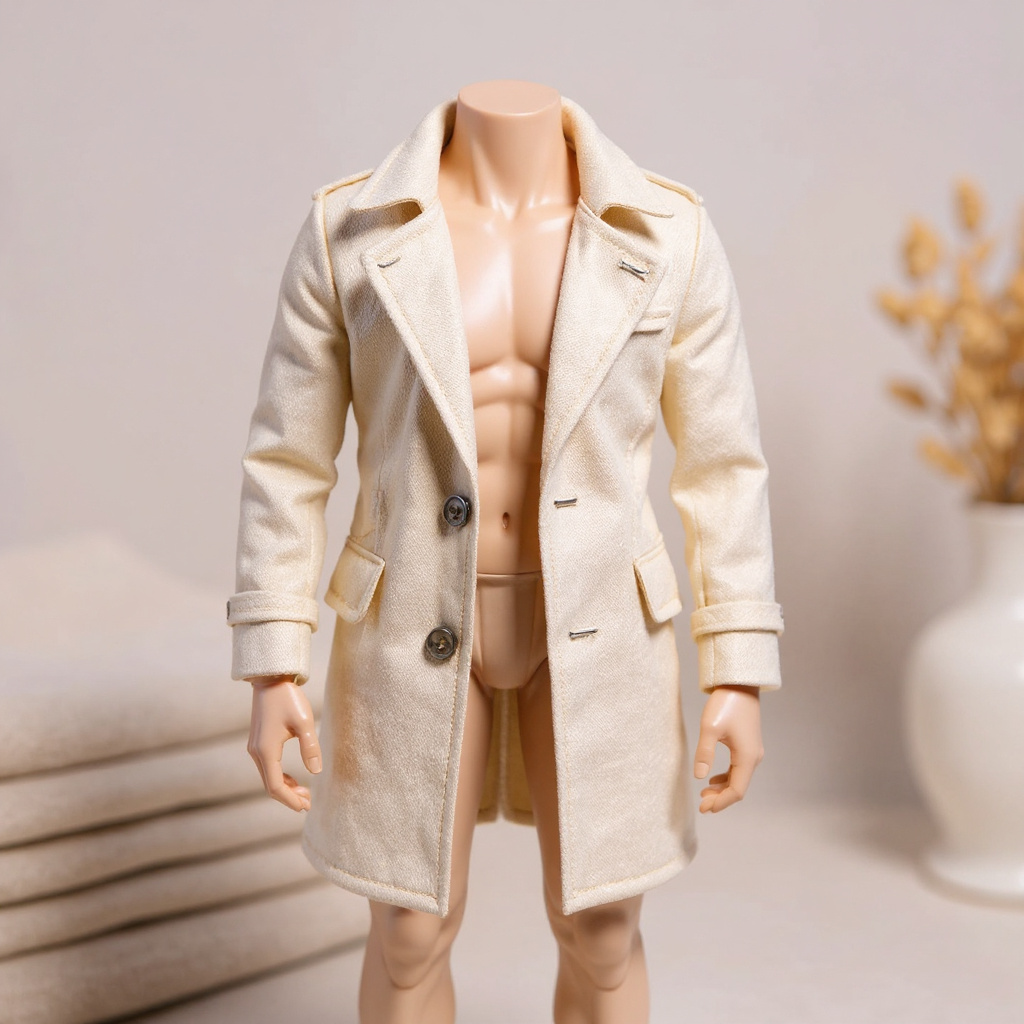
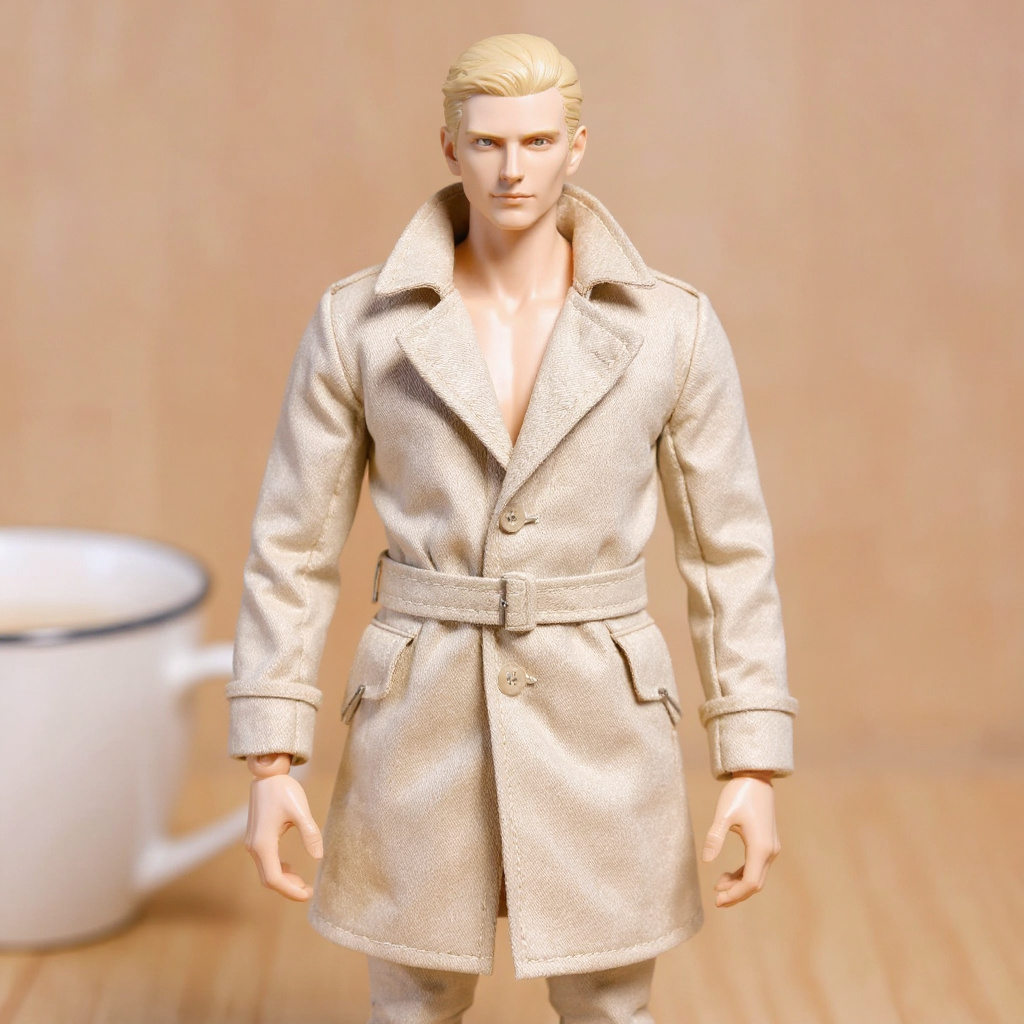
Soft goods solve the draping problem and introduce a few of their own. Real fabric moves when the figure moves, catches studio light in a way plastic never will, and makes a 6-inch figure look less like a toy in photos. My cream/tan trench jacket test piece, for example, held its sheen after eight months of shelf display and one accidental coffee spill.
The downside? Fabric collects dust fast. Seams split if you force a pose the fabric wasn't cut for. And sizing gets messy — there's no single, agreed "1/12 figure" body standard across manufacturers.
| Feature | Plastic Armor | Soft Goods | Wire-Poseable |
|---|---|---|---|
| Durability | Lasted 5+ years untouched in my case | Fair — seams wear after heavy handling | Good, if you don't over-bend it |
| Realistic drape | Poor | Excellent | Excellent |
| Detail retention | Excellent | Good | Good |
| Sizing flexibility | Good | Poor | Fair |
| Price range | $15–35 | $25–60 | $45–85 |
| Maintenance | None | Brush weekly, keep dry | Reshape every few months |
| Best for | Play/handling | Static photo displays | One signature pose |

Wire Framework: What 1/12 Figure Wardrobe Upgrade Parts Actually Do
Wire-poseable soft goods combine fabric realism with shape control. Thin wire runs through collar edges, cuffs, and sometimes the hem. That's it. That's the whole trick.
This setup lets you pose fabric — a collar turned up, sleeves pushed back, or a coat tail caught mid-stride. The wire holds these poses without a pin or glue in sight.
I've reshaped wire collar tips dozens of times without a single break — and then killed one in a single afternoon by bending the same spot four times in a row. Wire work-hardens. Bend the same crease repeatedly and it snaps, no warning shot first.
The City Hunter Ryo Saeba Jacket runs wire through the collar and cuffs, exactly where a detective coat needs poseable structure for that iconic snap-collar look.
Wire placement beats wire gauge, in my experience. Collar wires need to sit close to the fabric edge. Buried deep in a seam allowance, they can't influence the shape at all — you're just carrying dead weight.
Honestly, if you live somewhere humid, skip fabric soft goods entirely. Mold spots on cream fabric are nearly impossible to clean, and no amount of wire framework fixes that.
Sizing Reality Check for 1/12 Scale Clothing
"1/12 scale" covers a lot of ground. A 6-inch figure could have a compact, muscular build or a tall, lean frame, and shoulder width alone can swing 3–4mm between brands. That's enough to make a tailored jacket sit wrong on the wrong body.
Here's how different body types measure, based on manufacturer spec sheets and my own caliper checks:
1. Standard male bodies (S.H.Figuarts, Figma): 6.0–6.2 inches tall, 18–19mm shoulder width 2. Muscular builds (Marvel Legends, DC Multiverse): 6.1–6.3 inches, 20–22mm shoulders 3. Anime-style slim builds: 5.8–6.0 inches, 16–18mm shoulders 4. Military/tactical figures: 6.2–6.4 inches, 19–21mm shoulders 5. Custom or garage kit bodies: no fixed range — measure before you buy
Soft goods labeled "for 1/12 figures" usually target the middle of this range, around 6.1 inches with 19mm shoulders. That means sleeve length runs slightly long on compact figures. Or shoulders pull tight on the beefier builds. Either way, check your figure's spec sheet before you order any action figure accessories, not after.
Custom vs Mass-Produced 1/12 Figure Wardrobe Upgrade Parts: The $30 Question
Mass-produced soft goods from Hot Toys or third-party makers run $70–120 for a complete outfit. They're tailored on a production line, with reinforced stress points and near-identical quality piece to piece.
Handmade pieces like our City Hunter jacket cost $55 for a single garment. More per piece. But you're paying for a fabric choice someone picked by hand and a wire framework mass production skips half the time to save cost.
The trade-off shows. Hand-sewn pieces carry slight stitch irregularities, fabric grain that doesn't line up on both sleeves, and the occasional loose thread near the hem.
For display photography, this adds character. For a pristine, museum-style case, it might bother you. Your call.
Mass-produced pieces also ship with more accessories — belts, holsters, layered undershirts. Handmade custom soft goods usually focus on one hero piece done right, not a full kit.
Storage and Maintenance: A Step-by-Step Routine
Figures wearing fabric need different handling than all-plastic ones. Here's the routine that's kept my cream/tan trench jacket looking new after two years on an open shelf:
1. Pick a static pose for long-term display. Dynamic poses stress fabric and wire over months, not days. 2. Brush dust off weekly with a soft cosmetic brush or a burst of compressed air — never a damp cloth on unwashed fabric. 3. Keep displays out of direct sun or under UV-filtering glass. Cream and tan fabric fades to gray faster than darker colors. 4. Hold humidity below 50% in the display case. A cheap hygrometer from a hardware store works fine. 5. Reshape wire elements every few months. Wire relaxes over time; the factory pose is not permanent. 6. Use museum wax sparingly on the figure's feet, not the fabric, if you want to anchor a pose inside a glass case.
Skip step 5 and your collar tips will droop within a year. Ask me how I know.
Screen Accuracy vs Shelf Appeal
Some collectors chase exact screen accuracy — button count, fabric weight, stitch pattern, all of it. Others just want something that looks good under display lights, accuracy be damned.
For characters like Ryo Saeba, the trench coat's silhouette carries more weight than button count ever will.
But anime-accurate colors can go flat once they're real fabric under real light. That cream/tan combo that pops on a cel-shaded screen sometimes reads as "beige and forgettable" on a shelf.
Some handmade pieces compensate — a slightly richer tan, more visible fabric grain, a touch of weathering that adds texture without breaking character accuracy. It's a judgment call every maker handles differently.
This is where collecting turns into personal taste. Museum-accurate reproduction, or a piece that just looks great in your specific display case? Pick one. Or pick both and buy two jackets.
What I'd Skip vs What's Worth Buying
Skip soft goods if your figures live in a toy box, not a shelf. The maintenance isn't worth it for pieces that get handled daily.
Skip wire-poseable pieces if you never rearrange a display once it's set. You're paying $20–30 extra for posing flexibility you won't touch.
Buy soft goods for photography or diorama work. The realism jump is dramatic — night and day, honestly.
Buy wire-poseable for that one perfect pose. Collar turned up. Sleeve pushed back just right. Worth the premium if you'll actually use it.
Browse the soft goods collection if you're comparing full outfits against single hero pieces before committing budget.
For mid-tier budgets, one hero piece beats three mediocre accessories. The 1/12 figure community on One Sixth Warriors debates upgrade priorities constantly, and most veteran voices land on the same advice: one signature piece per figure, not a rushed complete look.
Honest Take on Wire Durability
Wire frameworks fail. Not on day one, but somewhere around 50–100 pose adjustments, especially at collar corners where the bend angle is sharpest.
When wire breaks, needle-nose pliers and patience usually fix it. The repair won't be invisible, though — expect a slight kink where the old break was.
Some collectors treat wire as a wear part, planning to replace or repair it after 2–3 years of active handling. Others pose once and never touch it again; for permanent displays, that wire can outlast the figure itself.
Wire gauge matters less than metal quality. Cheap aluminum fatigues fast — I've had aluminum collar wire crack after eleven bends. Steel or copper-core wire bends smooth and holds position through dozens more cycles.
Ask the seller what wire they use before buying. A vague answer about "internal wire" with no material named usually means aluminum, and aluminum means a shorter lifespan. Check the detailed wire care guide for reshaping technique before you attempt your first bend.
FAQs
What's the best rule of thumb for buying 1/12 figure wardrobe upgrade parts? Measure shoulder width and height first. Most soft goods target 6.1-inch figures with 19mm shoulders. 1/10 figures run larger, around 7 inches, and need separately sized clothing. Where can I find custom soft goods for action figures? Etsy, eBay, and forums like r/onesixthscale list active independent makers. Expect 2–4 week lead times for custom work. How do collectors store figures with fabric clothing? UV-filtered glass cases, humidity under 50%, and static poses. Dust weekly with a soft brush, not a damp cloth. Is it a mistake to buy soft goods without checking sizing first? Yes. Fabric either fits or it doesn't — there's no flex like with plastic accessories. Too small splits seams; too large looks baggy and kills the realism. Which 1/12 figures have the most flexible or swappable wardrobes? Figma and S.H.Figuarts bodies are the most standardized, so third-party clothing fits more often. Military figures with removable gear swap easily too. Anime figures with stylized proportions are the hardest to outfit. How do I build a mid-range figure wardrobe on a budget? Start with one signature piece per figure instead of a full outfit. Buy during sales and mix handmade hero pieces with mass-produced basics for the rest. Does dyeing or altering soft goods ruin the wire inside? Hand-dyeing is safe for the wire. Machine washing can shift or bunch it. Hemming is fine if you avoid cutting through the wire run; steam pressing beats dry heat for reshaping fabric without stressing the wire. Can I wash 1/12 scale clothing after it gets dusty or stained? Spot-clean with a barely damp cloth and mild soap. Full washing — machine or hand — risks warping wire elements and fading cream/tan dye. Air dry flat, never on a hanger. What tools do I need to reshape wire collar tips at home? Needle-nose pliers, good lighting, and patience. Bend in small increments, check the pose from multiple angles, and stop before the wire feels stiff to the touch.So Are 1/12 Figure Wardrobe Upgrade Parts Worth the Premium?
Soft goods change how figures read on a shelf or in a photo. They're not for every collector, and that's fine.
If you value realism over zero-maintenance durability, if you photograph your figures, or if you enjoy fine-tuning a display — handmade 1/12 figure wardrobe upgrade parts make sense for you.
If you want low-maintenance collecting, or you buy figures for nostalgia rather than display perfection, stick with what came in the box.
For collectors chasing that authentic City Hunter look without paying $120 for a licensed complete outfit, a piece like our handmade jacket lands in the middle — wire-poseable realism, screen-accurate cream/tan styling, at $55, hand-stitched character included.
Browse the City Hunter Ryo Saeba jacket to see how real fabric turns a bare 1/12 action figure into something that looks like it stepped off the screen.
