


A 1/12 scale doll clothing set autumn theme is a wardrobe piece sized for 6-inch action figures, built from pumpkin-orange and black fabric panels with visible stitching and thin wire sewn into the seams so sleeves, capes, and skirts hold their shape instead of going limp mid-shoot. That's the short version. Here's why the details matter more than you'd think.
Autumn brings out the gothic-fantasy side of every collector's shelf. That's why 1/12 scale doll clothing sets with autumn themes sell out fast right now, especially handmade pieces that let you build a dramatic seasonal display without buying a whole new figure body.
The trick isn't finding an autumn-colored outfit. Anyone can dye fabric orange. The trick is finding a 1/12 scale doll clothing set autumn theme that actually fits your specific figure AND holds its shape under studio lights. Most collectors learn this after buying a $45 mass-produced set that photographs fine on the listing page and then goes soft and shapeless the moment they try to pose it.
Why Fit Beats Theme in 1/12 Scale Doll Clothes
The 1:12 ratio works out to around 6 inches for a standard adult figure. Nobody tells you that "1/12 scale" isn't standardized across manufacturers, though. Not even close.
A Figma body measures about 140mm total height. Bandai's newer releases run 145-150mm. Third-party mecha-girl bodies from smaller studios swing 10-15mm in torso length alone, and that 5mm gap turns into a real problem the moment you try to button a handmade jacket over the wrong chassis.
Most action figure collectors own several brands without clocking the size drift between them. You'll find forum threads where someone bought a "universal 1/12" outfit that fit their Figma like a glove and hung off their Revoltech like a garbage bag.
| Brand | Average Height | Torso Width | Shoulder Span |
|---|---|---|---|
| Figma | 140mm | 18mm | 35mm |
| Revoltech | 138mm | 17mm | 33mm |
| Bandai Model Kit | 145mm | 19mm | 36mm |
| Third-party Mecha | 142-148mm | 17-20mm | 34-37mm |
| Zuru Minnee | 150mm | 20mm | 38mm |
Quick Sizing-Check Steps Before You Buy
1. Measure your figure's shoulder span with a soft tape, not a ruler laid flat. 2. Compare that number against the seller's listed range, not just the "1/12 scale" label. 3. Check torso length separately from total height, since these rarely scale together. 4. Ask the maker whether the piece was test-fit on a rigid body or a soft-jointed one. 5. When in doubt, size up on loose garments like capes and robes, never on fitted jackets.
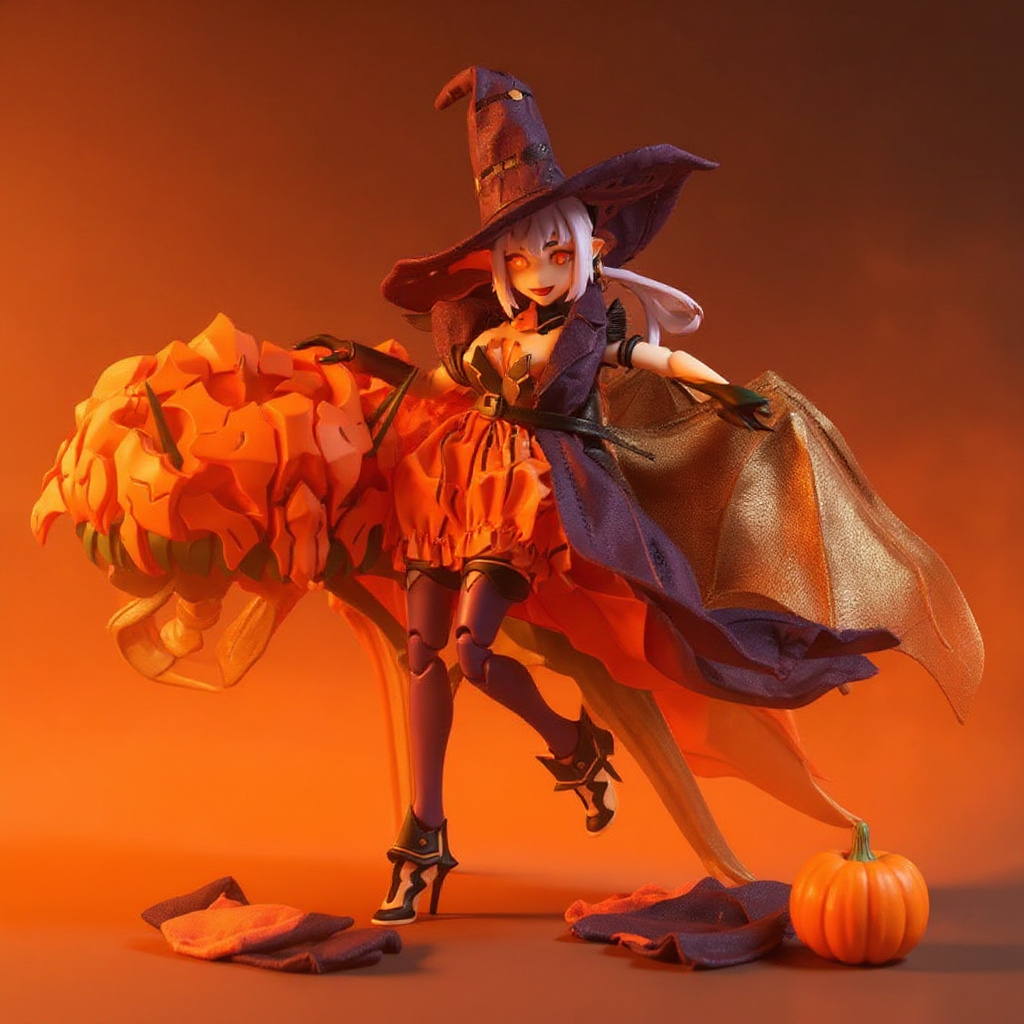
The Wire-Posing Revolution Nobody Talks About
Factory doll clothes use basic soft goods construction: fabric, thread, maybe a scrap of interfacing. They look fine on the hanger. They cannot hold a dramatic pose. Full stop.
Handmade 1/12 scale doll clothing sets with autumn themes change that equation by sewing thin-gauge wire directly into seams and hem edges. You bend the sleeve. It stays bent. Layered skirt panels hold their flare through an entire photo session instead of collapsing after shot three.
The downside: wire-enhanced pieces cost 40-60% more than standard fabric-only versions. Our 1/12 Scale Pumpkin Princess Mecha Girl Cloth Outfit runs $94 against typical factory sets at $30-60. You're paying for structural elements a sewing machine on an assembly line can't replicate.
Wire adds weight too. A standard fabric outfit weighs 8-12 grams. Wire-enhanced pieces run 15-20 grams, and on a figure with worn ankle joints, that extra load shows up as sag within a few weeks of display.
Honestly, if you keep your figures behind glass and never touch them after the first photo, skip the wire upgrade. You're paying for posability you'll never use.
Autumn Color Theory for Mecha-Girls
Seasonal themes aren't about dumping orange fabric on a dress and calling it done. Successful pieces layer color so they photograph well under both warm studio panels and cool daylight.
Pumpkin orange works as an accent, not the dominant color. Too much orange reads as costume rather than fashion. The working ratio: 30% orange, 40% deep brown or black, 30% neutral tones like cream or charcoal.
Texture variety carries more weight than color choice. Smooth satin against a rough burlap-style weave creates depth a camera picks up instantly. A single-texture outfit, even in perfect autumn colors, reads flat under studio light.
1. Base layer: Dark brown or black provides grounding 2. Accent panels: Pumpkin orange in small doses for seasonal pop 3. Trim details: Metallic bronze or copper threads catch light 4. Neutral balance: Cream or off-white keeps the palette from going muddy 5. Texture contrast: Mix smooth and textured fabrics within the same piece 6. Pattern restraint: No more than one patterned element per outfit 7. Hardware coordination: Buttons, snaps, and closures should match the metal trim
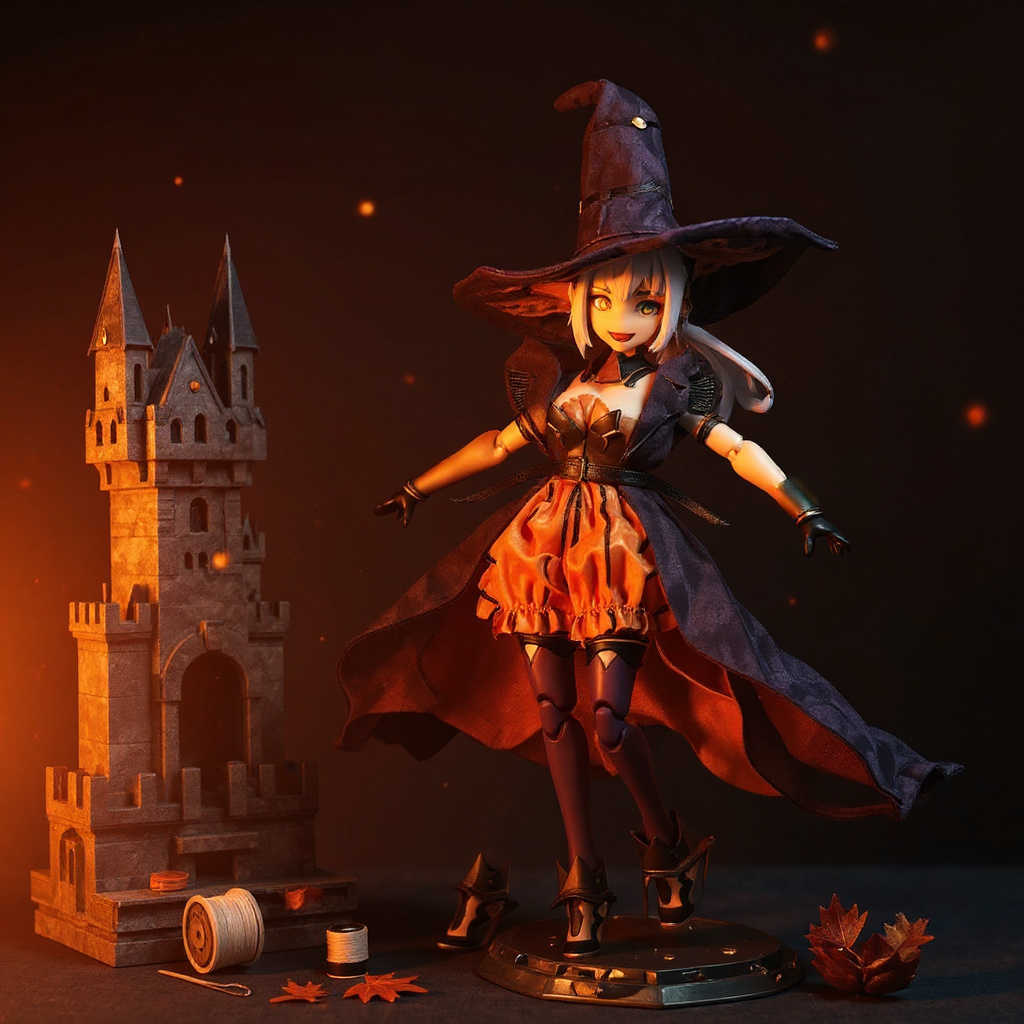
Handmade vs Mass-Produced: The Honest Cost Breakdown
Factory clothing gives you consistent results. Every piece looks the same, threads get trimmed by machine, construction follows a fixed pattern. Standardization kills personality, though.
Handmade pieces show their human origin. Stitching lines drift a little. A thread end peeks out here and there. Fabric tension isn't uniform. Some collectors love this. Others call it unprofessional. Both reactions are fair.
I've sewn and sold small-batch 1/12 scale outfits for four seasons now, and the pattern in cost holds steady across every batch I've priced out:
| Set Type | Average Price | Materials | Labor | Retail Markup |
|---|---|---|---|---|
| Factory set | $45 | $12 | $8 | $25 |
| Handmade fabric-only | $65 | $18 | $22 | $25 |
| Handmade wire-enhanced | $85-94 | $25 | $35 | $25 |
You're paying for individual attention at nearly triple the labor cost of a factory set. That's the trade, plainly stated.
Sizing Compatibility Across Popular Brands
Collectors on r/actionfigures ask about cross-brand fit constantly. The answer hinges on body proportions more than overall height.
Figma females run narrow-shouldered with longer torsos than most alternatives. Revoltech bodies sit shorter but broader through the chest. Bandai model kits vary depending on the specific kit and how it was assembled.
Tight-fitting pieces rarely cross brands well. Loose, flowing designs adapt better across different proportions, which is exactly why capes, robes, and layered skirts dominate the autumn doll clothing collection while fitted jackets remain a niche product.
Before buying, check the seller's compatibility notes. Reputable makers test pieces on more than one body type and list what works. If they don't publish that data, ask before you buy.
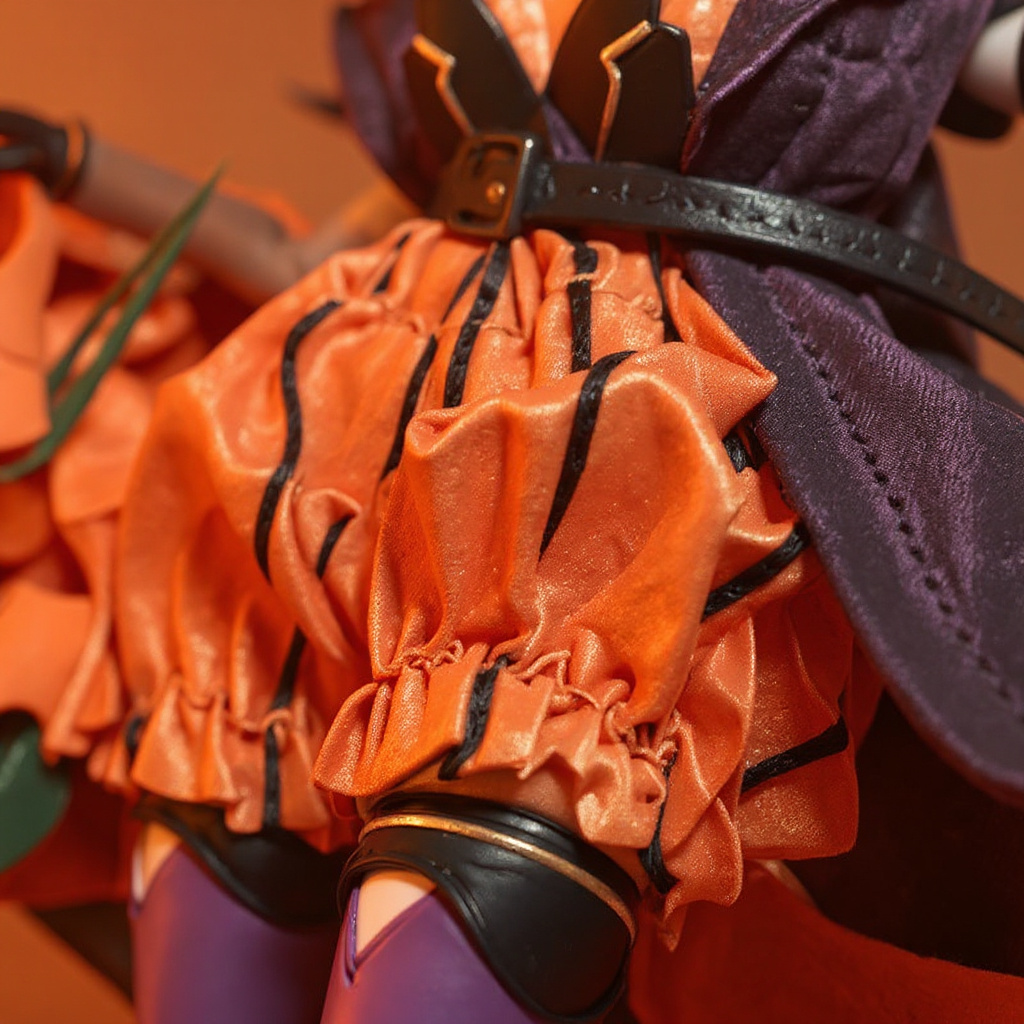
Photography Tips for Autumn 1/12 Scale Displays
Autumn figure photography wants different lighting than a spring or summer shoot. The darker palette needs more fill light to dodge muddy shadows, but flood it and you kill the moody atmosphere that made you buy the set in the first place.
Warm LED panels beat cool daylight bulbs here. The yellow cast pulls out orange and brown tones without making them look fake. Set your main light at 45 degrees to build soft shadows in the fabric folds, and check our mecha-girl photography guide for panel placement diagrams.
Background choice can make or break the shot. Busy autumn-leaf backdrops compete with detailed clothing for attention. Solid colors or subtle textures work better. Deep burgundy, forest green, or charcoal gray complement most autumn outfits without stealing the scene.
What Makes Wire-Enhanced Worth the Premium
Most clothing sets sit flat against the figure body. Wire-enhanced pieces create three-dimensional shapes that photograph with real depth. That's the gap between a snapshot and a portfolio piece.
Wire extends the outfit's lifespan, too. Fabric-only pieces stretch and sag after repeated posing sessions. Wire holds its structure through dozens of shoots, based on the sets I've tracked in my own collection over two years.
The learning curve is real. Bend the wire wrong and you get an awkward bulge or an angle that reads unnatural in every photo. It takes a handful of failed attempts before the shaping starts looking deliberate instead of accidental.
Collectors serious about photography find the investment worth it. Casual displayers might not notice enough difference to justify the extra cost. Both positions are valid, and neither one is wrong for your collection.
FAQ
What is a 1/12 scale doll clothing set autumn theme? It's a wardrobe piece built for 6-inch action figures using autumn colors like pumpkin orange, brown, and black, often with visible stitching and wire support sewn into the seams for posing. What dolls fit 1:12 scale clothing? Most 6-inch action figures work, including Figma, Revoltech, Bandai model kits, and third-party mecha-girl bodies. Shoulder width and torso length matter more than total height. What is the '3-3-3 rule' for doll clothes? There's no official 3-3-3 rule in doll collecting. The closest working guideline for autumn 1/12 sets is a 30-40-30 split: 30% orange accent, 40% dark base, 30% neutral tone. Where can I find cheap furniture for a 1:12 scale dollhouse? Re-ment blind boxes, Sylvanian Families accessories, and 3D-printed pieces from Etsy sellers run $5-20 per piece and fit the same 1:12 scale as most autumn clothing sets. What clothes work best for an autumn 1/12 scale wardrobe? Layered cardigans, scarves, ankle boots, and short jackets translate well at this scale. Summer-weight cottons and thin knits don't hold shape as well as wire-supported panels. Do Starbox Minnee dolls fit Rolife Super Dollhouse accessories? Both run close to 1:12 scale, but Minnee dolls are articulated action figures and Rolife pieces are built for static dollhouse display. Fit varies piece by piece, so measure first. How articulated are Zuru Minnee dolls? Zuru Minnee dolls articulate at the shoulders, hips, and neck. That's less range than a dedicated action figure body but more than a traditional fashion doll. How much does clothing add to a Minnee doll's weight? A standard Minnee doll weighs 45-50 grams bare. Fabric-only clothing adds 8-12 grams, and wire-enhanced pieces add 15-20 grams. Is handmade clothing worth it for casual collectors? For casual display, probably not. Wire enhancement and hand-finished stitching pay off most for collectors who photograph their figures regularly, not the ones who leave them on a shelf. Why do handmade autumn outfits cost more than factory sets? Labor is the difference. Handmade sets run roughly $35 in labor per piece against $8 for factory production, based on the cost breakdown table above.Is Handmade Actually Better for Your Collection?
Depends what you value: consistency or character. Factory pieces deliver the same result every order, colors match, resale value holds steady because buyers know exactly what they're getting.
Handmade pieces trade that predictability for uniqueness. Each one varies a little. Some collectors love it. Others find it frustrating. Quality control lives with the individual maker, not a corporate spec sheet.
For photographers and collectors chasing a shelf that tells a different story with every figure, handmade wire-enhanced pieces do things mass production can't touch. The 1/12 Scale Pumpkin Princess Mecha Girl Cloth Outfit is built around that idea: higher cost, but structural features that make dramatic posing and warm-toned studio photography possible in ways a $30 factory set simply isn't.
If you're building a collection where every figure has its own story instead of a matching uniform look, browse our wire-enhanced outfit collection and see what hand-built craftwork adds to your display.

