


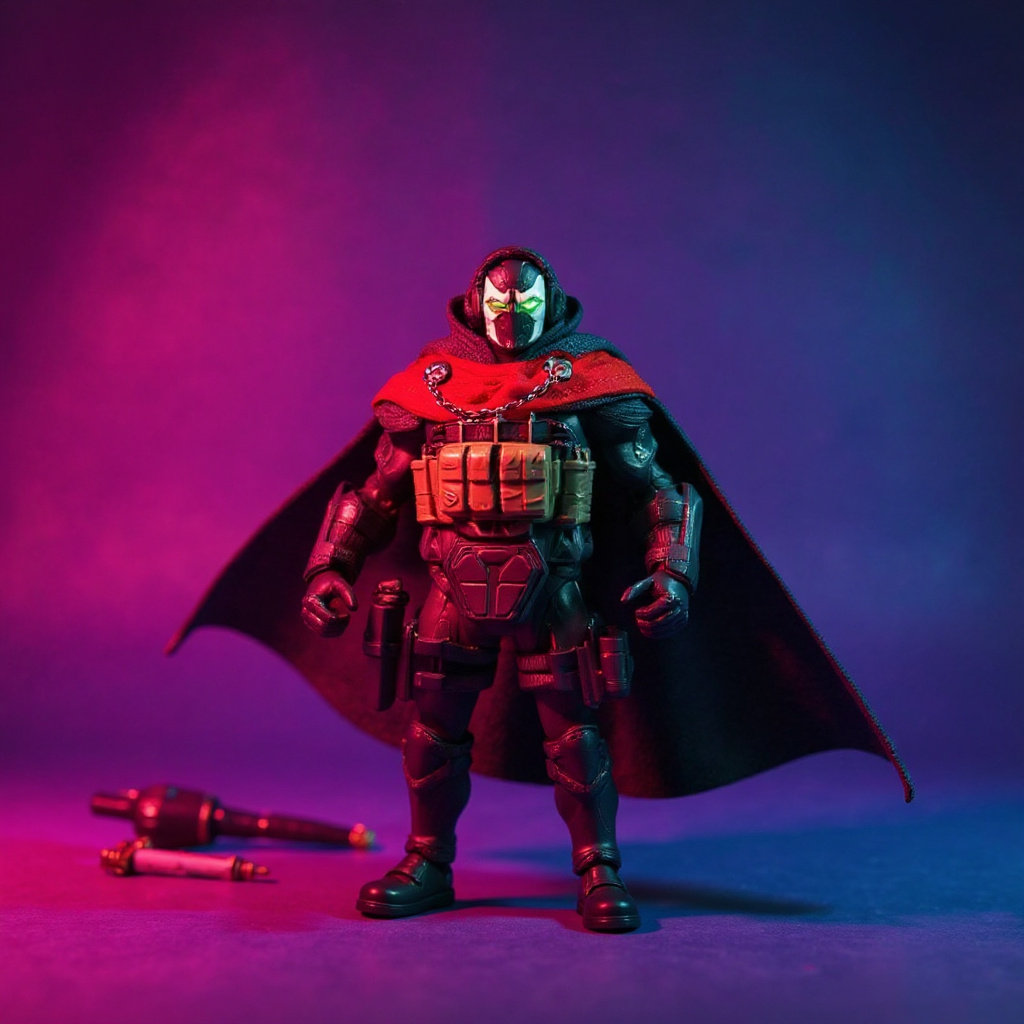
A posable cape action figure figure upgrade swaps a stiff plastic cape for fabric with 20–22 gauge wire sewn between two layers, so the cape holds whatever shape you bend it into. For 6–7 inch (1:12 scale) figures, a dark, matte tactical cape and cloak set costs $55.62 in the version reviewed here, while basic unwired fabric capes run $12–25. The wire sets the big shapes: the sweep, the billow, the updraft. The fabric supplies the folds.
Key specs at a glance- Wire: 20–22 gauge (about 0.81–0.64 mm) craft wire along the edge, plus one or two interior lines - Scale: 1:12, fits 6–7 inch figures - Look: dark-toned, matte military-style fabric with visible folds, worn over the shoulders and back - Price bands: $12–25 basic fabric, $30–65 custom wired, $55.62 for the reviewed cape and cloak set - Best for: photography, dioramas, and anyone who changes poses often
How I Tested These Capes
I'm the Figure Vault staff reviewer who handled this set, and the limits come first: this was a small bench test. I draped the dark tactical cape and cloak over a 6-inch and a 7-inch figure. I shot each pose against a grey seamless sheet and a foam-board ruin diorama, with one soft lamp and one raking light at about 45 degrees.
Then I tried to break the wire. I reset one corner fold 30 times. The cape held its shape every time, but around the 20th reset the bend felt stiffer under my fingers. That is work hardening starting. Not a failure. A warning.
The Wire Frame Structure That Makes It Work
The wire frame is what separates a posable fabric cape from a piece of cloth. Most makers use 20–22 gauge craft wire, which is 0.81 mm and 0.64 mm thick under the American wire gauge standard. That is thin enough to bend with your fingers and thick enough to stay put.
The wire usually runs along three paths: the outer edge, one or two interior support lines, and sometimes the collar. Good makers sew it between two fabric layers instead of leaving it exposed. That keeps the tip from poking through after the tenth repose.
Metal choice matters more than most buyers expect. Aluminum bends with light finger pressure and stays where you leave it. Steel springs back a little. Ask the seller which one is inside, because it changes both the feel and the rust risk.
Stock plastic capes fight you. They want to return to their molded shape. A properly constructed wire-frame cape does the opposite and stays where you put it.
Fabric Choice Makes or Breaks the Effect
Fabric weight decides whether a cape drapes or sits like a board at 1:12. Light, tight-weave cloth folds into small creases. Heavy cloth forms one big, blunt fold. The table below uses approximate retail figures, so check current listings.
| Fabric | Typical weight (gsm) | Drape at 6–7 in | Fray risk | Durability | Approx. price per yard |
|---|---|---|---|---|---|
| Microfiber | 70–100 | Excellent | Low | Good | $4–8 |
| Silk (habotai) | 35–60 | Outstanding | High | Fair | $15–30 |
| Tight-weave cotton blend | 60–90 | Good | Medium | Excellent | $5–10 |
| Polyester satin | 60–90 | Very good | High unless heat-sealed | Good | $4–8 |
| Matte tactical-style poly-cotton or ripstop | 70–110 | Good | Low | Very good | $8–15 |
| Faux leather | 250+ | Poor | None | Excellent | $8–20 |
The cotton question deserves a straight answer. Heavy cotton, denim, and canvas fail at this scale. A thin, tight-weave cotton blend works fine, which is why it scores Good in the table.
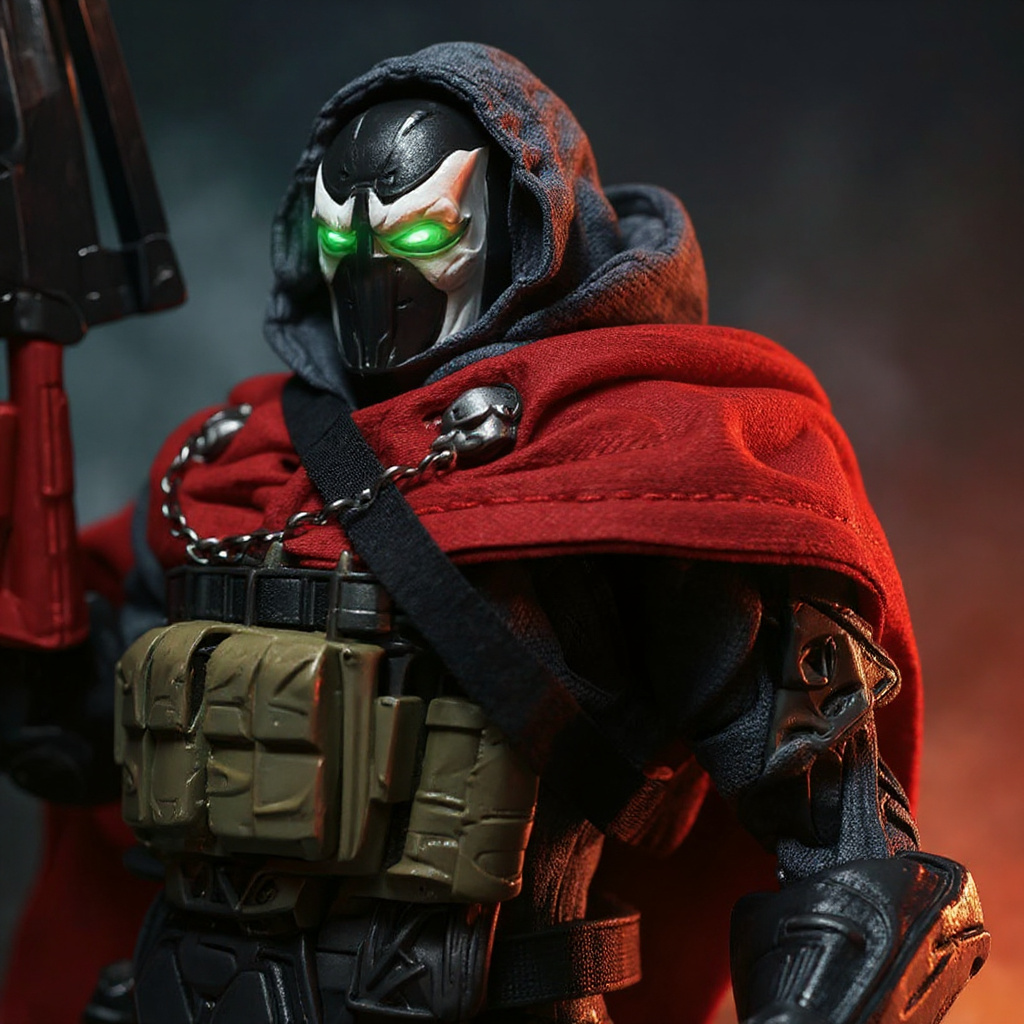
The tactical-style fabric in the reviewed set earns its place for a different reason. Its matte surface soaks up light instead of reflecting it, so the cape looks like worn field gear and not shiny costume satin. The trade-off is that dark, matte cloth hides its own folds under flat lighting. More on that in the photography section.
Why a Posable Cape Action Figure Figure Setup Beats Plastic
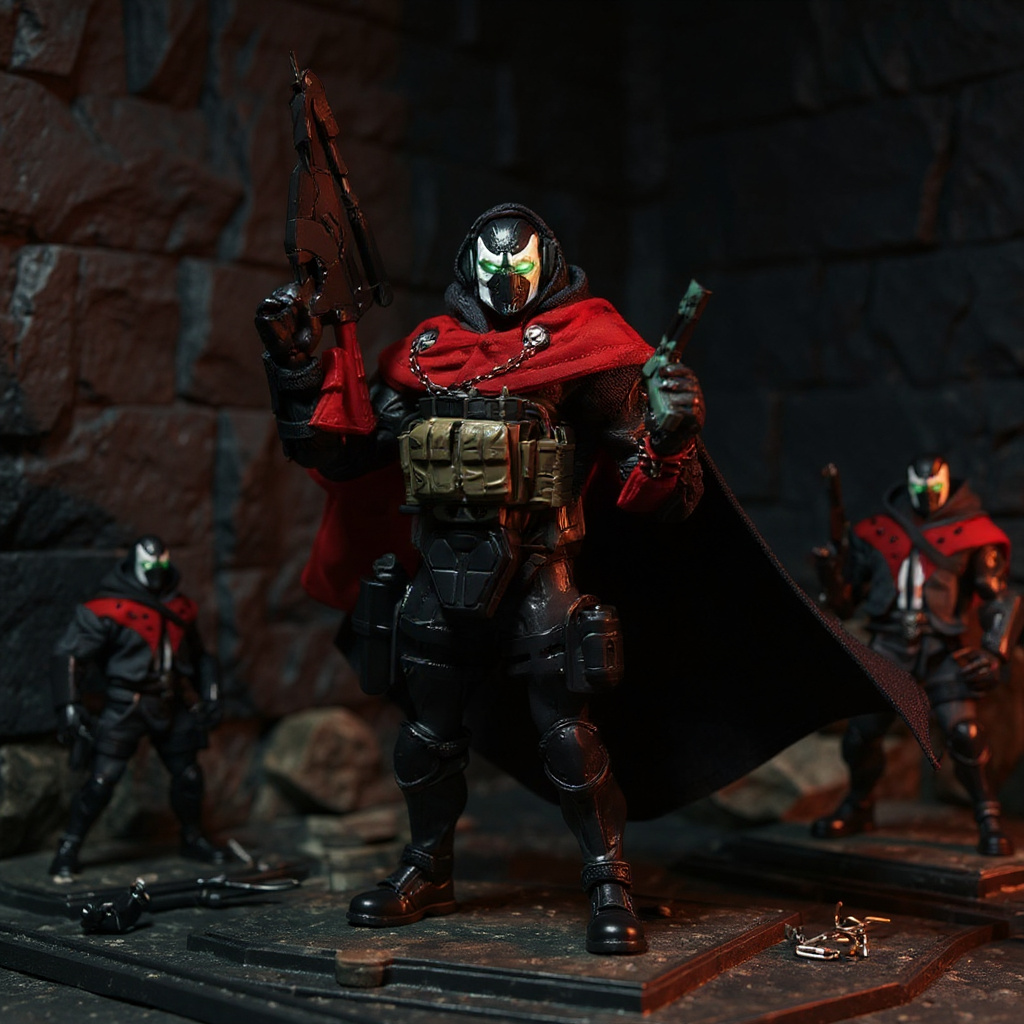
A plastic cape on a jumping figure looks like the figure is carrying a rigid sheet. A wired fabric cape can look like it is reacting to the motion. Both have a place, and this table shows where.
| Cape type | Cost | Poseability | Durability | Photo realism |
|---|---|---|---|---|
| Stock plastic (included with figure) | $0 extra | None, fixed mold | Survives drops and rough handling | Low |
| Basic fabric, no wire | $12–25 | Low, hangs straight | Good | Medium |
| DIY wired fabric | $8–15 in materials plus 2.5–3 hours | High | Depends on your stitching | Medium to high |
| Custom wired set (cape and cloak) | $30–65; reviewed set is $55.62 | High | Wire stiffens after repeated sharp bends | High |
Plastic wins on toughness. If pets or kids can reach your shelf, keep the plastic cape. Fabric can tear, stain, and lose its wire shape.
For photography, though, there is no contest. You cannot fake fabric drape with molded plastic.
Posing Techniques That Actually Work
Most people bend the cape into position and then wonder why it looks stiff. Real cloth does not hold a perfect curve. You have to work with the material.
1. Start at the collar attachment point and work outward. 2. Create one primary fold or billow first. 3. Add secondary folds that echo the main one. 4. Use the wire to lock the major shapes, not the fine details. 5. Let gravity do some of the work. 6. Adjust the figure's pose so the cape has a reason to move. 7. Make final tweaks with tweezers or a small tool.
The wire gives you the S-curve, the asymmetrical sweep, and the caught-in-an-updraft look. Do not try to control every inch. The best poses mix deliberate wire work with natural fabric behavior.
Photographing a Dark, Matte Cape
Black and charcoal fabric is hard to photograph. Under flat front light, every fold disappears into one dark shape, and the cape reads as a blob.
Two fixes worked for me. First, place a single light at about 45 degrees to the side so each fold casts a small shadow. Second, use a mid-grey or warm neutral backdrop, or a diorama wall with texture, so the cape's silhouette separates from the background. A pure black backdrop makes the cape vanish.
Which Figures Benefit Most
Cape length and fabric area decide the payoff, not the franchise.
- High priority: long capes and cloaks that cover the back, such as Batman-style or Doctor Doom-style designs. A big plastic sheet looks worst here. - Medium priority: mid-length capes on characters like Magneto or Storm. - Low priority: short capes, background display figures, and kids' play figures.
Most Marvel Legends figures sit in the 6-inch class, and most 1/12 scale lines, including Mezco's One:12, run up to about 7 inches. Collector threads on r/ActionFigures show real cape mods, so search for wired cape there instead of taking my word for it.
Make Your Own Versus Buying
A first DIY build takes about 2.5–3 hours. Wire costs $3–6 per spool, and a quarter-yard of fabric costs $3–10 at typical craft-store prices.
1. Draft a paper pattern (15 min). For a 6-inch figure, try 5–6 inches wide at the hem and 4–5 inches from collar to hem. 2. Cut two fabric panels (10 min), adding a quarter-inch seam allowance. 3. Shape the wire (20 min). Cut the perimeter length plus 2 inches, then bend the ends into small hooks so no sharp tip is left. 4. Sandwich and pin (15 min). Place the wire between the panels, about an eighth of an inch inside the edge. 5. Sew a running stitch (45–60 min) around the wire channel, using a zipper foot if you work by machine. 6. Turn, hem, and seal (30 min). A dab of fray stopper on the raw edges helps. 7. Add a collar tie or snap (20 min). 8. Test and trim (15 min). Pose it, then fix whatever pulls wrong.
Here is the math most guides skip. At $20 an hour, three hours plus $10 in materials is $70, which is more than the $55.62 set. The second cape takes about an hour, though, and the DIY route teaches you what you want. Complex layering, a separate cloak, and clean finishing still take more skill than most collectors have.
Maintenance and Long-Term Durability
Wire is a consumable. It hardens and breaks where you bend it again and again. I won't give you a month count, because the number depends on bend radius and repetition, not the calendar.
To extend the life:
- Use broad curves instead of sharp creases. - Reposition once a week, not every day. - Store figures with the cape in a relaxed, neutral shape. - Keep the cape away from heat sources and direct sun.
Here is the part most articles will not say: if you live in a humid or coastal area, ask whether the wire is steel before you buy. Steel can rust inside the fabric, and you will not see it until a stain appears. And if your figures live in a sealed case in one fixed pose, skip wired capes entirely. Keep the plastic one.
For cleaning, hand-wash gently if the cape gets dusty. Do not wring or twist it around the wire. Pat it dry and reshape it while damp.
About the Reviewed Set
The Tactical Replacement Cape Set for 7 Inch Action Figures is a dark, matte tactical cape and cloak made for 6–7 inch figures. It drapes over the shoulders and back, and the wire holds visible folds and a subtle dynamic shape. It costs $55.62.
Three honest limits: it is clothing only, with no figure included. It is handmade, so you may find a loose thread or a minor imperfection. And at $55.62 it sits at the top of the custom range, so it is not an impulse buy. Check the refund policy or the contact page before ordering. Other action figure accessories are listed in the main catalog.
Is a Custom Wired Cape Worth It?
It depends on how you use your figures. A display-only collector who poses once and walks away will not see enough benefit. Plastic does the job.
If you photograph figures, build dioramas, or change poses often, a good wired cape earns its cost. The cape becomes an active part of the composition instead of something you work around.
Frequently Asked Questions
How do you make a posable cape for an action figure?
Cut two matching fabric panels, lay 20–22 gauge craft wire along the edge and one interior line, then sew the layers together around the wire with a running stitch. Turn and hem the edges, then add a collar tie or snap. Expect about three hours on a first attempt and under $15 in materials.
What wire gauge works best for an action figure cape?
20–22 gauge (about 0.81–0.64 mm) holds shape on a 6–7 inch figure without kinking the fabric. Drop to 24–26 gauge for small trim lines. Aluminum bends with light finger pressure and stays put; steel springs back more. Thicker than 18 gauge fights the fabric and stresses stitching.
What is the best fabric for 1:12 scale capes?
Microfiber and tight-weave lightweight cotton blends in the 60–100 gsm range drape best at 6–7 inches. Matte poly-cotton or ripstop-style fabric gives the military look and resists fraying. Avoid denim, canvas, and faux leather, which are too thick to fold into small, believable creases.
How long does a wired cape last?
Wire life depends on bend radius and repetition, not the calendar. Repeated sharp bends at one spot cause work hardening and a break in time. Broad curves and reposing once a week instead of every day extend its life. A cape left in one pose can last for years. Re-threading new wire is possible for anyone who can sew.
Does a Marvel Legends figure fit a 1:12 cape?
Yes. Marvel Legends figures are 6-inch scale, and Mezco One:12 figures run about 6.5–7 inches, both close to 1:12. Fit depends more on neck width and shoulder breadth than height, so check the collar opening and tie length before buying.
Do wired capes damage action figure paint or plastic?
A wire edge can rub paint on a chest or shoulder if the cape is dragged while posed. Fabric covers the wire, so contact is soft, but friction still polishes matte paint at high-contact points. Lift the cape off the figure before repositioning, and keep the collar tie loose.
Does the Tactical Replacement Cape Set include a figure?
No. It is clothing only: a dark tactical cape and cloak made for 6–7 inch action figures. It is handmade, so expect small differences such as a loose thread. The price is $55.62 at the time of writing. Check the product page for current stock and the refund policy before ordering.
Are wired capes worth it for a figure that stays in a case?
Not always. If a figure sits in a sealed case in one pose, a plastic cape does the job and costs nothing. Wired capes pay off when you photograph figures, build dioramas, or change poses often. Choose by how often you repose, not by how good the cape looks in photos.
What to Buy
If you photograph your figures, start with one good wired cape on your most-shot figure and judge the difference before buying more. If you are a casual collector, build a basic DIY version first. Many people find they prefer plastic for everyday display, and that is a fine answer.
For a dark, matte look with a cape and cloak pair, the tactical cape collection is one place to compare specs. For general background on the hobby, see the overview of the action figure.

