


Where to buy a 1/12 tactical bag for figures is actually the wrong first question. The right question: plastic or cloth? Most 1/12 tactical bags sold as generic accessories are rigid ABS chunks that look fine in package photos and stiff on a shelf. If you want to know where to buy a 1/12 tactical bag for figures that poses, holds a strap bend, and photographs like real gear, you need handmade cloth with a wire core. Specialty figure accessory shops and small sellers who build wire-poseable soft goods are where to buy a 1/12 tactical bag for figures right now. Expect to pay $20 to $45 for the good stuff.
Handmade Cloth vs. Mass-Produced Plastic: What You're Actually Buying
The tactical bag market splits into two camps. Mass-produced plastic bags from companies like Storm Collectibles or Hot Toys run $15-40. They're rigid. They photograph fine in package shots and look dead on a shelf.
Handmade cloth bags cost about the same but give you something plastic never will: wire cores that let you bend straps, adjust buckles, and shape natural fabric drape around a figure's arm or shoulder. The trade-off? Loose threads. Slight asymmetry. Construction that varies piece to piece because a person, not a mold, made it.
Handmade isn't always the better choice, and I won't pretend otherwise. If you want identical units and plan to freeze the bag in one pose forever, plastic wins. But if you photograph figures or swap poses more than once a season, wire-poseable soft goods turn a static accessory into something that moves with the scene.
| Feature | Plastic Bags | Handmade Cloth |
|---|---|---|
| Price Range | $15-40 | $20-45 |
| Poseability | Fixed shape | Wire-adjustable straps |
| Durability | Won't fray | Threads may loosen over months of handling |
| Realism | Molded texture | Actual woven fabric weave |
| Consistency | Identical pieces | Handmade variation, piece to piece |
| Typical Height | 1.5-2.5 inches | 1-2 inches |
| Wire Gauge Used | None | 22-26 gauge floral or armature wire |
The difference shows most in photography. Plastic bags photograph like plastic bags. Cloth bags with proper wire armatures photograph like scaled-down real gear, and that gap only widens the longer you shoot a figure in different poses.
Where to Buy a 1/12 Tactical Bag for Figures: 5 Real Sources
Skip Amazon and eBay for anything beyond a placeholder. Most of what's listed there is leftover inventory from discontinued toy lines or knockoffs sized wrong for modern 6-inch bodies.
A thread on the ActionFigures subreddit with over 300 upvotes ranked small independent makers above every retail option collectors mentioned, and the top five sources broke down like this:
1. Small accessory makers on Instagram — Search #112scale or #actionfigureaccessories. Most take custom orders and post actual construction photos, not stock renders. 2. Figure convention vendors — Tables at general figure and anime conventions carry handmade gear you won't find online. You pay convention markup, roughly 15-20% over online listings, but you can inspect stitching before buying. 3. Specialized figure accessory sites — These focus on cloth soft goods instead of mass-market plastic and usually photograph the product on multiple figure bodies. 4. Custom commission makers — Expensive, $40-80 per piece. You get exactly what you want, eventually. Wait times run 2-6 weeks. 5. Military modeling forums — Some scale model builders sell figure accessories as side projects, and pricing tends to run lower since it's not their main business.
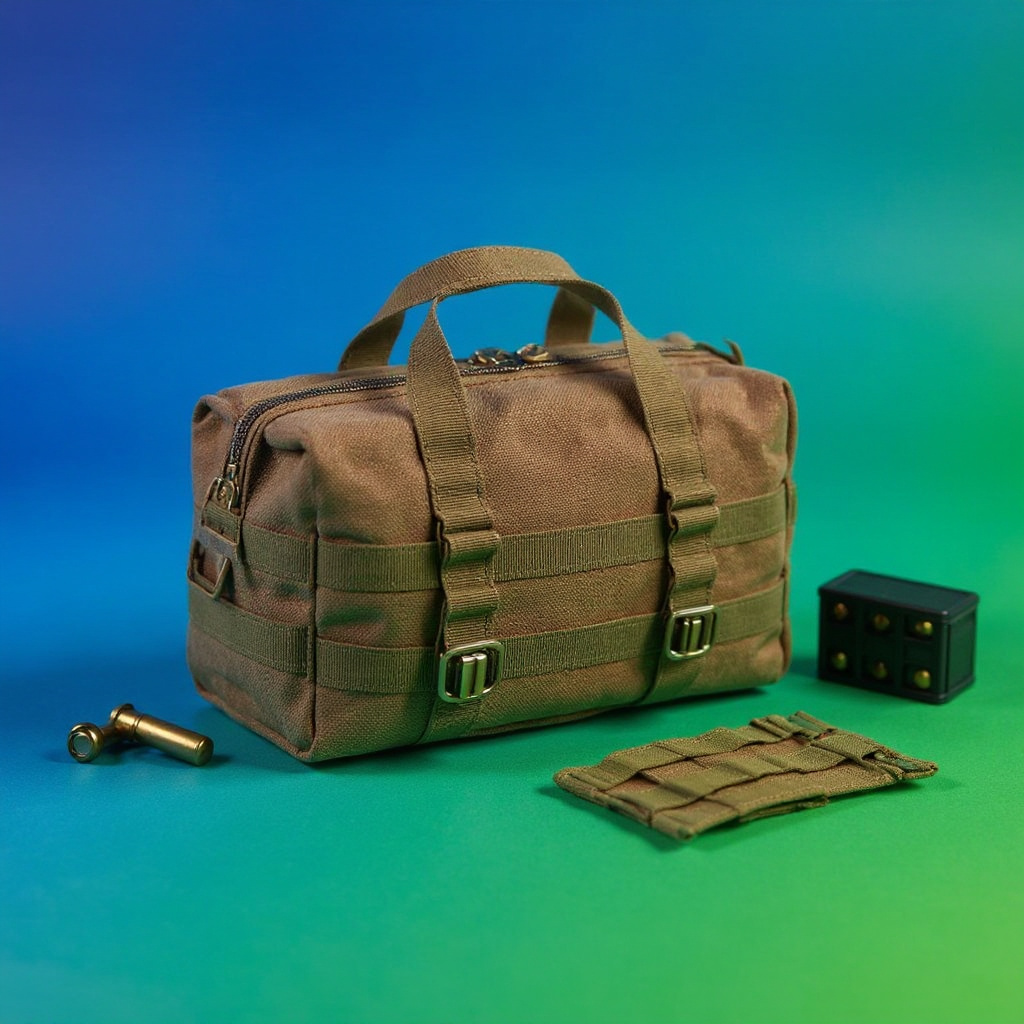
The 1/12 Scale Tactical Bag & Cloth Soft Goods Accessory Set sits in that sweet spot: handmade quality at $22.50, no custom commission premium, no six-week wait.
Red Flags That Signal Overpriced Junk
I've wasted money on enough bad tactical accessories to spot problems before checkout.
- Wrong scale proportions. Sellers grab stock photos from different figure lines and hope you won't notice. A bag sized for a 7-inch Marvel Legends figure looks off on a 6-inch Street Fighter body. - "Authentic military" claims. Real tactical gear doesn't scale down cleanly. Companies that push real-world accuracy often deliver oversized, chunky pieces that photograph poorly. - Perfect, identical stitching in "handmade" listings. That's machine work trying to pass as artisan craft. Real handmade pieces show variation in stitch tension and thread direction, piece to piece. - Stock photos only, no in-hand shots. If a seller won't photograph the actual product on an actual figure, something's off. Usually poor fit. Sometimes cheap material. - Prices under $12 for "premium" tactical gear. Fabric, hardware, and hand assembly cost money. Rock-bottom prices mean corners got cut somewhere you'll notice in month two.
Honestly, if you live somewhere humid and store figures in an open display case, skip cloth accessories entirely. Moisture warps wire cores faster than most sellers admit, and you'll spend more time fixing bent armature than posing figures.
The Wire Core Difference (And Why It Matters)
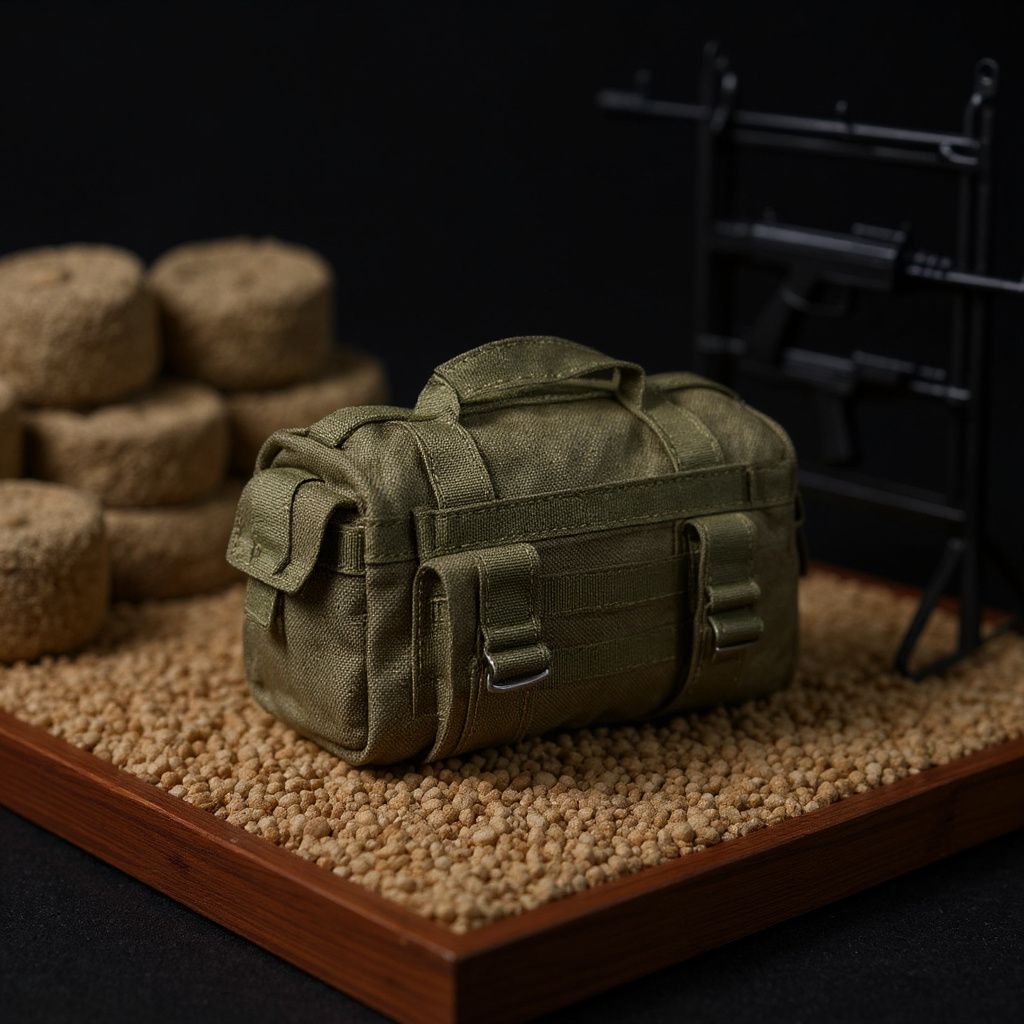
Wire-poseable accessories separate amateur work from professional-grade figure gear. Without an internal armature, cloth bags hang limp. No shape. No pose. With a proper wire core, you get:
1. Shoulder straps that bend to follow a figure's arm position instead of hanging straight down. 2. Buckle positions you can adjust for different carry styles across multiple poses. 3. Natural fabric bunching and drape that forms where the wire creates tension points. 4. Pouches and attachment points you can angle to match a specific action pose.
The wire itself matters as much as the fabric around it. Cheap craft wire kinks and snaps after four or five pose adjustments. Quality armature wire in the 22-24 gauge range holds a shape through dozens of repositions without fatigue.
Not every handmade bag includes a wire core. Plenty of sellers skip that step to cut labor time. Ask before you buy.
Scale Compatibility: What Actually Fits 6-Inch Figures
1/12 scale sounds exact, but proportions vary between manufacturers more than most buyers expect. A bag built for Storm Collectibles' bulky Street Fighter figures can swallow a slimmer Mezco body whole.
Most collectors work with these common 6-inch lines:
- Mezco One:12 Collective — Athletic build, narrow shoulders. - Storm Collectibles Street Fighter — Broader, muscular proportions. - Marvel Legends — Build varies by character, medium overall. - DC Multiverse McFarlane — Taller and leaner than true 1/12.
Check seller photos showing the bag on your specific figure line before buying. Generic "fits all 1/12" claims mean it fits some bodies better than others, and you're the one who finds out which.
Maintenance Reality: Keeping Handmade Gear Looking Good
Cloth accessories need more attention than plastic. Here's what works, based on trial and a fair amount of error:
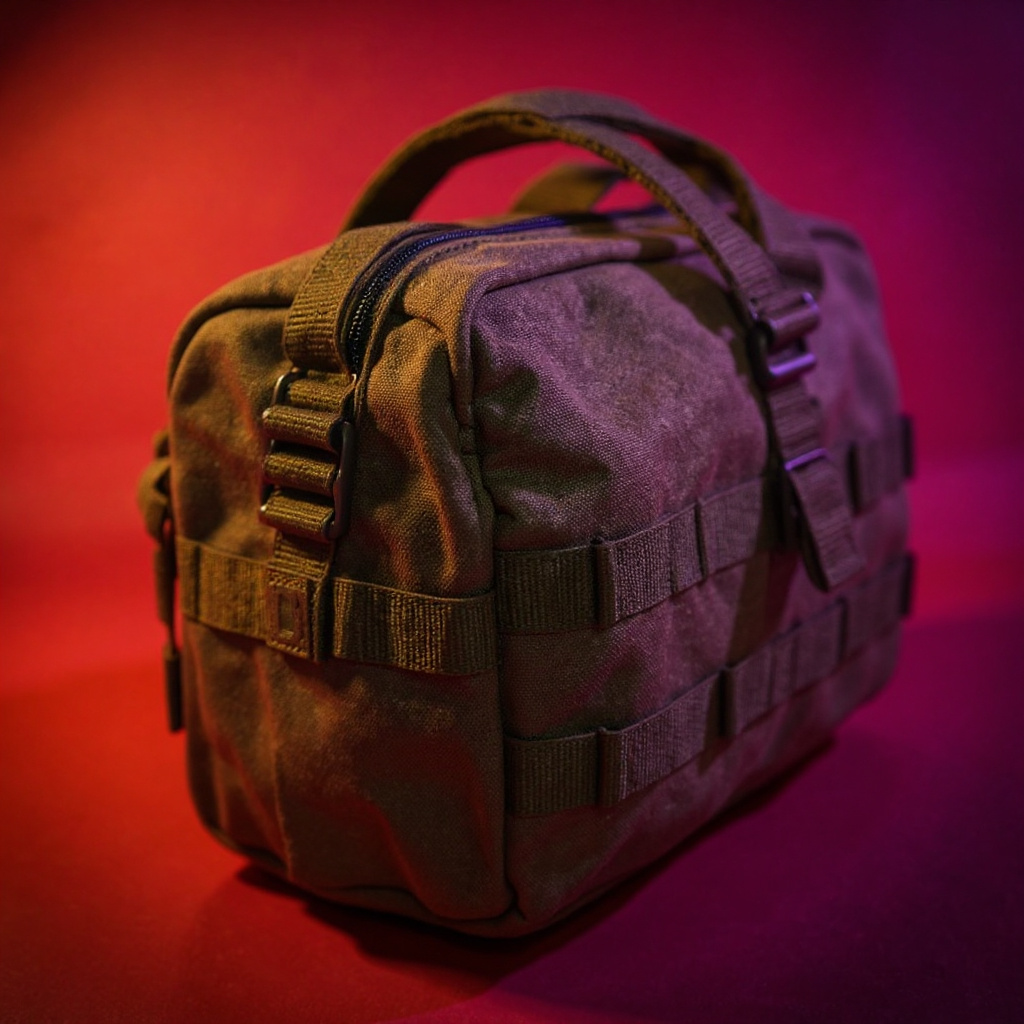
Thread management: Trim loose threads with sharp fabric scissors, not nail clippers. Cut close to the fabric but don't pull; pulling makes the fray spread. Wire maintenance: If armature wire pokes through fabric, push it back in with a blunt tool, a pencil tip works well. Don't trim wire that's already sewn into a seam. Cleaning: Spot clean with a damp cotton swab. Full washing destroys wire armatures and shrinks fabric in ways you can't predict or reverse. Storage: Hang bags by their straps when you can. Folding creases fabric for good and stresses wire right at the bend point.Handmade gear ages in its own way. Some collectors like the weathered look that develops after a year of handling. Others want pristine condition and touch pieces as little as possible.
What I'd Actually Buy (And What I'd Skip)
After years buying tactical accessories for 6-inch figures, I've gotten pickier about where the money goes.
Buy: Wire-poseable cloth bags from makers with a track record and real in-hand photos. The handmade tactical bag and soft goods set lands at $22.50 with actual armature wire and construction that holds up past the first pose change. Skip: Perfect-looking "handmade" bags under $15. Real hand assembly costs more than that, period. Skip sellers with zero in-hand photos or ones who dodge questions about materials. Maybe: Mass-produced plastic, if you never change poses and want maximum durability. Some collectors want the consistency even though it limits photography.The sweet spot sits around $20-30 for handmade cloth gear that includes a wire core. Below that range, you're buying mass production with a handmade label slapped on. Above $40, you're paying for custom work or brand premium that doesn't change the object in your hand.
Finding the right gear comes down to matching your display habits with a realistic read on handmade quality. If wire-poseable, photo-ready construction matters more to you than perfect uniformity, that's the direction to go.

