


Action figure warhorse cloth armor is a fabric cape, called barding, cut to fit a 1/12 scale horse that carries a 6-inch knight. The Replacement Horse Cape Barding for 6 Inch Action Figure costs $45 and ships as cloth only, with no horse included. It has hand-stitched seams and wire-framed edges that hold folds in place. Comparable handmade pieces run about $45-70. Craft wire in the 22-24 gauge range is common for this job. Plastic armor costs less, but cloth drapes and photographs more like real medieval horse coverings.
What Is Action Figure Warhorse Cloth Armor?
Think of a medieval horse covering, shrunk to 1/12. Real barding covers everything from fabric caparisons to steel plate. The cloth version is the part you see in heraldic art, hanging from the horse's back and flowing past the barrel.
The product we sell is built around that look. Here is what the listing describes:
| Spec | Detail |
|---|---|
| Item | Cloth cape/barding for a 1/12 scale horse |
| Fits | Horses sized for 6-inch action figures |
| Fabric | Textured cloth in muted earth or deep jewel tones |
| Construction | Hand-stitched seams, simple trim |
| Edges | Wire-framed, so folds can be shaped and held |
| Included | Cloth only, no horse figure |
| Price | $45 |
We haven't published a weight or a lab-measured dimension sheet. Check the product page for current measurements before you order, and measure your own horse first (see the sizing section below).
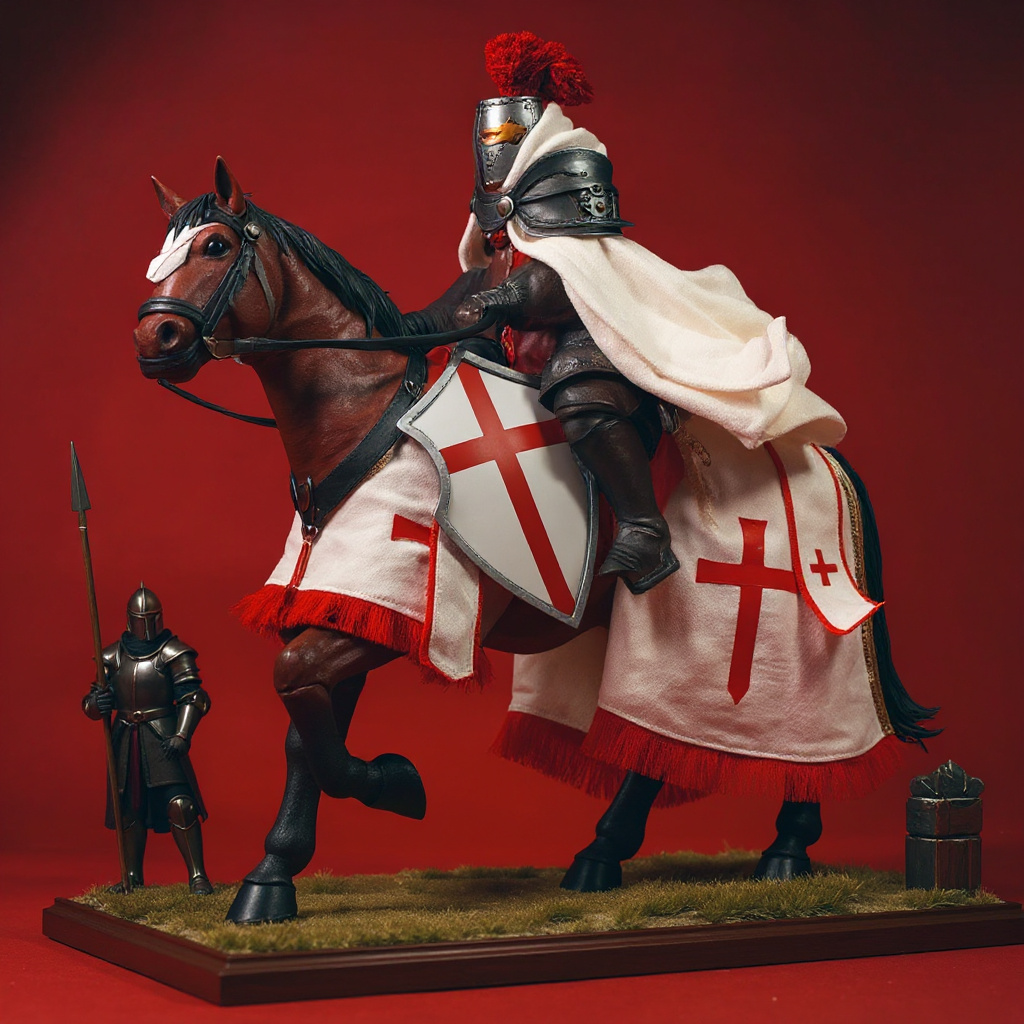
Cloth vs. Plastic Barding: An Honest Comparison
Plastic barding has real strengths. It survives a toddler, a shelf collision, and a move across the country. Cloth doesn't.
What cloth gives you is drape. Weight pulls the fabric down, seams crease where fabric would crease, and the surface catches side light the way wool or linen does. Plastic reads as molded in photos, even when it's painted well.
| Feature | Bundled Plastic Armor | Handmade Cloth Barding |
|---|---|---|
| Typical price | Often included with the horse, or about $10-20 separate | About $45-70 |
| Posability | Fixed shape | Wire-shapeable edges |
| Surface look | Molded texture, paint-dependent | Real fabric weave |
| Durability | High | Moderate; fabric can fray, wire can fatigue |
| Customization | Repaint only | Can be re-bent, trimmed, or re-hemmed |
| Best for | Play, rotating displays, shipping | Photography, static dioramas |
Price ranges are approximate retail figures we've seen across marketplaces and may change. Verify before buying.
Here's the part most product pages skip. If you live in a humid climate, handle your figures daily, or have pets that treat shelves as playgrounds, skip cloth entirely. Buy plastic. Honestly, it will make you happier.
Why the Wire Frame Matters
The thin wire in the hem does the structural work. Without it, a miniature cape hangs flat against the horse's flank and looks like a dish towel. With it, you can lift a corner, curve the back edge, or hold a flare as if wind were catching it.
Wire in the 22-24 gauge range is a common choice for miniature work because it bends by hand but resists springing back. Much thinner and it kinks and snaps. Much thicker and it fights you. Ask any maker for the exact gauge. If they can't tell you, that's a warning sign.
How long will it last? We haven't run a lab fatigue test, so treat any claim of hundreds of re-poses with suspicion, ours included. Metal work-hardens when bent back and forth. The fix is simple: pick a pose and leave it.
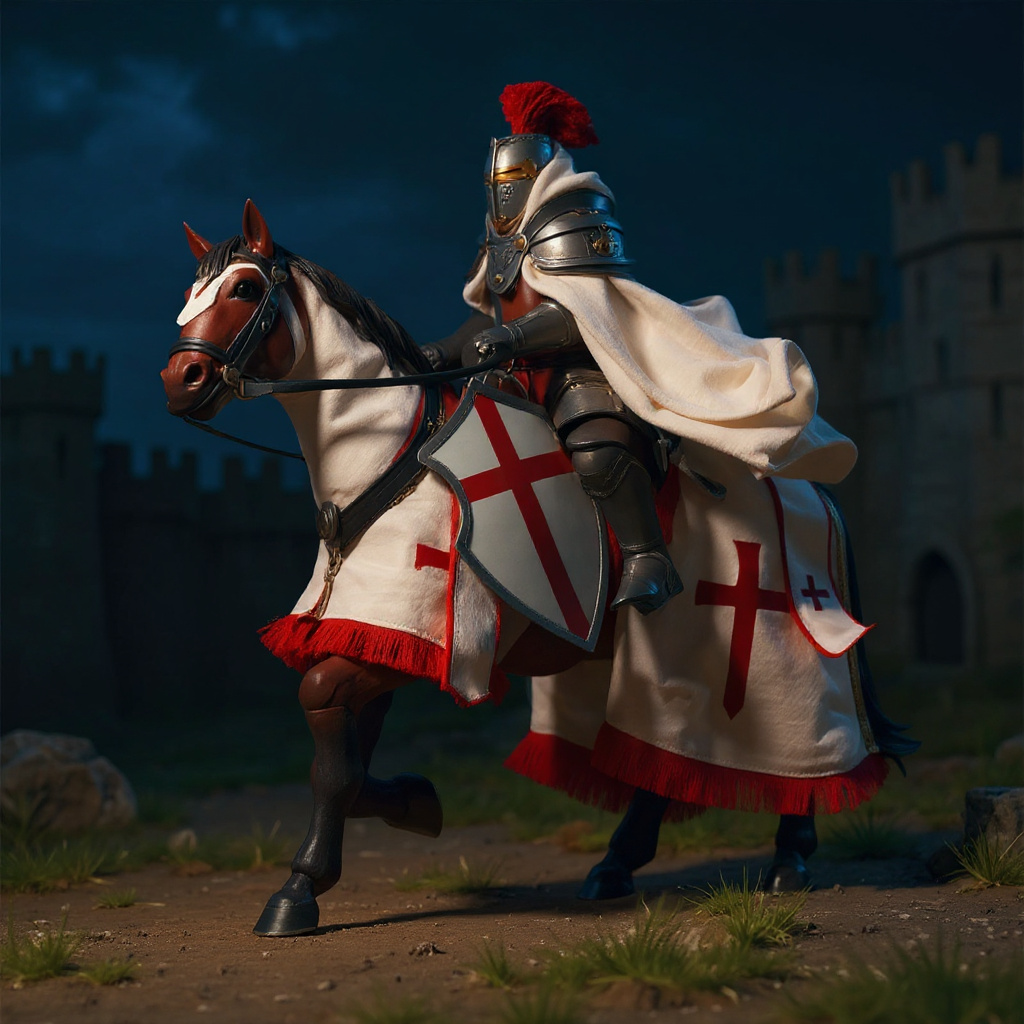
Sizing a 1/12 Scale Horse Cape
1/12 scale means one inch on the figure equals one foot in life. Horse height is measured in hands (4 inches each) at the withers. The math below is straight conversion:| Real horse height | Real inches | 1/12 scale height at withers |
|---|---|---|
| 14 hands | 56 in | About 4.7 in |
| 15 hands | 60 in | 5.0 in |
| 16 hands | 64 in | About 5.3 in |
| 17 hands | 68 in | About 5.7 in |
Warhorses of the period varied widely, and the museum record is murky. The Royal Armouries and the Metropolitan Museum of Art both hold armor collections worth browsing for proportions. Note that many figure-line horses are stylized, so don't assume a brand matches true 1/12. Measure yours.
Sizing checklist:1. Measure the horse from withers to the point of the hock, in inches. 2. Measure the barrel girth, or at least the width across the back, at its widest. 3. Compare both numbers with the dimensions on the product page. 4. Check for a molded saddle or tack that sits under the cape. 5. Allow extra room if your horse has sculpted armor plates you plan to keep.
We can't promise a fit on every brand. Mythic Legions, Boss Fight Studio, and Marvel Legends horses all differ, and some are oversized by design. Tight fit? Return it. Loose fit? Pin the cape.
Colors That Look Period-Correct
Medieval textile dyes came from plants and insects: madder for reds, woad for blues, weld for yellows, and walnut or oak for browns. Colors skewed earthy, and the strongest ones cost money. That's why a deep blue or purple cape signaled wealth.
If you want a historical look, start here:
1. Madder-style brick or wine red 2. Woad-style deep blue 3. Forest or olive green 4. Walnut brown or tan 5. Undyed cream or natural linen tone
Black and bright purple were costly and harder to produce, so use them sparingly for a high-rank rider. Skip neon and pastels. They look like doll clothes next to painted armor.
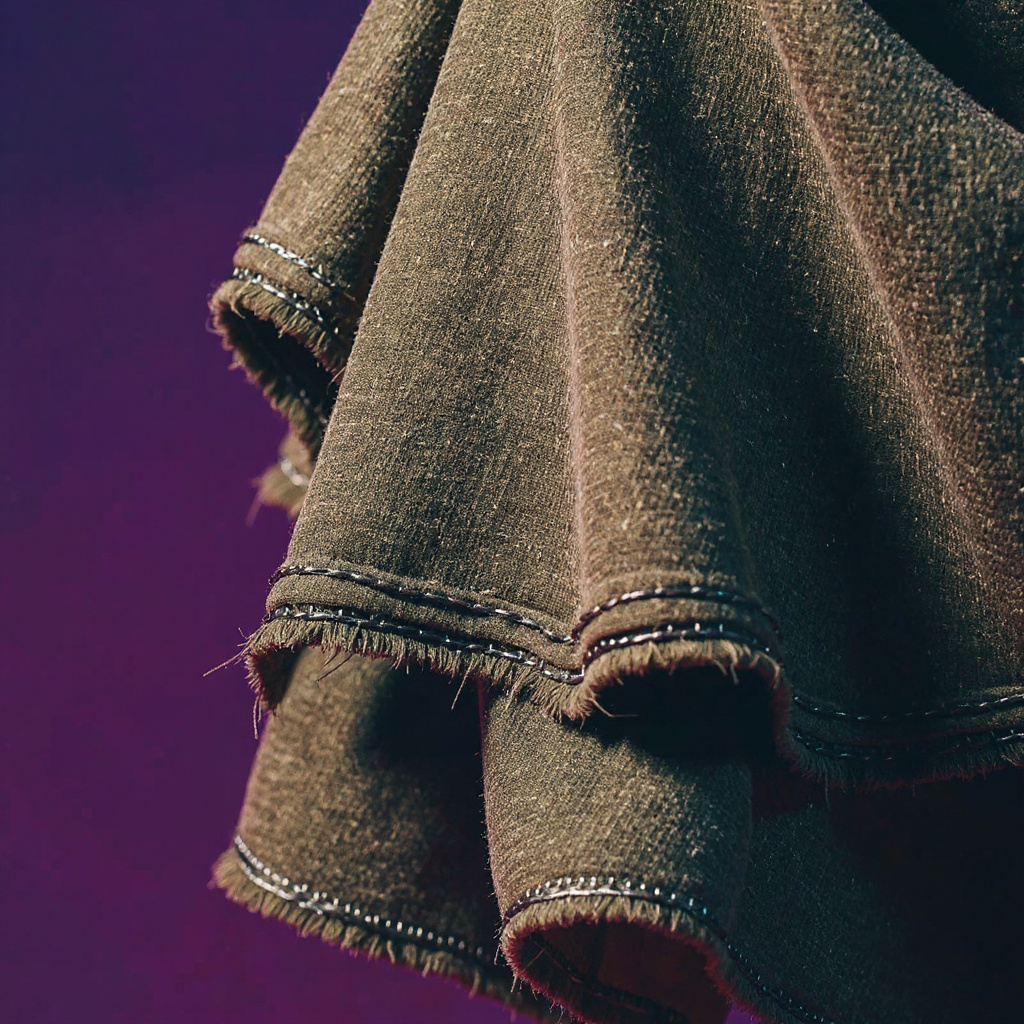
How to Pose Cloth Barding for Display
Don't fight gravity. Work with it.
1. Place the horse in its final pose first. 2. Drape the cape and center the seam along the spine. 3. Smooth the main body with your fingertips, not tools. 4. Bend the wire edges in small steps, about 10-15 degrees at a time. 5. Over-pose by a hair, because fabric often relaxes over a day or two. 6. Recheck after 48 hours and nudge any edges that sagged.
For photos, side light shows texture best. Backlight makes a dramatic silhouette but flattens the weave. A plain gray or diorama backdrop keeps attention on the stitching and scale.
What You Are Actually Buying
Cloth only. No horse.
That catches buyers off guard, but it's the right call for a $45 accessory aimed at people who already own figures. Because the seams are hand-stitched, expect small variations: a loose thread here, a slightly different fold there. Some collectors like that. Others want machine-perfect uniformity, and for them handmade is the wrong category.
Care and Storage
- Dust with a soft brush. - Spot-clean only; soaking can warp the wire edges and shift the weave. - Store flat or on the horse, never crushed under other boxes. - Use acid-free tissue for long-term storage. - Keep it out of direct sun, since dyed cloth fades.
Who Should Buy It, and Who Shouldn't
Buy it if you photograph figures, build dioramas, or want a custom look on a stock horse. Look elsewhere if you want a durable play piece or a guaranteed fit on every horse. Browse the full Figure Vault collection for other soft goods and accessories, or start from the Figure Vault home page.
FAQs About Action Figure Warhorse Cloth Armor
Will it fit Mythic Legions horses?
Maybe. Mythic Legions horses are stylized and sized for 6-inch figures, but proportions vary by release. Measure your horse from withers to hock and across the barrel, then compare with the listing dimensions. If the numbers are close, a few pins or stitches can fix minor looseness.
What wire gauge is used in miniature cloth barding?
Craft wire in the 22-24 gauge range is common for this work because it bends by hand and holds its shape. Gauge for any specific product depends on the maker, so ask before you buy. Wire thinner than that tends to kink, and thicker wire fights you.
How do I clean cloth barding?
Brush off dust with a soft brush. For a stain, dab with a barely damp cotton swab and let it air dry. Don't soak the piece: water can distort the wire edges and leave water rings. Keep it away from sun and heat.
What is the difference between caparison and barding?
Barding is the broad term for horse armor. It covers metal plate, mail, leather, and cloth. A caparison is the decorative cloth covering, often heraldic. Our cloth cape is closer to a caparison, though collectors usually call the whole category barding.
How much does action figure horse armor cost?
Plastic armor often ships with the horse or sells for roughly $10-20. Handmade cloth barding generally runs about $45-70. The Figure Vault cape is $45. Prices shift by maker and release, so check current listings.
Does the cape come with a horse?
No. It's cloth only. You supply a 1/12 scale horse sized for a 6-inch figure. That lets you upgrade a figure you already own instead of paying for a second horse you don't need.
How long does cloth barding last?
It depends on handling. Fabric can fray at the edges, and wire work-hardens when bent repeatedly. If you pose it once and leave it, expect years on a shelf. We have no lab data on exact re-pose counts.
What colors look most historically accurate?
Muted reds, deep blues, greens, browns, and natural cream are safe. Medieval dyes came from madder, woad, weld, and walnut. Bright purple and true black were costly, so reserve them for a high-rank rider. Skip neon and pastels.
Verdict
Cloth barding isn't for everyone. For photographers and diorama builders it's the cheapest way to make a stock horse look like a miniature historical piece. At $45, the Replacement Horse Cape Barding sits at the low end of handmade pricing. Measure first, pose gently, and keep it dry.

