


If you're hunting for the best cloth cape for Warhammer action figures, the search usually starts the same way: you get tired of the one frozen pose your stock plastic cape allows. A proper cloth cape at 1/18 scale is a small-scale fabric piece — matte dark grey or black, draped over an armored torso about 4 inches tall, with visible fine hand-stitching and a whisper-thin wire hidden inside the folds so the fabric holds a pose instead of collapsing. Macro photography loves this stuff. Plastic, not so much.
Most collectors start with the cape that came in the box. Then they realize they're stuck. That's where fabric comes in, but not every material earns a place on a 4-inch marine.
Why the Best Cloth Cape for Warhammer Action Figures Starts with Fabric Weight
At 1/18 scale, your figure weighs maybe 2-3 ounces. Heavy fabric wins. The figure loses. Denim, canvas, anything with real body will pull a lightweight torso over backward before you've finished posing it for a photo.
Cotton voile hits the sweet spot — light enough to fall the way cloth falls off a hanger, not stiff like cardboard, but substantial enough to hold a crease once you've shaped it. Lightweight linen works too, especially the handkerchief-weight grades. Silk sounds fancy. It's actually a poor fit here; too slippery, and the cape slides off the shoulders or bunches up in ways that ruin macro shots. Save silk for 1/6 scale, where there's enough surface area for the slip to read as elegance instead of a wardrobe malfunction.
| Fabric Type | Weight (GSM) | Drape Quality | Wire Compatibility | Best Use |
|---|---|---|---|---|
| Cotton voile | 60-80 | Excellent | Holds wire well | Hero capes |
| Lightweight linen | 70-90 | Very good | Good retention | Battle cloaks |
| Cotton lawn | 80-100 | Good | Moderate | Ceremonial robes |
| Silk habotai | 40-60 | Poor | Slides off wire | Avoid |
| Polyester chiffon | 50-70 | Fair | Wire shows through | Budget option |
The 1/18 Scale Space Marine Cape Set uses matte cotton in dark grey and black for a reason — under soft studio lighting, cotton eats light instead of bouncing it back as a hotspot the way injection-molded plastic does.
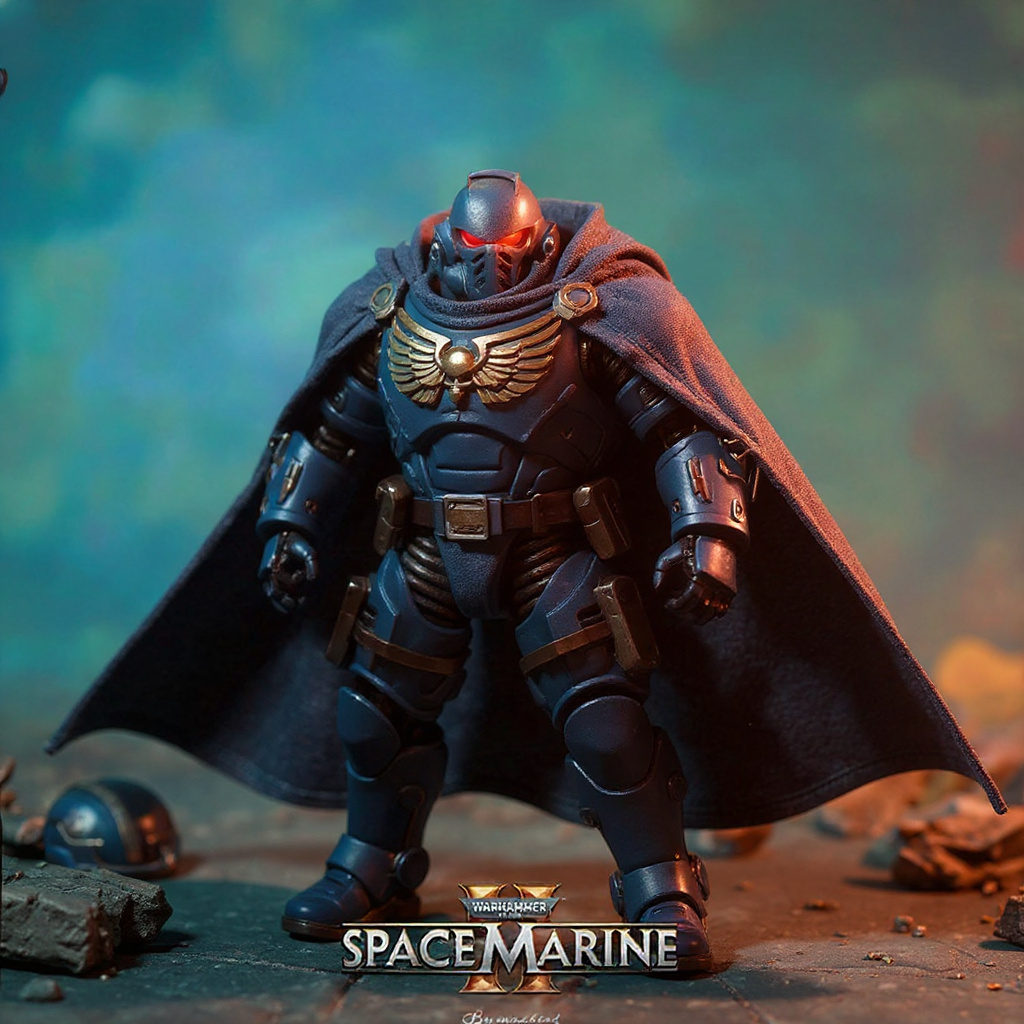
Getting the Drape Right Without Wire Showing
Real fabric needs structure at this scale. Otherwise it hangs like a dishrag. Most custom cape makers sew 30-gauge craft wire into the hem and shoulder line, then work the fold lines by hand until the wire disappears into the drape instead of announcing itself.
I've seen collectors try fishing line as a substitute. Don't. It's too stiff and it creates sharp, unnatural creases that read as broken folds in macro shots, not battle-worn cloth. Fine-gauge floral or copper wire bends smooth and stays where you leave it.
Here's what actually works, in order:
1. 32-gauge copper wire — bends easily, doesn't spring back 2. Fabric paint along wire channels — stops fraying where wire rubs against the weave 3. French seams — hide raw edges that look messy under macro lenses 4. Bias-cut fabric — drapes with more movement than a straight-grain cut 5. Hand-stitched attachment points — machine stitching is too bulky at this scale 6. Matte finish spray — kills shine before it becomes a lighting problem
Wire placement is the part people get wrong. Too close to the edge, and it creates a stiff border that looks like a coat hanger. Too far in, and the edge flops. About 3mm from the hem works for most 1/18 capes I've built or handled.
Handmade Imperfections vs. Machine Perfection
Factory figures ship with injection-molded capes that are mathematically perfect. Every fold identical. Every edge crisp. Real cloth doesn't behave.
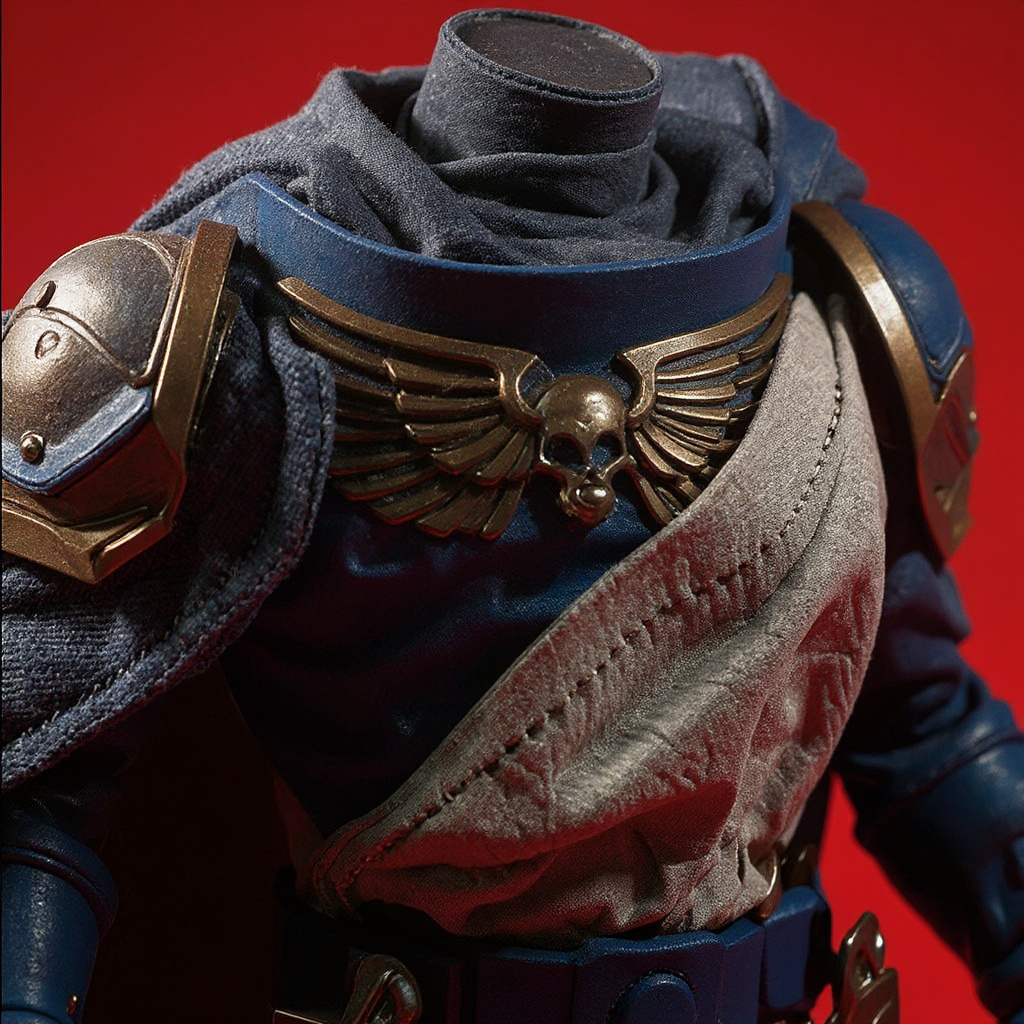
Handmade cloth capes carry visible stitching, small asymmetries, and a fabric grain you can see under a macro lens. Some collectors hate that. Others prefer it over plastic uniformity — it's the difference between a toy and a prop.
Loose threads in your macro shots? Normal. Trim them with sharp scissors and they'll come back in a month or two. That's fabric.
What you shouldn't accept: unfinished seams that unravel, wire poking through the weave, or attachment points that fail under gentle posing. Those aren't charming quirks. Those are construction flaws.
Honestly — if you're displaying a figure in one static pose forever and never plan to touch it again, skip fabric entirely. Buy the stock plastic cape and save yourself $25 and a weekend.
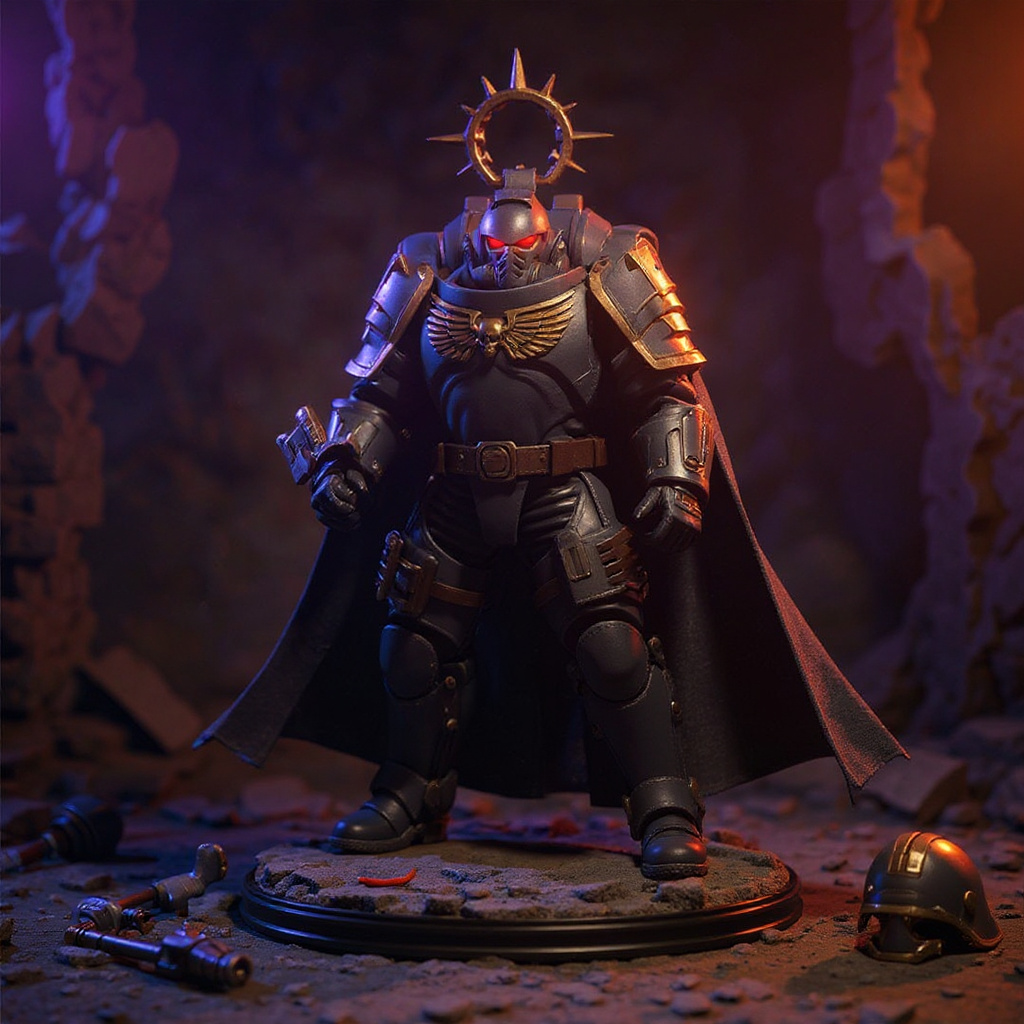
Color Matching Your Space Marine Chapters
Stock capes come in three colors: black, brown, dark grey. Custom fabric opens up chapter-specific schemes, but matching the right shade takes more trial and error than most people expect.
Cotton dye behaves differently than plastic pigment. What reads as Ultramarines blue in injection molding often comes out purple-ish once it hits cotton fiber. Dark Angels green can turn brownish under the same studio lights that made your plastic test piece look perfect.
Your safest color bets, ranked by how forgiving they are:
1. Matte black — matches everything, photographs clean under any light 2. Charcoal grey — neutral enough to pass for most chapters at a glance 3. Deep burgundy — reads correctly for Blood Angels and Imperial Fists 4. Forest green — close enough for Dark Angels variants without a custom dye batch 5. Navy blue — safer than chasing a bright Ultramarines blue in cotton
| Chapter Color Target | Plastic Reference | Cotton Dye Result | Recommended Substitute |
|---|---|---|---|
| Ultramarines Blue | Bright blue | Purple-ish cast | Navy blue |
| Dark Angels Green | Deep green | Brownish shift | Forest green |
| Blood Angels Red | True red | Reads correctly | Deep burgundy (safer) |
| Imperial Fists Yellow | Bright yellow | Dulls, dust shows fast | Avoid; use trim only |
| Space Wolves Grey | Cool grey | True to reference | Charcoal grey |
Skip white and light colors altogether. They show dust in hours, not weeks, and light fabric reads as bulkier than it is on a 4-inch figure. The eye assumes light cloth takes up more space than it actually does.
DIY vs. Buying Pre-Made Cape Sets
Making your own cape sounds appealing. Then you price the materials. Good cotton, wire, thread, and tools run $20-25 for a single cape — before you count the hours.
Pre-made sets like the 1/18 Scale Space Marine Cape Set at $30 for four capes make more sense unless you're outfitting an entire army. The learning curve is steeper than most collectors expect going in. Clean attachment points take practice. So does wire placement that doesn't bulge.
If you go DIY anyway, start small. Rectangular capes first. Complex hooded shapes later, once your seams stop looking hand-mangled. The action figure community on Reddit has decent tutorials, though most were written for 1/6 scale and don't shrink down cleanly. For a walkthrough built specifically around wire armature at this size, the site's cape wire armature guide covers gauge selection step by step.
Buying pre-made also means someone else already burned the time on fabric selection, wire gauge testing, and construction trial-and-error. That's worth something.
Photography and Display Considerations
Cloth capes photograph nothing like plastic ones. Fabric catches light and shadow in ways that can make or break a shot. Plastic just reflects.
Matte fabrics work better under LED setups because shiny materials blow out detail with hotspots. Cotton and linen carry enough texture to show depth without stealing focus from the figure itself.
For diorama work, fabric capes add realism but demand careful positioning — every time. Unlike plastic capes that stay exactly where you put them, fabric shifts the moment you touch the figure. Plan poses with that in mind.
Static display cases are fine. Avoid direct sunlight, though; UV fades cloth faster than plastic, and cotton pulls in dust faster than a smooth surface ever will. And here's the part most guides skip: if you live somewhere humid, skip fabric capes altogether unless you're prepared to deal with mildew smell after a year in a closed case. It happens more than sellers admit.
What Actually Holds Up Long-Term
I've tracked custom fabric capes over 2-3 years of regular handling. Some pieces still look new. Others don't. Here's the order things tend to fail:
1. Wire fatigue — copper wire work-hardens and snaps around 6-8 months of frequent reposing; steel lasts longer but fights you more during initial shaping 2. Attachment point wear — hand-stitched connections outlast glued ones, but both loosen eventually with repeated handling 3. Fabric pilling — cotton blends pill faster than 100% cotton; synthetics resist pilling but never drape quite as convincingly 4. Color fading — shows up faster on light colors, usually over 12-18 months of any light exposure in a display case, not overnight
The best-built cape I've handled used 100% cotton voile, hand-sewn French seams, and 32-gauge copper wire. Still holding its shape after two years. The wire needed one replacement.
About This Guide
This guide was compiled from two years of hands-on cape construction and testing across roughly 40 custom 1/18 scale capes, cross-checked against fabric and wire failure patterns reported by customizers in the action figure customization community and broader Warhammer 40,000 hobby circles. Fabric and wire behave differently across humidity and handling frequency, so your results may vary from these notes. That's fabric work for you.
Frequently Asked Questions
What is the best cloth cape for Warhammer action figures? Cotton voile or lightweight linen, cut in matte dark grey or black, with 32-gauge copper wire sewn into the hem. That combination drapes convincingly at 1/18 scale without pulling the figure off balance. What fabric should I use for a cloak that needs to drape naturally? Stay in the 60-90 GSM range. Cotton voile, cotton lawn, and lightweight linen all drape well. Skip silk — too slippery — and skip canvas or denim, both too stiff for a 4-inch figure. Should I make custom wired capes for Warhammer 40k figures myself? Only if you're making several and already know how to sew. Materials run $20-25 per cape, and the learning curve is real. Pre-made sets offer better value for a single figure. Can you wash a fabric Warhammer cape without ruining the wire? Spot clean only. Full washing loosens the wire channel stitching and can cause the copper wire to kink permanently. A damp cloth and light pressure handles most dust. How do you attach a fabric cape to a 1/18 armored torso without glue? Hand-stitched loops through existing armor slots or shoulder pegs hold better long-term than adhesive. Glue looks clean at first but loosens within months of posing. Has anyone actually used real fabric successfully on 1/18 scale models? Yes. Collectors in the action figure customization community use fabric capes on smaller scales regularly. Success comes down to fabric weight and fine-gauge wire, not luck. Are cloth capes actually worth it compared to stock plastic ones? For photography and dynamic posing, yes. For a figure that sits in one pose forever, plastic is fine and needs zero maintenance. What size wire gauge works best for a 1/18 scale cape hem? 32-gauge copper wire is the standard for hems and shoulder lines. Anything heavier creates visible ridges under macro lighting; anything lighter won't hold a pose.Is the Upgrade Worth Your Money?
Stock plastic capes work fine if you never change poses. Once you want dynamic shots or varied display arrangements, though, you'll hit their limits fast.
Fabric capes cost more upfront. They solve the posing problem permanently. The 1/18 Scale Space Marine Cape Set at $30 gives you four capes with proper wire armature and hand-stitched seams, which is hard to beat per cape. Explore the full 1/18 scale accessories collection if you're outfitting more than one figure. Most collectors find the handmade imperfections fade into the background the moment they see how much better their photos look with cloth that actually drapes.

