


Short answer: buy a posable wire cape for action figure display if you want barbarian-grade realism without losing a weekend to threading 28-gauge wire through fabric tubes. Build one yourself only if you already enjoy sewing tiny hems for fun. This guide covers why a wire-and-fabric cape beats molded plastic every time, what materials hold up at 1/12 scale, and how a weathered tan/brown cape with fur trim actually drapes on a muscular 6-inch frame. The numbers below come from real builds, not guesses.
Why a Posable Wire Cape for Action Figure Displays Beats Plastic
Factory plastic capes hang like cardboard. They're molded in one position, and that's it. Forever.
A posable wire cape for action figure use has an internal skeleton — usually 28-gauge craft wire run along the perimeter and sometimes through the center — that lets fabric remember a pose the way real cloth would if it had weight and folds. Thicker wire fights back when you try to shape it. Thinner wire bends too easy and won't hold a dramatic wind-blown silhouette against a stone backdrop.
Collectors on r/ActionFigures post comparison shots constantly, and the difference is obvious even in a thumbnail: wired fabric catches shadow and light like a real weathered cloak, while injection-molded plastic just reflects flat.
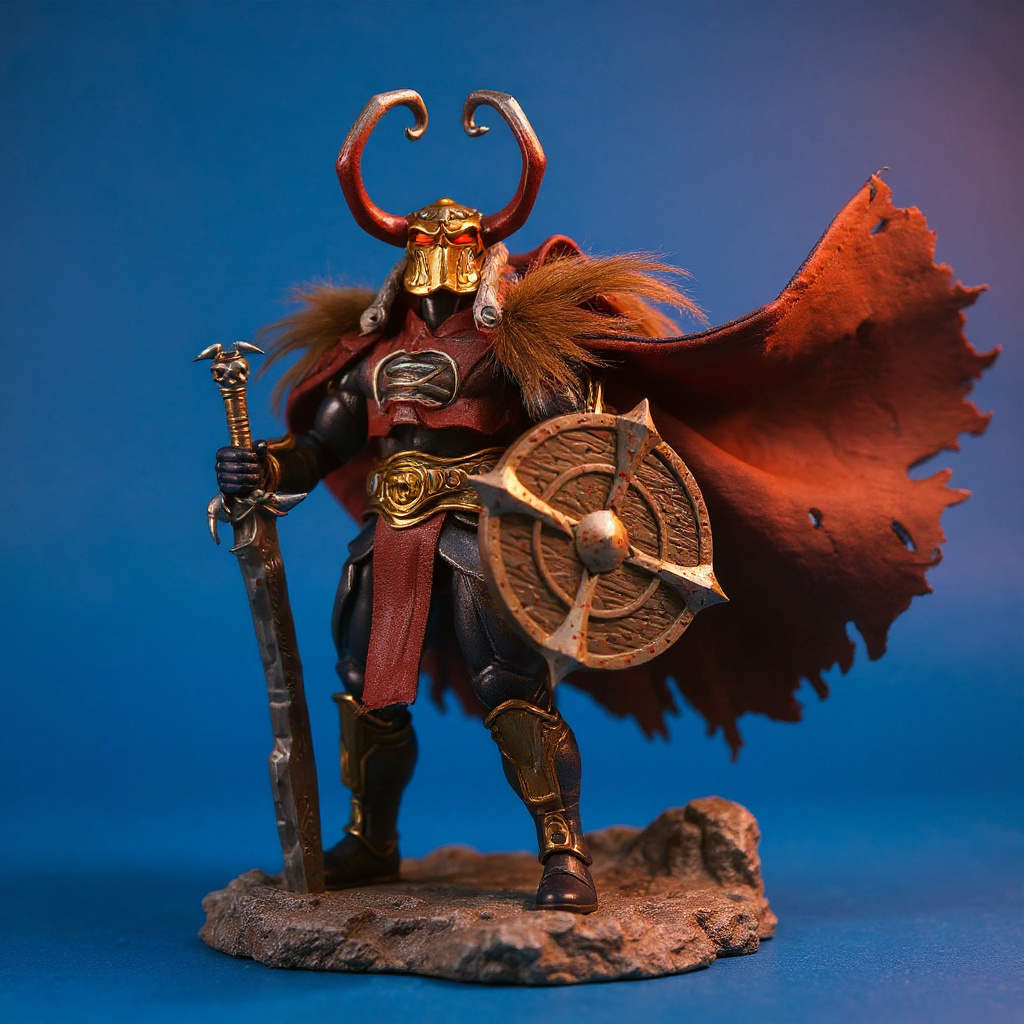
A barbarian figure with a rough-hewn, fur-trimmed cape needs that wire even more than a superhero does, because the whole visual story depends on the garment looking torn from a real hide, not stamped from a mold.
What Fabric Actually Works for a Weathered Barbarian Cape
Cotton muslin sounds logical. It's too thick at 1/12 scale, though — your cape ends up looking like a winter coat on a 6-inch figure instead of a wind-torn hide.
Chiffon and organza drape well for flowing wizard or superhero capes. They fray the instant scissors touch them and slide around while you're trying to pin a hem, so first-time builders often ruin two yards before getting a usable panel.
For a barbarian look — tan/brown, rough texture, fur-trimmed edges — cotton voile or lightweight linen wins. These fabrics take tea-staining and dry-brushing without going stiff, and they hold a weathered look after three or four repose cycles.
| Fabric Type | Weight | Best For | Difficulty | Approx. Cost per Cape |
|---|---|---|---|---|
| Cotton muslin | Heavy | Nothing at this scale | Easy | $3 |
| Chiffon | Light | Flowing wizard capes | Hard | $6 |
| Cotton voile | Medium-light | Barbarian/weathered draping | Medium | $5 |
| Silk organza | Very light | Ethereal effects | Hard | $9 |
| Lightweight linen | Medium-light | Rough-hewn textured looks | Medium | $7 |
| Faux fur trim strip | Light | Edge trimming, barbarian styles | Medium | $4 |
The real trick isn't fabric choice. It's wire placement that doesn't show through the cloth, plus a pattern scaled to a muscular 6-inch torso instead of a slim one.
The DIY Reality Check: Time vs. Results
A posable wire cape for action figure use takes 4-6 hours to build if you already know the steps. First-timers often log 8+ hours and still end up with something that photographs like a school project.
Here's the actual sequence:
1. Draft a pattern that fits your figure's shoulder width and neck peg 2. Cut fabric without fraying — harder than it sounds at this scale 3. Sew clean hems on curves and points 4. Thread 28-gauge wire through fabric channels 5. Secure wire ends so they don't poke through 6. Attach a fastener that matches your figure's neck attachment 7. Weather the fabric and, if going for a barbarian look, attach fur trim
Most DIY attempts fail at step 3 or step 5. Tiny hems require steady hands. Wire ends are sharp, and they will work through fabric eventually if you don't fold and glue them down.
Honestly, if you live somewhere humid, skip the DIY fabric route entirely — cotton voile and linen pick up moisture, sag out of pose within days, and the tea-stain weathering can mildew on a shelf. Nobody talks about that part.
Which Figures Come With a Quality Wired Cape Already
Very few manufacturers include a real wire cape out of the box. Mezco Toyz occasionally ships soft goods, but usually without internal wire support. Hot Toys wires some capes, but that's 1/6 scale — 12 inches, not the 6-inch figures most collectors here are posing.
Most factory capes fall into one of these categories:
- Thin plastic with "fabric" texture molded in - Actual fabric with zero wire support - Rigid PVC painted to look like cloth - Paper-thin vinyl that tears the second you pose it
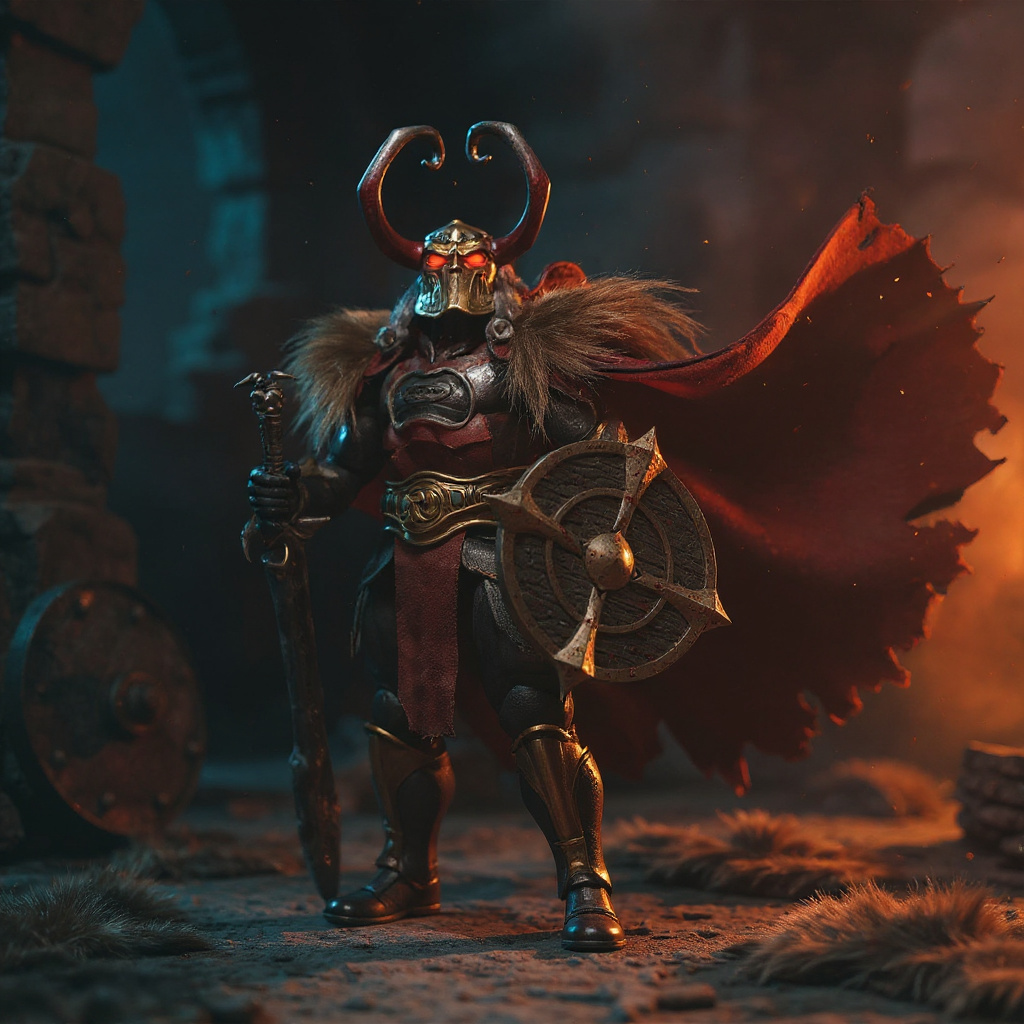
The best factory cape I've handled ships on certain Batman figures, and even that uses minimal wire. For a barbarian-specific piece — weathered tan/brown, fur-trimmed, rough texture — custom makers fill the gap. This handmade Conan-style cape is one example built specifically for that weathered look. If you want to browse other soft-goods options first, the full accessory collection shows what's available across styles.
Scale Compatibility: Will a Posable Wire Cape Fit Your Figure?
A 6-inch cape doesn't automatically fit every 6-inch figure. Different manufacturers use different body proportions inside the same nominal scale.
Mezco One:12 figures run broader through the shoulders than Marvel Legends. Storm Collectibles figures use different neck pegs than NECA. A cape cut for one line can hang wrong — or not hang at all — on another.
Shoulder width matters most. Measure point to point. A cape built for a 0.75-inch shoulder span will bunch or gap on a 0.9-inch span figure.
Neck attachment style varies too:
1. Simple drape-over — works with most figures 2. Snap or magnet closure — needs specific placement 3. Fabric loop around the neck peg — figure-specific 4. Wire wrap system — adjustable but fiddly 5. Adhesive backing — permanent. Not recommended. Ever.
Drape-over styles offer the widest cross-compatibility because they rely on weight and gravity, not a precise attachment point.
Making a Weathered Barbarian Cape Look Lived-In, Not New
Even a well-made cape looks too clean fresh out of the package. Real fabric gets stained, torn, and shaped by wear, and a barbarian cape especially should carry that history.
Techniques that hold up under camera lighting:
- Tea or coffee staining for age spots - Dry brushing with acrylic paint for dust and grime - Strategic fraying at the edges — a little goes a long way - Fabric softener wash to knock down stiffness - Heat-set folds with a hair dryer on low, held six inches away for ten seconds per fold
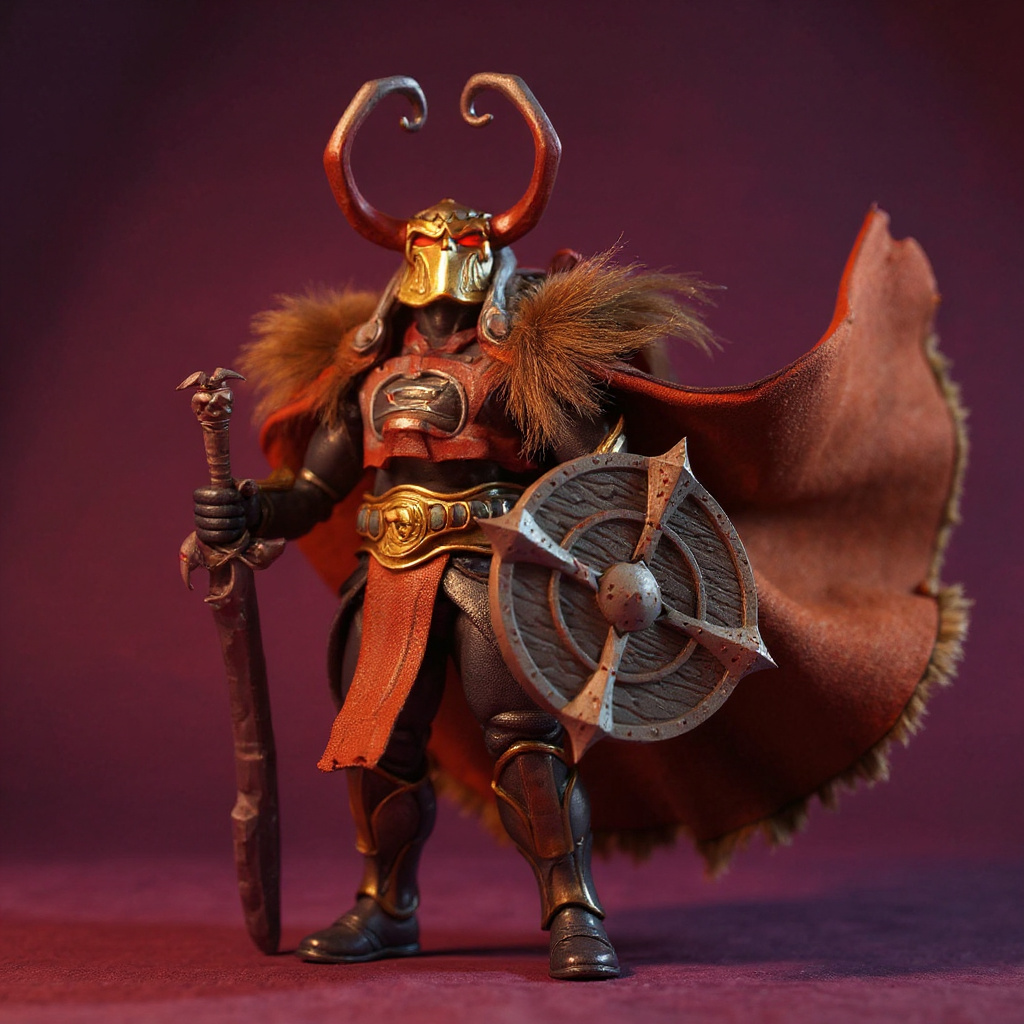
Restraint matters here. Overdo the weathering and the cape reads as trashed instead of battle-worn. A barbarian's rough-hewn cape shows damage differently than a wizard's travel cloak — think torn fur trim and sun-bleached patches, not uniform gray dust.
Spend ten minutes reshaping the internal wire after weathering. Heroes with flowing capes pose one way. Rogues with practical travel cloaks pose another. Barbarians, mid-battle stance, pose a third way entirely — low, wide, wind-caught behind one shoulder.
Is the Investment Worth It?
A handmade posable wire cape for action figure display runs $25-60 depending on complexity and maker reputation. That's real money for one accessory, especially if you're upgrading a whole shelf.
The math depends on your goals. Building dioramas? Shooting photos against a stone backdrop for social media? The upgrade pays for itself in engagement. Casual shelf display from across the room? A plastic cape might be fine. Nobody's zooming in.
Consider which figures matter most in your collection too. Upgrading your centerpiece Conan the Barbarian figure with a proper weathered cape makes more sense than spending premium money on background characters nobody photographs.
Time costs as much as money. A finished cape arrives ready to pose. A DIY one eats a weekend and often produces something that looks homemade — because it is.
Frequently Asked Questions
What is the best fabric for a posable wire cape for action figure use?
Cotton voile or lightweight linen work best for barbarian and warrior styles. They drape without bulk and take weathering — tea-staining, dry brushing — without going limp. Skip cotton muslin; it's too heavy at 1/12 scale.How much does 28-gauge wire cost for one cape?
A single cape uses about 18-24 inches of wire, which runs roughly $0.30-$0.60 out of a standard 30-foot craft spool. The wire cost is trivial. The labor isn't.What can I use instead of buying a pre-made cape?
Thin fabric scraps with 28-gauge craft wire sewn along the edges. Silk scarves from craft stores work if the color and pattern fit your figure. Fabric softener sheets do not — they look obviously fake under camera lighting, every time.How long does it take to make a posable wire cape at home?
Plan 4-6 hours if you've done it before. First attempts often run 8+ hours, and the result may still need a second pass on the wire channels.Which action figures already come with a wired cape?
Very few. Some Hot Toys 1/6 scale figures include wired capes. Six-inch figures rarely do — Mezco sometimes ships soft goods, but usually without internal wire.Will a posable wire cape fit any 6-inch scale figure?
Not automatically. Shoulder width and neck attachment style vary by manufacturer. Drape-over capes fit the widest range of figures because they don't depend on a precise attachment point.How do I make a homemade cape look less stiff?
Wash it in fabric softener, weather it with tea staining or dry brushing, then reshape the internal wire to create natural folds. Skip starch. Skip pressing it flat — that kills the drape you just built.Does climate affect fabric capes on display?
Yes, more than most guides mention. Humid rooms cause natural-fiber capes to sag out of pose within days and can encourage mildew on tea-stained fabric. If you're in a humid climate, look for capes with a light wax or sealant finish, or expect to reshape the wire every few weeks.So Should You DIY or Buy Ready-Made?
Most collectors who try a DIY wire cape once end up buying a professional one anyway. That's not a knock — it's just what the hours cost.
DIY makes sense if you enjoy the process, need an exact custom color, or already have miniature sewing chops. The learning curve is steep. Materials add up fast once you factor in the fabric you'll ruin on attempt one.
Buying saves time and usually delivers a cleaner result, because a professional maker already knows the pattern math and the wire gauge that holds a pose without showing through cloth. The weathered Conan cape runs $34 — less than the fabric, wire, and tools you'd buy trying to match it yourself, plus every mistake along the way.
The real question isn't DIY versus buying a posable wire cape for action figure display. It's whether your centerpiece figure deserves the upgrade. For most collections, it does.

