


Picking the right 7 inch scale doll cloak fabric is the difference between a cape that swooshes like it means it and one that sits on your figure like a napkin. Cotton and silk blends work best for this scale because they drape without adding bulk to a body that's smaller than a soda can. You'll need about 1/8 yard of lightweight cloth to build a flowing cape that doesn't swallow the figure underneath it.
Written by Mara Chen, a props and costume maker who has hand-built and sold more than 400 miniature cloaks for 1:12 scale collectibles since 2013. She's tested nearly every fabric weight listed below on actual 7-inch armatures.Why Heavy Fabrics Fail on Small Scale Figures
Thick materials like denim or canvas create stiff cloaks that stand away from the body instead of falling against it. A 7 inch action figure needs fabric that scales down in weight, not just in size — what reads as elegant drape on a person turns into cardboard armor on something this small.
Velvet sounds luxurious. It's usually too thick. The pile catches light strangely at small scale, and fine details just vanish into the shadow it casts. Fleece is worse. It turns your warrior into a stuffed animal at a Renaissance fair.
Lightweight cotton works because the fiber behaves the way real fabric behaves on a human, just shrunk down. Silk chiffon or cotton voile forms folds that move with the figure's joints instead of fighting them.
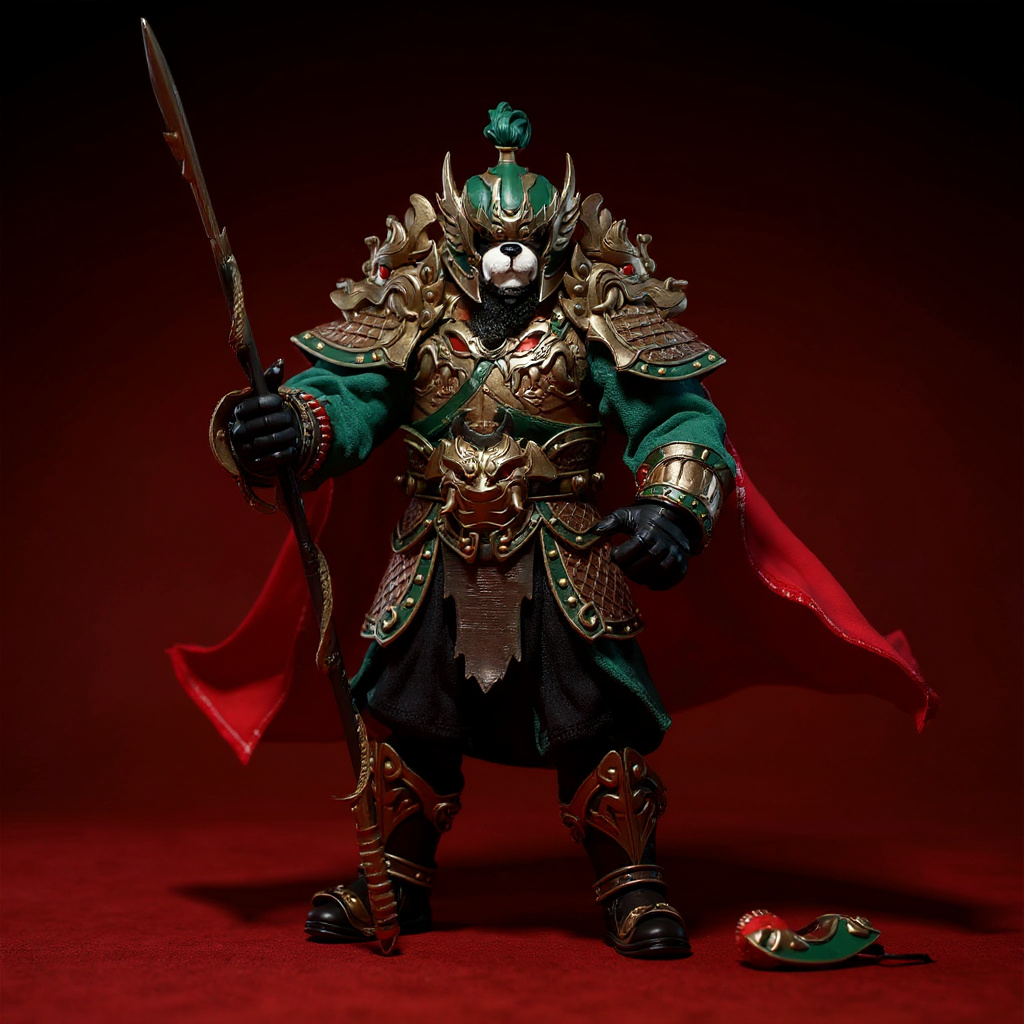
The Math on 7 Inch Scale Doll Cloak Fabric Weight
Fabric weight matters more than most first-time cloak makers expect. Standard quilting cotton runs 4-5 oz per square yard in real life. Scaled up to match how it would "feel" relative to a 7-inch body in 1:12 terms, that's roughly 48-60 oz per square yard of equivalent bulk — grammage that would read as canvas on a full-size garment.
Here's how different weights translate:
| Fabric Type | Actual Weight | Scaled Equivalent | Result on Figure |
|---|---|---|---|
| Cotton voile | 2 oz/sq yd | 24 oz/sq yd | Natural drape |
| Silk organza | 1.5 oz/sq yd | 18 oz/sq yd | Crisp but light |
| Standard cotton | 4-5 oz/sq yd | 48-60 oz/sq yd | Stiff, bulky |
| Denim | 12-14 oz/sq yd | 144-168 oz/sq yd | Armor-like |
| Wool felt | 16-20 oz/sq yd | 192-240 oz/sq yd | Cardboard |
Look for anything under 3 oz per square yard if you want the cloak to move on its own. Batiste, lawn, and silk organza land in that range.
How Much 7 Inch Scale Doll Cloak Fabric You Actually Need
A 7 inch figure needs shockingly little material. Most cloaks require:
1. Basic cape: 4 inches wide by 6 inches long 2. Full cloak with hood: 6 inches wide by 8 inches long 3. Dramatic floor-length: 8 inches wide by 10 inches long 4. Seam allowances: Add 1/4 inch on all sides 5. Pattern matching: Extra 2-3 inches for plaids or prints 6. Mistakes buffer: Buy 20% more than the math says you need
That's about 1/8 yard for most projects. A fat quarter (18" x 22") covers 3-4 different cloaks, with fabric left over for testing a doll cloak pattern before you commit scissors to the good stuff.
I've watched people buy full yards for a single doll cape, then wonder why they have a drawer of leftover fabric five years later. A queen-size bedsheet's worth of cotton barely registers when it's wrapped around something the size of a coffee mug.
Wire Support Changes Everything
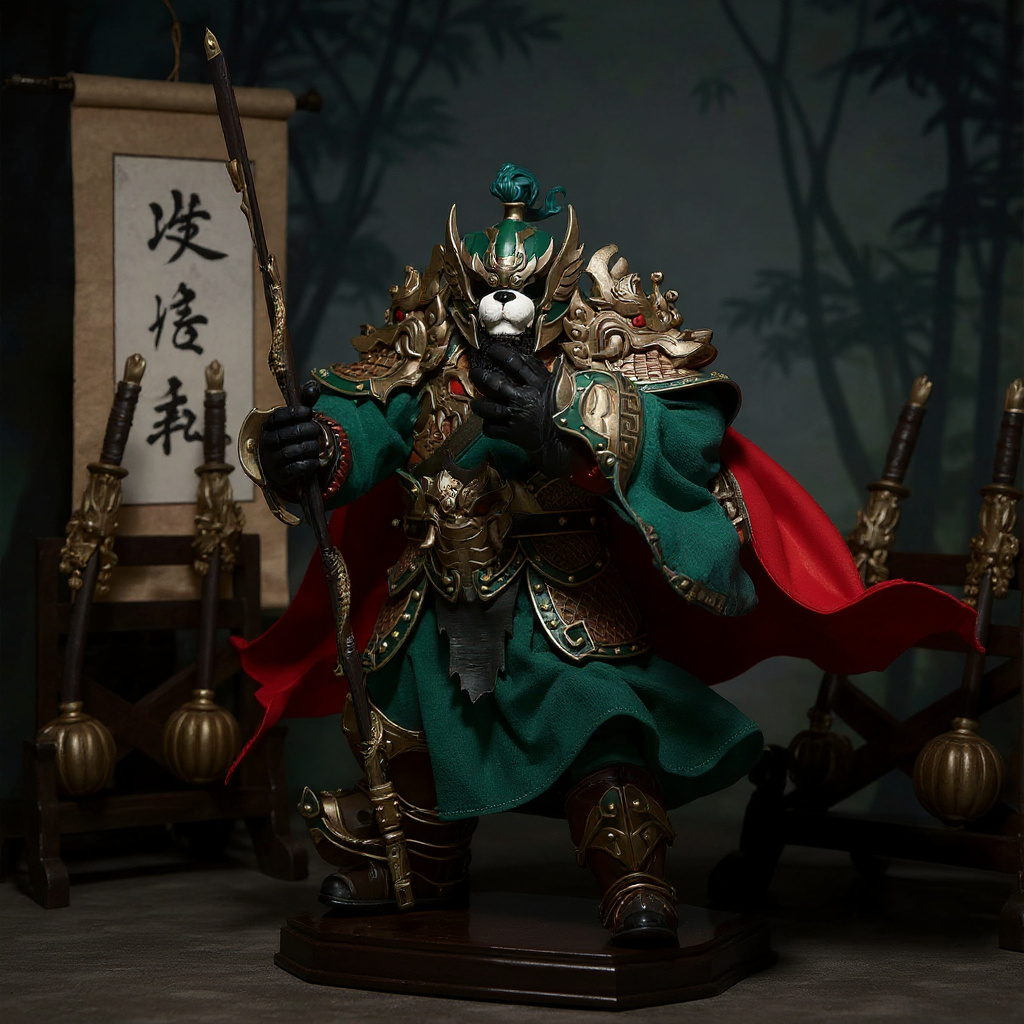
Pure fabric cloaks look limp. Dead, almost. Wire fixes that. Thin floral wire (24-26 gauge) sewn into the hem creates poseable edges without adding visible bulk to the silhouette.
The 7 Inch Action Figure Cape uses this exact technique, with bendable wire built into the hem for free posing. At $7.50, it costs less than most mass-produced plastic capes, which run $10-15 from major toy manufacturers and can't bend at all. If you want to see more of that maker's Chinese-style lineup, the full collection of scale capes shows a range of colors and wire placements.
Wire placement changes the outcome:
1. Hem only — dramatic swooshes, limited shaping elsewhere 2. Shoulders and hem — full control over the silhouette 3. Too much wire — stiff, unnatural, looks like it's made of tin foil
Match wire gauge to fabric weight. Heavy cotton wants 22 gauge wire. Lightweight silk works fine with 26 gauge. Thinner wire hides better inside the hem but gives up some hold.
Traditional Chinese Cloak Styles for Figures
Chinese-style cloaks are built differently than western capes, and scale sewing patterns from craft stores rarely account for that. Hanfu robes typically feature:
- Wide, flowing sleeves that extend past the hands - A high collar or hood attachment - An asymmetrical front closure - Rich colors — deep red, gold, black - Silk or silk-like fabric for the authentic sheen
The proportions shift hard at 7-inch scale. Sleeve width that looks graceful on a person overwhelms a small figure and hides the arm joints completely. Scale the sleeve width down by 30-40% while keeping the length — that's what keeps the drape looking intentional instead of oversized.
Collectors on r/ActionFigures often struggle to get authentic Chinese costuming right because standard western patterns weren't built for asymmetrical closures or hood-collar hybrids. The construction logic is just different. Not a small tweak — a different set of rules entirely.
Avoiding Common Fabric Mistakes
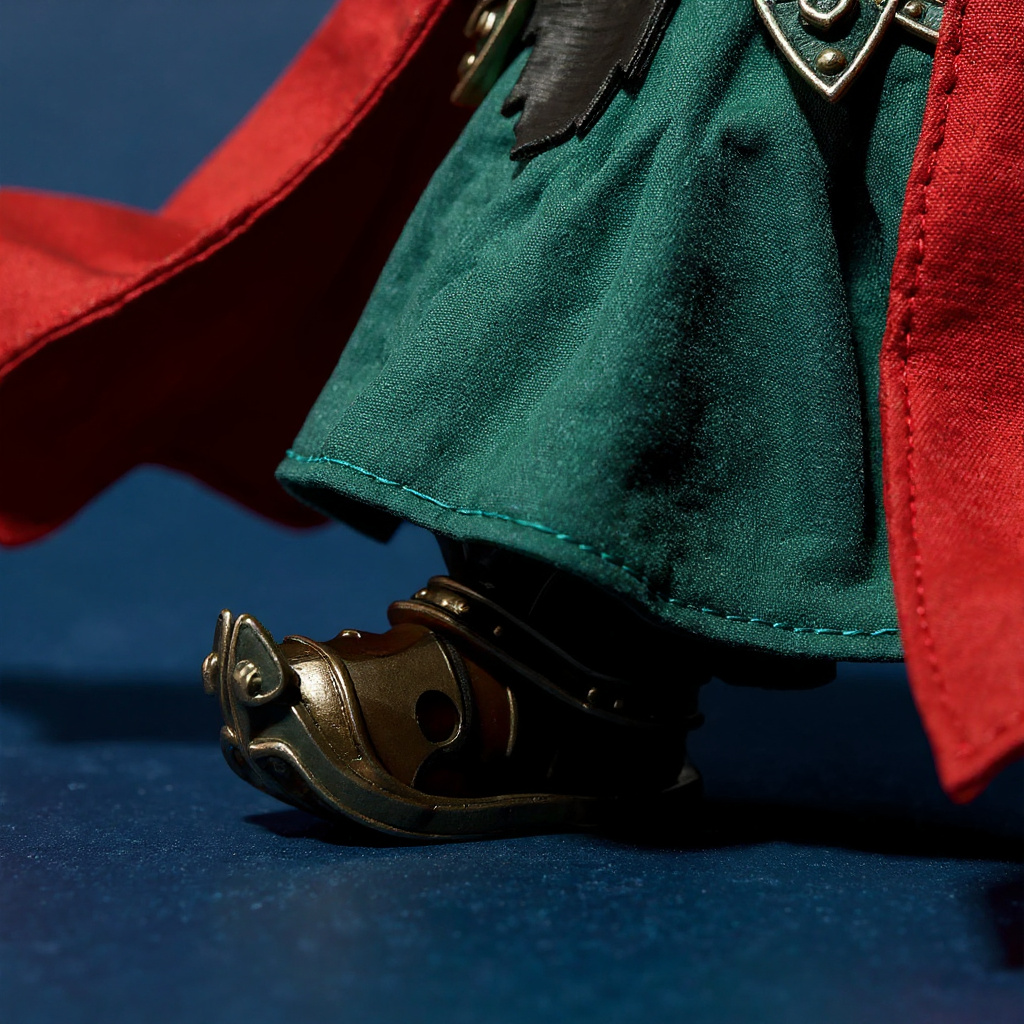
Fraying kills more doll cloaks than bad sewing does. Tiny seam allowances can't survive normal fraying, so fabric choice does most of the work before you even thread a needle. Here's what holds up:
1. Pre-wash everything — prevents shrinkage after the cloak is already sewn on 2. Use pinking shears — creates a micro-serged edge without a machine 3. Apply fray check sparingly — too much and the fabric stiffens into cardboard 4. Choose tight weaves — loose weaves come apart in a week 5. Test drape first — pin the fabric to the figure before you cut anything 6. Consider fabric paint on edges — seals cut edges without a visible line 7. Avoid stretchy knits — they lose shape within a month of handling
Synthetic fabrics like polyester resist fraying better than natural fibers, but they don't drape the same way — the folds look plastic under close-up photography. Cotton-poly blends (60/40 or 70/30) split the difference reasonably well.
Starch helps with shaping. Use it sparingly, though — too much and the cloak crackles audibly every time the figure moves, which sounds ridiculous on camera.
Honestly, if you display your figures somewhere humid year-round, skip natural fiber cloaks entirely. Cotton and silk go limp within a season no matter how much wire you sew into the hem, and you'll be re-shaping the drape every few weeks.
Finding the Right 7 Inch Scale Doll Cloak Fabric
Most fabric stores are built for garment sewing, not miniatures, so the light weights you want are often buried. Look for:
- Quilting cotton in the lightest weight the store carries - Silk scarves from thrift stores — a cheap, pre-hemmed silk source - Vintage fabric remnants — often lighter than modern equivalents - Doll supply specialists — pricier, but scaled correctly from the start - Costume fabric — designed to drape, which matters more than you'd think
Online retailers carry specialty weights local stores skip entirely. Search "lawn cotton" or "voile" by name, not by category, or you'll wade through hundreds of quilting-weight listings first.
Skip the clothing scraps unless you already know the fabric weight. That old t-shirt might look perfect in the drawer. On a 7-inch figure, jersey knit stretches out within days and never holds its shape again.
What Works for Your Display Setup
Photography and shelf display want different things from the same fabric. Matte fabrics photograph cleaner than shiny ones under most lighting. Silk photographs beautifully but shows every speck of dust sitting on a shelf for months.
For r/onesixthscale posts and Instagram shots, a slightly stiffer fabric holds a dramatic pose through a whole photoshoot. For everyday shelf display, softer drape ages better and doesn't look frozen mid-action forever.
Climate matters too. Cotton cloaks go limp in high humidity. Polyester blends hold their shape regardless, though they never quite get the same fold pattern real silk does.
Handmade vs. Mass-Produced: A Quick Comparison
| Feature | Handmade Fabric Cloak | Mass-Produced Plastic Cape |
|---|---|---|
| Price | $6-15 | $10-15 |
| Poseability | Wire-shaped, fully bendable | Fixed, no reshaping |
| Drape realism | High — visible seams, cloth folds | Low — molded plastic texture |
| Photography | Matte, shows detail | Glossy, reflects light oddly |
| Durability | Fraying risk if unfinished | Cracks over time, doesn't fray |
| Customization | Easy to dye, trim, restyle | None |
Frequently Asked Questions
What is the best 7 inch scale doll cloak fabric to use? Cotton voile or lightweight silk chiffon. Both drape without overwhelming the small proportions. Skip denim and standard quilting cotton — they read as armor, not cloth, at this size. What is the best fabric to use for making doll clothes in general? Lightweight cotton blends under 3 oz per square yard give you durability without adding bulk at the joints. Cotton-polyester blends resist fraying while staying flexible enough to move with the figure. How many yards of fabric do I need for a cloak? About 1/8 yard for a basic cloak, 1/4 yard if you're adding a hood or floor-length train. A single fat quarter covers 3-4 separate projects. What's the best fabric for making dolls themselves, not just clothes? Depends on the body construction. For clothing specifically, stay under 3 oz per square yard so the fabric doesn't fight the figure's articulation. Where do I find doll-scale plaid fabric? Quilting cotton plaids in small repeat sizes, or silk scarves with tiny woven patterns. Most regular plaids are printed at a scale that looks cartoonish on a 7-inch figure. What seam techniques work best on smaller dolls? Pinking shears for edge finishing, fray check applied sparingly, and French seams where durability matters more than bulk. Keep seam allowances at 1/8 inch — anything wider adds visible thickness. Can I make custom printed fabric for a doll cloak? A few online print-on-demand services do it, but minimum orders are usually large — often 1 yard minimum even for custom digital prints. For one-off projects, fabric markers or paint on a light base fabric get you closer without the minimum order problem. Does wire gauge actually matter, or is any floral wire fine? It matters. 26 gauge disappears into silk but barely holds a pose. 22 gauge holds shape through heavy cotton but shows as a ridge under thin fabric. Match gauge to fabric weight, not to what's already in your craft drawer.Is Handmade Worth the Investment?
Mass-produced plastic capes cost $10-15 and hold up fine on a shelf. They don't photograph well, though, and they lack the textile look serious collectors actually want.
Handmade fabric cloaks take more care to source and finish. A built-in wire armature lets you pose the cloak mid-motion, something molded plastic can't do at all. Quality varies piece to piece — loose threads happen, stitching isn't always perfect. But at $7.50, a Chinese-style handmade cape costs less than the factory alternative while giving you posability and a cloth texture that reads as museum display instead of toy aisle.

