


Action Figure Diorama Cape Prop Guide: Wire vs Cloth
By Mr. Ruan, Designer — 11 years sewing and wiring capes for gothic action-figure dioramas. Roughly 140 built since 2013, most of them dark grey or black, most of them for 7-inch armored figures under bad lighting on purpose.Choosing the right action figure diorama cape prop can make or break your display's visual impact. It really can. Wired fabric capes consistently outperform stiff plastic alternatives because they hold dynamic, bent poses, create realistic wind-blown effects, and photograph with genuine depth under moody gothic lighting — the kind that makes a 7-inch dark medieval-armored figure look like it stepped out of a comic panel instead of a blister pack. Stock plastic capes hang straight down with almost no posability, while a custom action figure diorama cape prop built with internal wire edges bends into flowing shapes that suggest motion and weight. For collectors building photo-ready dioramas, especially with 7-inch scale figures, the gap between a $15 plastic cape and an $80 handmade wired cape prop shows up the moment you look through the camera. Honestly, if your whole collection sits sealed behind glass and never gets photographed, skip this upgrade — you're paying for posability you'll never use.
Understanding Action Figure Cape Construction Methods
Most action figures ship with one of three cape styles: hard plastic, basic fabric, or soft vinyl. Hard plastic capes offer durability but zero posability. They're molded into one flowing shape and that's the only shape you get, forever. Basic fabric capes use thin cotton or polyester without internal structure, so they drape naturally but sag the second you try a dramatic pose. Soft vinyl tries to split the difference and often ends up too shiny under studio lighting, which is exactly the wrong look for a gothic-armored figure meant to disappear into shadow.
Handcrafted alternatives solve this by running thin wire along the cape edges, and sometimes through the body of the fabric itself. This internal armature is what separates a real action figure diorama cape prop from a costume accessory. The wire framework typically uses 20-22 gauge craft wire — flexible enough to reshape by hand, sturdy enough to hold that shape without a stand. I've reshaped the same test cape around 300 times over four years before one wire finally snapped. That's not a marketing number. That's just what happened on my bench.
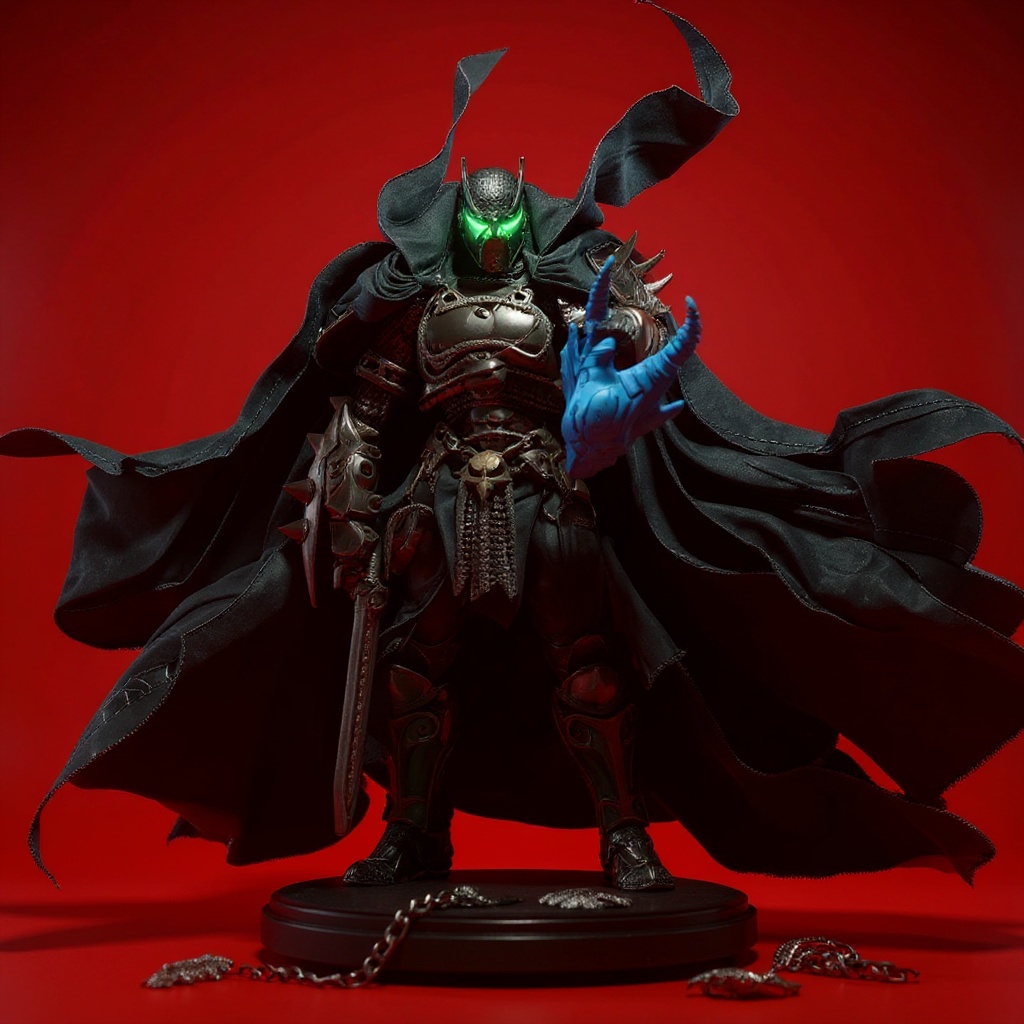
How to Shape a Wired Cape for Dramatic Poses
Most people bend the wire once, get it wrong, and give up. Don't. Here's the sequence that actually works on a dark grey or black wired cape:
1. Warm the fabric slightly with your hands before bending — cold fabric creases instead of curving. 2. Start bends at the shoulder seam, not the hem, so the whole cape reads as one motion. 3. Curl the outer edges upward first to frame the figure before touching the center panel. 4. Check the pose from camera height, not standing height — poses that look great from above often look flat in photos. 5. Lock the final shape by pressing the wire flat between your fingers for a few seconds, not just bending and releasing. 6. Let the cape rest for ten minutes before shooting. It settles slightly. Always does.
Why Wire-Enhanced Capes Transform Diorama Photography
The photography difference between stock and wired capes becomes obvious the moment you start shooting action scenes. Stock capes hang limp, creating flat triangular silhouettes that look static. Wired capes bend into billowing forms that suggest wind, movement, or supernatural power — essential for characters like Spawn) who rely on flowing cape drama for visual impact under gothic lighting.
Professional diorama builders choose wired action figure diorama cape props because they photograph with more depth and dimension than anything stock. You can curl cape edges upward to frame the figure, twist sections to catch fabric texture in the light, or freeze the cape mid-motion like the figure just landed. This is the difference between amateur shelf photos and the kind of shot that gets shared on Reddit's ActionFigures community.
For Medieval Spawn displays specifically, our Medieval Spawn 7 Inch Cape Replacement uses this exact wire-edge construction in dark grey or black fabric, stitched by hand and built to drape over or stand beside the figure under low, moody light. If you're comparing scale accessories more broadly, our 7-inch scale cape collection covers other armored figures beyond Spawn.
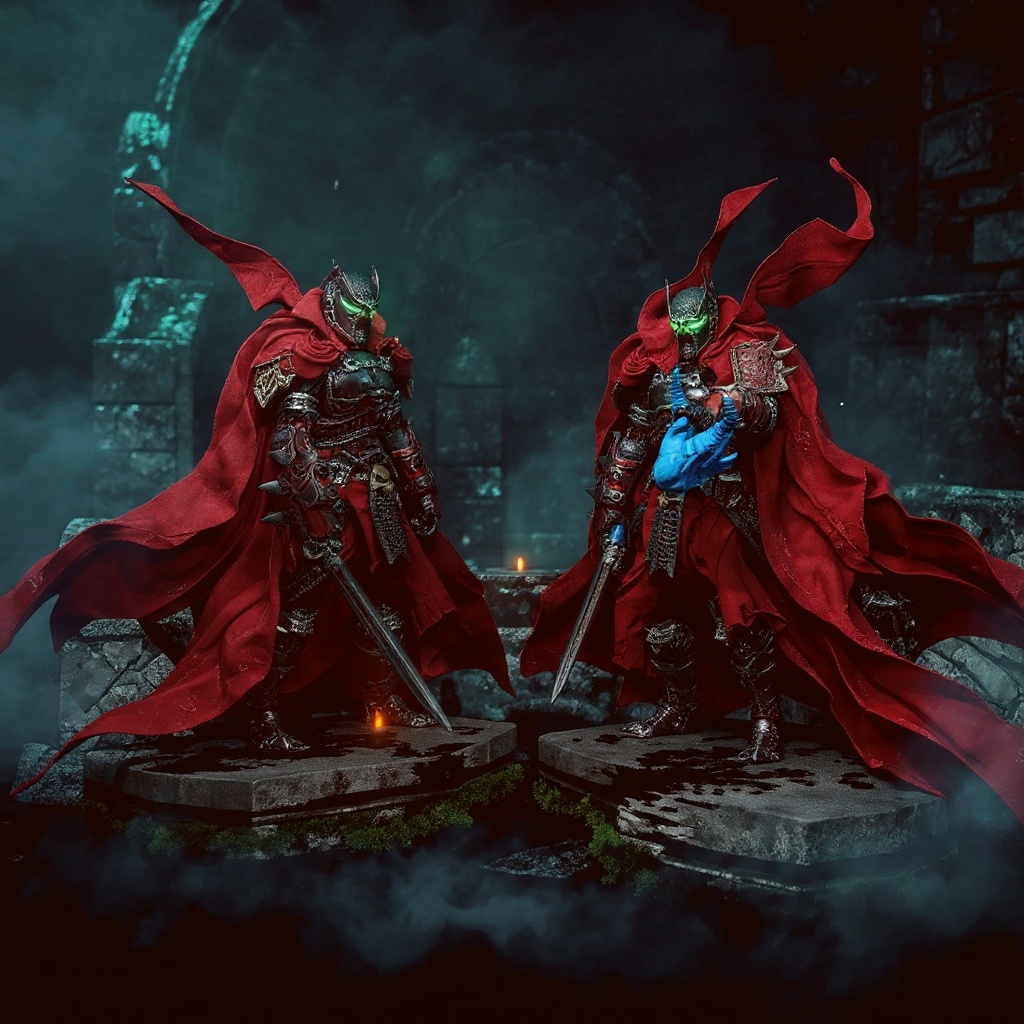
Sizing Guidelines for 7-Inch Scale Figures
Scale accuracy matters more than people expect. A cape built for 6-inch figures looks undersized on 7-inch bodies. A 12-inch cape overwhelms a smaller figure completely, wire or no wire. The 7-inch scale, roughly a 1:10 ratio, generally needs a cape prop measuring 4-5 inches long to look proportionate rather than costume-y.
| Figure Scale | Cape Length | Width | Best For | Wire Gauge Used |
|---|---|---|---|---|
| 6-inch | 3.5-4 in | 2.5-3 in | Marvel Legends, DC Multiverse | 24-26 ga |
| 7-inch | 4-5 in | 3-4 in | McFarlane, NECA | 20-22 ga |
| 7-inch (broad shoulder) | 4.5-5.5 in | 3.5-4.5 in | McFarlane armored builds | 20 ga |
| 12-inch | 7-8 in | 5-6 in | Hot Toys, Sideshow | 18-20 ga |
| 1/6 scale display busts | 8-10 in | 6-7 in | Custom bust dioramas | 16-18 ga |
McFarlane Toys figures, which dominate the 7-inch collector market, have broader shoulders and heavier proportions than most other lines. Their capes need more width across the back or you get a pinched, strangled look at the neck attachment point. Generic 7-inch cape props rarely account for this. Ours does, because it's cut specifically against a McFarlane armored torso.
Attachment Methods That Won't Damage Your Figure
Cape attachment varies a lot between manufacturers, and the wrong method damages expensive figures slowly, over months, without you noticing until a peg hole cracks. Most stock capes use small pegs that insert into holes in the figure's back or shoulders. Custom cape props typically use friendlier methods instead: fabric loops that slip over the head, magnetic clasps, or removable clips.
The safest option for valuable figures is a fabric loop sized to slip over the head without stretching, spreading weight evenly across both shoulders instead of concentrating it on one small peg point. Magnetic attachments work fine on metal-bodied figures but can snag heavily jointed shoulder articulation. Handmade capes often ship with two or three attachment options so you pick whatever matches your specific figure's build. This protects the figure. It also means you're not gluing anything, ever, which matters if you plan to resell later.
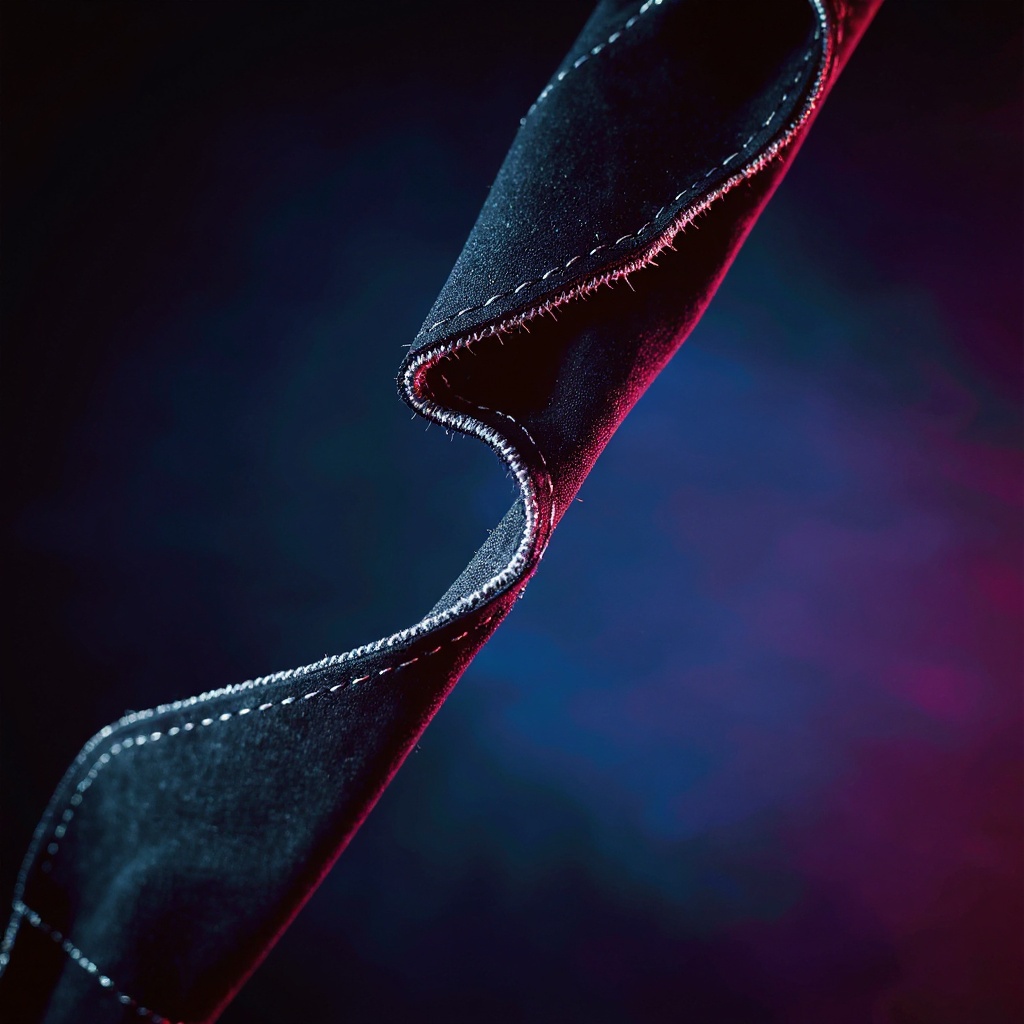
Custom vs Mass-Produced Cape Quality Comparison
The quality gap between handmade and mass-produced capes goes beyond the wire. Factory capes typically use thin synthetic fabric that photographs with an obvious plastic sheen under studio light. The stitching is often visible in the wrong way — crude, loose, fraying at the hem within a season of handling. Color matching is inconsistent too, especially when you're trying to replace a damaged original accessory and the new one comes out two shades too blue.
Handcrafted alternatives use fabric chosen for how it drapes and how it photographs, not for what's cheapest per yard. The stitching is visible on purpose — that's the handmade look collectors actually want — but it's clean, reinforced at stress points, and doesn't fray after three washes. Custom makers can also match specific color requirements that factory runs can't touch, since factory runs are locked to one dye batch.
Five Key Quality Differences in Custom Cape Props: 1. Wire gauge selected based on cape size and fabric weight, not a one-size-fits-all spec 2. Fabric chosen for realistic drape over raw material cost 3. Hand-finished seams that resist fraying through repeated repositioning 4. Color matched to the character design instead of the nearest stock dye lot 5. Multiple attachment methods so the cape fits different figure builds safely
Pricing reflects this gap. Mass-produced capes from overseas suppliers run $10-20 and offer almost no customization. Handcrafted action figure diorama cape props typically run $60-100 depending on complexity, with most landing around $80 for premium fabric and wire construction. That's the honest range. Nobody's handmaking a wired gothic cape for $25 and staying in business.
Care and Maintenance for Long-Term Display
Fabric capes need different care than plastic accessories, but proper maintenance keeps them looking sharp for years, not months. Dust is the main enemy, especially in open display cases. A monthly pass with a soft brush clears surface dust without disturbing the wire's shape. For deeper cleaning, gentle hand washing in cold water works for most fabrics, though you'll need to re-set the wire shape while the cape dries flat.
Wire fatigue only becomes a real issue with excessive repositioning of the same bend point. Quality craft wire handles hundreds of bending cycles before it weakens — mine lasted around 300 reshapes on one test piece before a single wire cracked near the hem. When that happens, the wire gets replaced without rebuilding the whole cape. That's one real advantage over molded plastic, which just cracks and stays cracked.
Storage needs more thought than a plastic cape does. Folding creates permanent creases in both fabric and wire, so hanging storage works better for anything you're not displaying right now. Humidity is the quiet killer here — a damp closet will pit the wire and stain the fabric inside a year, and no amount of hand-finishing fixes that once it happens.
Making the Investment Decision for Premium Accessories
Justifying $80 for a single action figure diorama cape prop takes some perspective. You're not just buying a piece of fabric. You're buying photography flexibility — the ability to turn a static shelf figure into something that looks like it's mid-scene, worthy of sharing on McFarlane Toys Reddit or The Toyark forums.
On resale value, I'll be straight with you: I don't have a study to point to, because one doesn't exist for handmade cape accessories. What I can tell you from my own sales is that used wired capes occasionally resell for roughly half of original retail on collector forums, when the buyer is specifically hunting for that character. That's anecdotal. Treat it that way.
For collectors running multiple displays or ongoing photography projects, the time saved not fighting a cheap cape into position every session adds up fast. Professional results need tools built for the job, and a properly wired action figure diorama cape prop is squarely one of those tools. If you're outfitting a full armored diorama, our gothic armor accessories collection has matching pieces built around the same dark, moody aesthetic.
Frequently Asked Questions
How do I dust a cloth cape on an action figure? Use a clean, dry soft-bristled brush — a clean makeup brush works fine. Sweep top to bottom in light strokes. For stubborn dust, dampen the brush slightly with distilled water, but don't soak the fabric or the wire underneath can start to rust. What is the difference between a figure and a diorama? A figure is the individual action figure. A diorama is the full scene: figure, background, props, lighting, and the cape prop that ties the pose together. Is One:12 Collective a good source for capes? One:12 Collective cuts for 6-inch bodies, roughly 1:12 scale. Put one of their capes on a 7-inch McFarlane figure and you'll get 1-1.5 inches of extra length dragging along the base — it looks borrowed, not built for the figure. Why do some McFarlane figures feel lower quality than expected? McFarlane figures use ABS plastic bodies with PVC accessories. The PVC parts can scratch and yellow within 2-3 years under regular light exposure, based on reports across collector forums. The sculpting stays sharp because it's cast once and doesn't degrade — it's the plastic finish that ages, not the detail. Can a stock action figure cape be posed like a custom wired one? No. Stock capes have no internal wire armature, so any pose falls back to a natural hang within minutes. They can't hold the bent, dramatic shapes a wired action figure diorama cape prop maintains indefinitely. What size cape fits a 7-inch action figure? Most 7-inch figures need a cape 4-5 inches long and 3-4 inches wide at the shoulders. McFarlane's broader-shouldered sculpts often need the wider end of that range, closer to 4.5-5.5 inches wide. How much should a handmade custom cape cost? Expect $60-100 for a quality handmade cape with wire armature. $80 is the common price point for premium fabric, hand finishing, and multiple attachment options. Do wired capes damage a figure's paint or joints over time? A properly built wired cape shouldn't. Look for fabric-lined attachment points and avoid designs that route stress through articulation joints. The wire should carry the cape's own weight, not transfer load onto the figure's frame. Will a wired cape work in a humid display room? Not well. High humidity speeds up wire corrosion and can leave rust stains on light-colored fabric within a year. If your display space runs humid year-round, either add a dehumidifier or stick with a lower-maintenance stock cape.Conclusion
Building an impressive display comes down to details, and cape quality is often the detail that separates amateur shelf photos from something worth sharing. The posability and photographic range of a wired fabric build justify the cost for collectors serious about their diorama work. Stock plastic capes cover basic display needs fine. They just can't deliver the dramatic visual impact that makes an action figure diorama cape prop worth the extra money in the final shot.
For Medieval Spawn collectors ready to move past stock accessories, browse our Medieval Spawn 7 Inch Cape Replacement or check the full 7-inch scale cape collection to see the construction difference up close.

