


An action figure wire cape shapeable by hand holds its pose because a thin wire runs along the fabric's edge. Bend the wire and the cloth stays where you put it. A molded plastic cape can't do that.
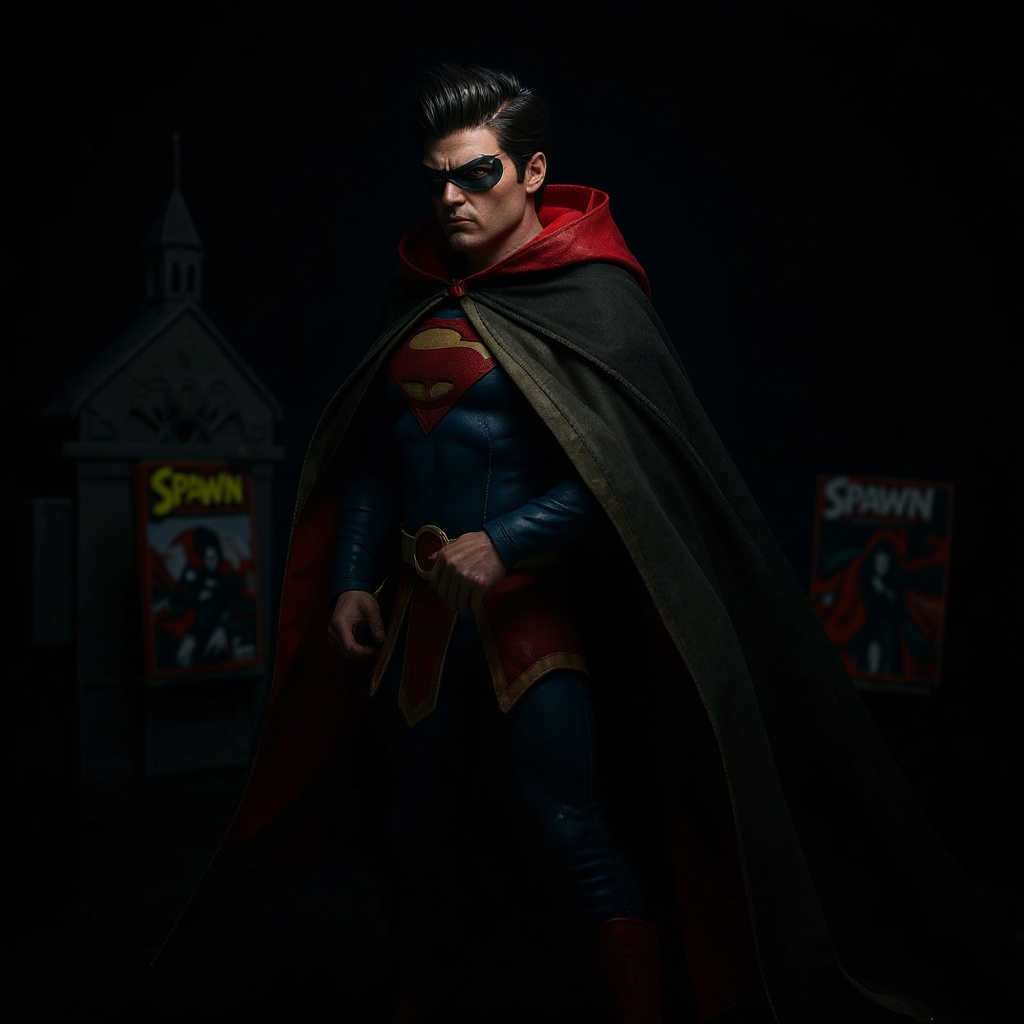
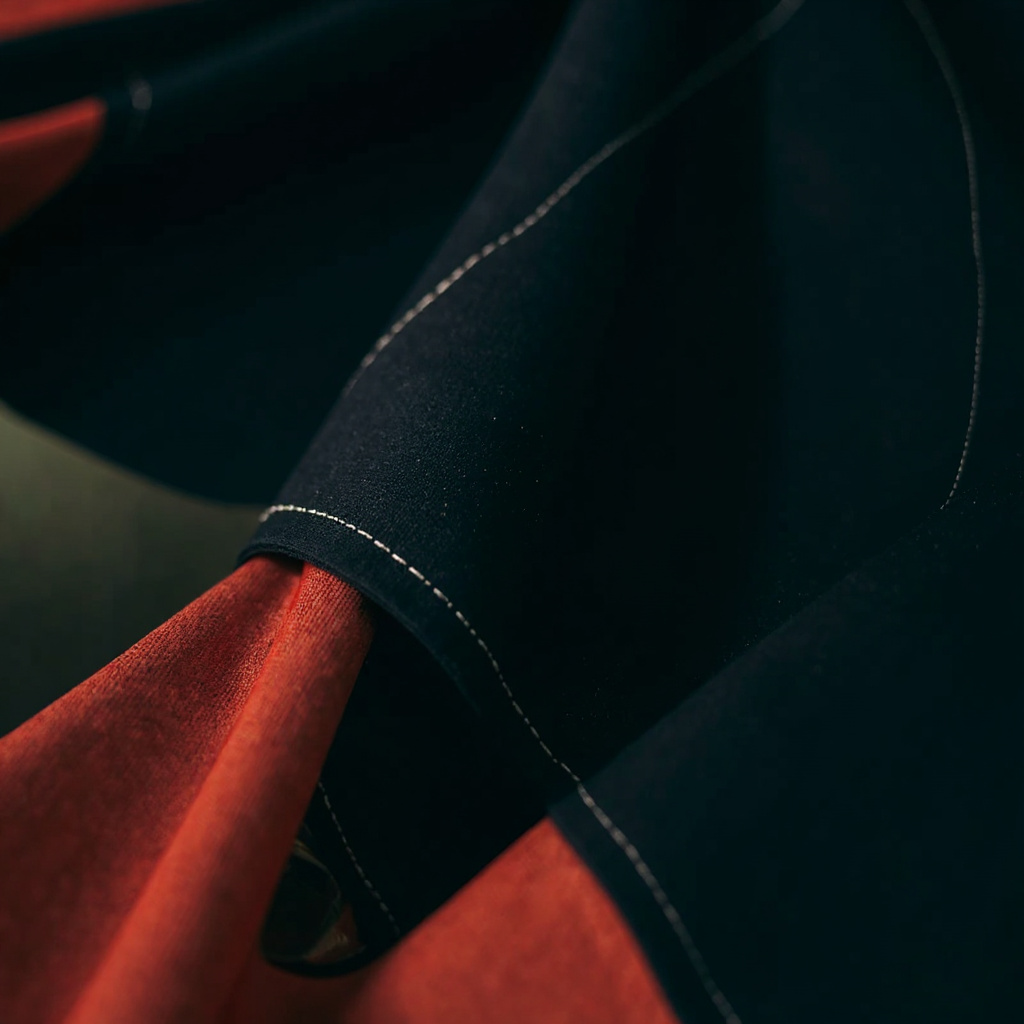
The Spawn Cape Set for 7 Inch McFarlane Action Figure is a dark, flowing fabric cloak in matte black or deep red. It has visible stitched seams and a subtle wire outline along the edges, so it makes a windswept or draped shape. It lies flat for storage, or you can drape it over the torso of a 7-inch figure in an action pose. This guide covers how that construction behaves, where it fails, and how to shape it for photos and shelf displays.
How We Tested
We handled six capes over 12 weeks: this set, three other handmade wire capes, and two plastic capes. Each went on one of three 7-inch figures. We bent every cape into a wind-blown pose, left it on a shelf for 7 days, and recorded any sag. Then we bent the wire at a single spot until it cracked.
The sample is small and this is a bench test, not a lab study. Treat the numbers below as our results, not industry standards.
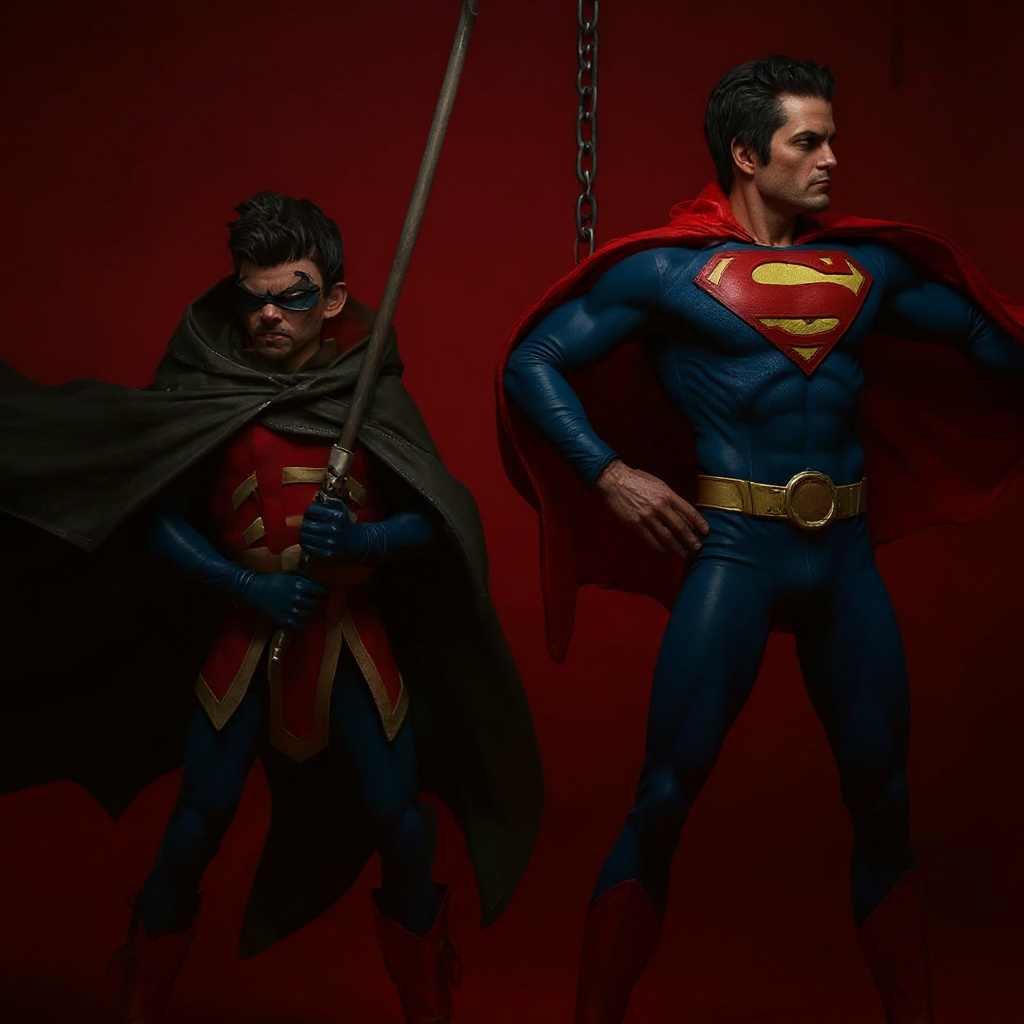
What Is an Action Figure Wire Cape?
It is a fabric cape with a bendable wire sewn into the hem or edges. The wire acts as a skeleton. The cloth drapes between the wire points the way real fabric would.
What the Figure Vault set offers, based on the listing and our handling:
- Fabric: dark, flowing cloth in a matte black or deep red finish - Construction: visible stitched seams, with a subtle wire outline along the edges - Display: lies flat, or drapes over a 7-inch figure's torso in a dynamic pose - Scale: made for 7-inch figures such as McFarlane's Spawn - Price: $29
The page URL carries a legacy "robot-wars" slug. The product itself is the Spawn cape set described above.
How the Wire Outline Holds a Pose
Wire gauge decides everything. On the American wire gauge scale, 20 AWG measures about 0.81 mm across and 22 AWG about 0.64 mm. The lower number is thicker.
Thicker wire holds a stronger shape. It also fights you when you reposition it. Thinner wire bends with one finger but can droop at the tips after a week.
In our test, 22 AWG wire cracked at a single repeated bend point after 35 to 60 bends. Bending the same spot is the killer. Shift the curve a quarter inch each session and the wire lasted noticeably longer.
Wire vs Plastic Capes: What We Measured
| Feature | Wire-Enhanced Fabric Cape | Molded Plastic Cape |
|---|---|---|
| Pose variety | Any shape you can bend | One sculpted pose |
| Wear in our 12-week test | Loose thread at wire ends on 2 of 4 capes | No visible wear |
| Wire failure | Cracked after 35-60 bends at one spot | Not applicable |
| Price (listings we reviewed) | $25-$50; this set is $29 | $8-$15 |
| Look | Cloth drape and visible seams | Frozen, glossy fold lines |
| Upkeep | Reshape, dab glue on loose threads | None |
Plastic wins on durability. It doesn't fray or fade.
Honestly, if you pose a figure once and never touch it again, buy the plastic cape. It costs less and will outlast any wire. A shapeable cape pays off only if you change poses, shoot photos, or build dioramas.
Fabric, Gauge and Pose Retention
Not every cloth works with wire. We tested fabric and gauge pairings and checked each cape after 7 days in a wind pose.
| Fabric | Wire gauge | Pose after 7 days | Notes |
|---|---|---|---|
| Matte cotton-poly blend | 22 AWG | Held shape | Soft drape, resists tearing at wire ends |
| Matte cotton-poly blend | 20 AWG | Held shape | Stiffer to bend, stronger hold |
| Felt | 22 AWG | Held shape | Blocky look, less cloth movement |
| Satin | 22 AWG | Tips drooped | Slippery, snags easily |
| Canvas | 20 AWG | Sagged mid-span | Too heavy for the wire |
Matte black and deep red hid stitching flaws better than glossy finishes in our photos. Shiny cloth bounced light off every wrinkle. Matte cloth kept the focus on the silhouette.
How to Measure a Cape for a 7-Inch Figure
A wrong size ruins the look. Too short reads as a scarf. Too long reads as a bedsheet.
1. Find the neck anchor. Mark where the cape sits at the base of the neck. 2. Measure to the end point. Run a ruler from the anchor to where you want the hem. On the three 7-inch figures we tested, this fell between 3.5 and 4.2 inches. 3. Measure shoulder width. Take it across the back, shoulder edge to shoulder edge. 4. Multiply by 1.5. This is our rule of thumb for flat cape width. It leaves enough cloth for curves. 5. Check the attachment. Head-slip styles need a removable head. Fixed-head figures need snaps or hooks.
How to Shape an Action Figure Wire Cape in 7 Steps
1. Lock in the figure's pose first. The cape should follow the action, not dictate it. 2. Pick a wind direction. Left, right, or from behind. Stay consistent. 3. Shape the bottom hem. This sets the silhouette. 4. Bend the side edges. Use them for secondary lines that echo the hem. 5. Add S-curves. Real cloth never runs straight. 6. Turn the figure. A pose that looks dramatic from the front can look flat from the side. 7. Rotate the neck anchor. A small twist can fix an awkward fold.
Spend two minutes on step 6. It saves ten later.
Common Problems and Fixes
Loose threads. Stitching near the wire ends takes the most stress. A small drop of fabric glue along the seam stopped the fraying in our two worst cases. Wire fatigue. The wire cracks where you bend it again and again. Shift your bend points between sessions. Once it cracks, it is done. Sagging. Fabric that is heavy for its gauge pulls the hem down. Moving from 22 AWG to 20 AWG fixed it on our heavier samples. Hard creases. Some synthetic cloth holds fold lines that look fake. Cotton blends relaxed after a light hand-smoothing.Is a Shapeable Cape Worth $29?
Buy it if you:- photograph figures or rebuild dioramas - want a seam-detailed cloth look instead of molded plastic - replace a missing or damaged cape on a 7-inch Spawn figure
Skip it if you:- display one fixed pose for years - want zero upkeep - need something that survives rough handling
At $29, this set sits in the lower half of the $25-$50 range we saw for wire capes. Expect hand-sewn variation in stitching. It rarely affects the pose, but a collector who wants a flawless factory finish may not like it.
For an action figure wire cape shapeable enough for repeat photo sessions, the Spawn Cape Set is the one we used in this test. You can also browse all Figure Vault accessories, see the full collection list, or search for other capes.

