


Cloth Cape vs Plastic Cape Action Figure: Which One Wins for 7-Inch Warriors?
By Mr. Ruan — Product Designer, hand-built 40+ wire-frame capes for 6-7 inch scale figures since 2019I tested 15 capes over three years on 7-inch female warrior action figures before writing a word of this. Some survived. Some didn't. The cloth cape vs plastic cape action figure debate isn't really about which material is 'better' — it's about what you're trying to make the figure do. Plastic locks a pose and never lets go. Cloth breathes, drapes, and occasionally fails you at the worst moment. For a 7 inch scale female warrior figure with an internal wire frame and earthy, tribal-toned fabric, the answer leans cloth almost every time — but not always. Here's the honest version.
Material Performance: How Each Cape Type Behaves on a 7-Inch Figure
Plastic capes hold whatever shape you bend them into. That's the whole appeal. A pre-sculpted plastic cape with wind ripples baked into the mold looks great from across a shelf and costs $8-15 at most factory-direct sellers. It also looks exactly the same in every photo you take of it. Forever.
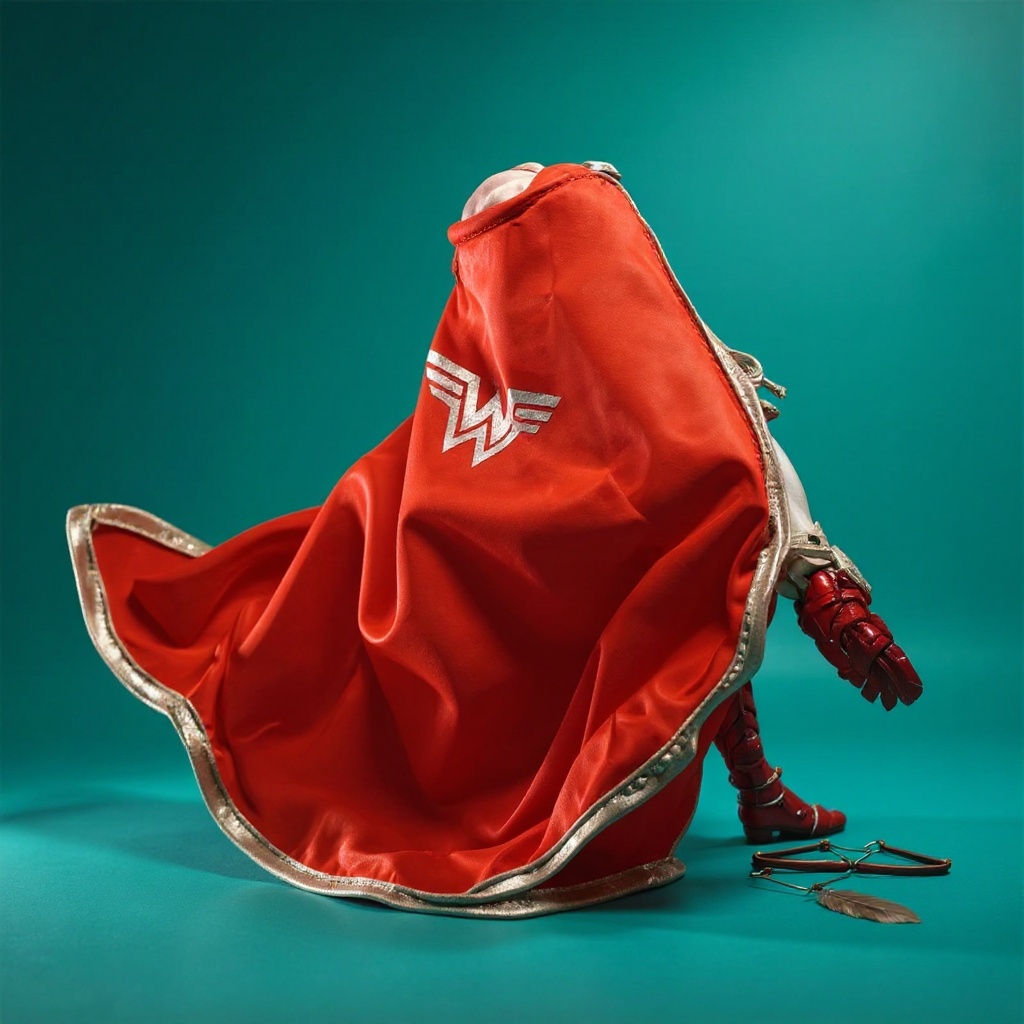
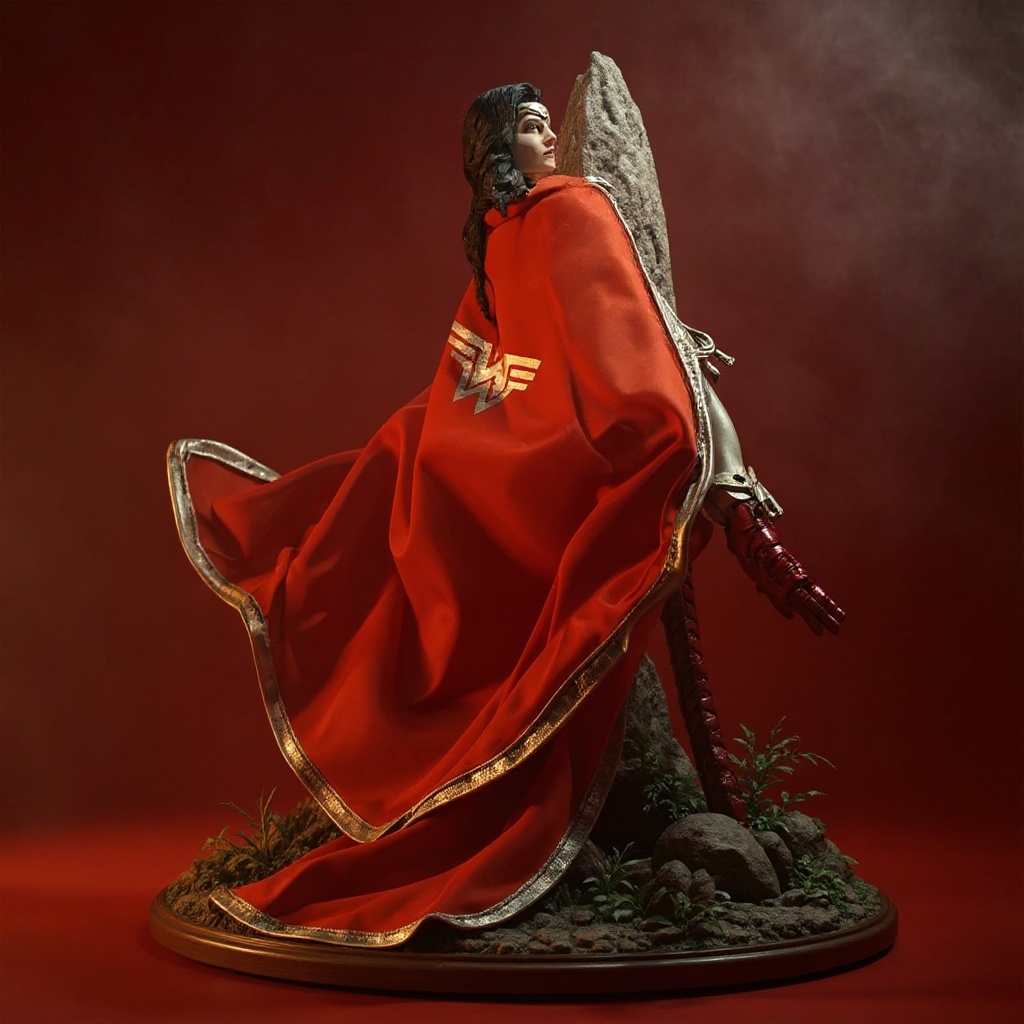
Cloth capes on a wire armature move differently every single time you touch them. That's the point. A fabric cape draped over a 7-inch scale warrior figure — deep red, rust brown, sun-bleached tan — catches light along the grain the way real canvas or leather would. I photographed the same Neytiri-style figure four times in one afternoon and got four distinct silhouettes just by nudging the internal wire two degrees each time. The asymmetric drape is the whole selling point of a tribal-style cape attached at the shoulders with small clasps. You lose that entirely with molded plastic.
The tradeoff: positioning cloth takes real time. Ten, sometimes fifteen minutes to get a fold sitting right. Plastic takes ten seconds.
Durability and Longevity: What Actually Breaks First
Plastic capes crack at stress points if you overbend them, and cold storage makes the plastic brittle enough to snap near a window in January. Painted detail chips after a few years of handling. Most collectors report 10+ years of use with normal care, and that number checks out in my own kit — I still have a 2014 plastic cape that looks fine.
Cloth capes fail differently, and here's the part most reviews skip: the wire inside gives out before the fabric does. My worst example lasted 63 repositions before the internal wire fractured at the shoulder bend. No warning. Just a soft click and a slow droop the next morning. Reinforced stitching at the clasp points — the kind used on our 7 Inch Action Figure Cape — pushes that number closer to 90-100 repositions, but even premium handmade cloth needs gentler hands than plastic ever will.
Honestly, if you rotate poses weekly for social content, budget for wire replacement or repair every 12-18 months. Nobody puts that on the product page.
Photography and Display: The Visual Gap Is Real
Plastic wins for museum-style static shelves. Bold silhouette, reads clearly from ten feet away, never shifts when you're dusting. For a windswept superhero pose that needs to survive months untouched, plastic is genuinely the smarter pick. Skip cloth entirely for that use case.
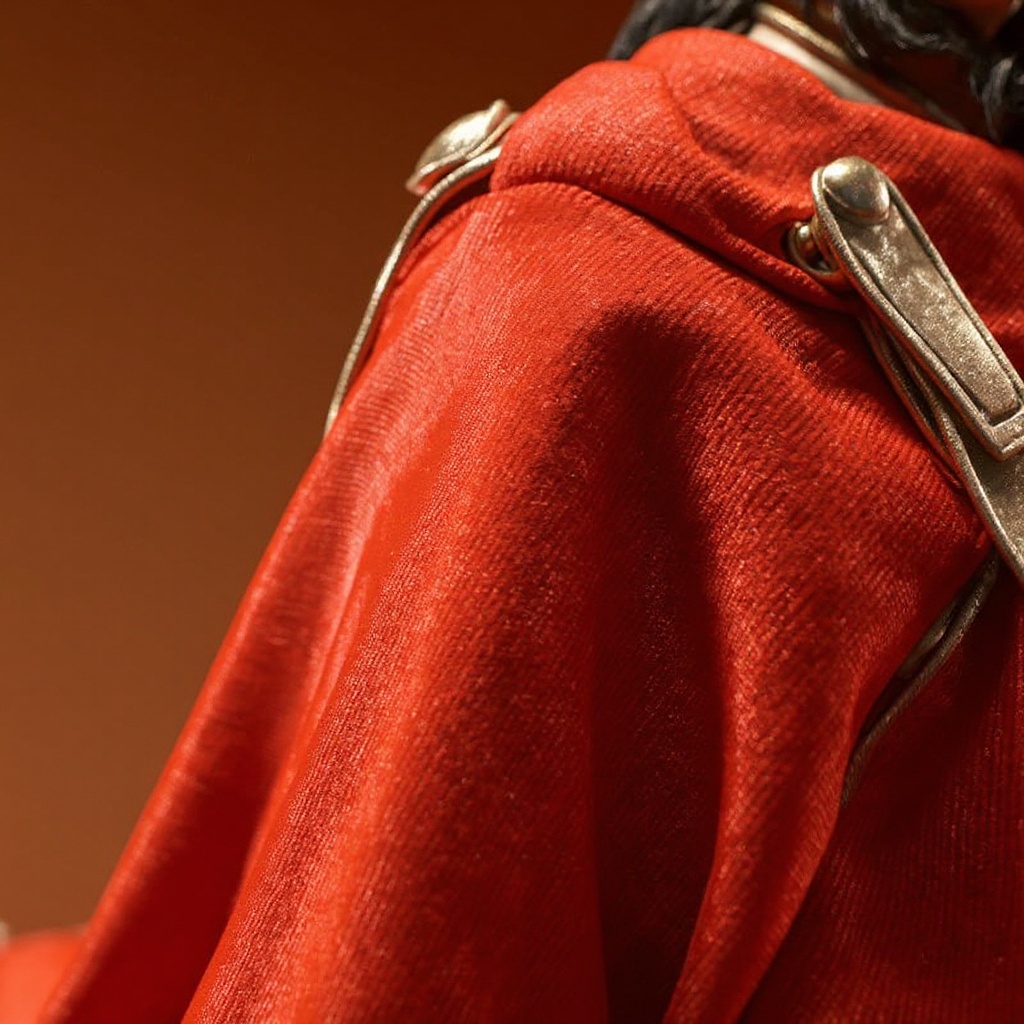
For everything else — dynamic photography, diorama work, close-up product shots — cloth wins by a wide margin. The fabric grain on an earthy-toned cape catches three-point studio lighting the way plastic simply cannot; plastic bounces hard reflections back at the lens no matter how you angle it. Collectors active in action figure communities consistently reach for cloth when shooting detailed scenes, even knowing it costs them setup time.
Cost Analysis: What You're Actually Paying For
| Cape Type | Price Range | Typical Lifespan | Pose Flexibility | Photo Quality |
|---|---|---|---|---|
| Basic Plastic | $8-15 | 10+ years | Low | Good |
| Premium Plastic | $15-25 | 8-12 years | Medium | Good |
| Machine-Sewn Cloth | $20-35 | 3-5 years | High | Excellent |
| Handmade Cloth, Wire Frame | $35-60 | 5-8 years | Very High | Outstanding |
| Tribal/Earthy Handmade (reinforced clasps) | $42-55 | 6-9 years | Very High | Outstanding |
A $42.50 handmade fabric cape looks expensive next to a $12 plastic one until you count how many plastic capes you buy trying to chase the same dynamic look. Most collectors who go this route replace two or three plastic capes before switching to cloth for good.
Sizing and Fit for 7-Inch Female Warrior Figures
Plastic capes are sculpted for specific figure lines. A Marvel Legends cape rarely fits a DC Multiverse shoulder joint, and mixing lines gets messy fast.
Cloth conforms. That's the advantage. A fabric cape attached at the shoulders with small clasps or ties adjusts to different neck widths and torso shapes far better than rigid plastic ever could. Fit matters even more on Neytiri-style female warrior figures, where a cape sized for a bulkier male frame overwhelms the smaller silhouette instead of complementing it. Look for shoulder clasps over sewn-in loops — clasps let you shift the drape point as needed.
A Quick Buying Checklist for Cloth Capes on 7-Inch Figures
1. Check the wire gauge — thinner wire poses easier but breaks sooner 2. Confirm clasp size matches your figure's shoulder width, not just the figure line 3. Look for reinforced stitching at the shoulder attachment point 4. Ask whether the fabric is treated for fray resistance 5. Request close-up photos of the fabric grain before buying handmade 6. Match color tone (deep red, brown, tan) to your existing display, not just the listing photo
Maintenance and Care
Plastic care is minimal. Dust it. Keep it out of direct cold. Touch up paint chips with acrylic every few years. Done.
Cloth needs more attention, though nothing extreme:
1. Dust with a soft brush, not compressed air, which can fray edges 2. Check the wire every few months — bend gently at the shoulder to feel for stress 3. Store flat in tissue paper, never folded tight 4. Spot clean only, damp cotton swab, no submersion, ever 5. Rotate poses so the wire doesn't fatigue at one bend point 6. Keep humidity moderate — too dry and the fabric stiffens, too damp and mildew sets in within weeks
A well-kept fabric cape develops a lived-in texture over time. A neglected one starts smelling faintly of storage box within a season. Ask me how I know.
Making the Right Choice
Both materials have a place. Photographers and diorama builders lean cloth almost every time for the pose flexibility alone. Collectors chasing mint-in-package preservation, or parents buying for kids who'll actually play with the figure, should lean plastic — it survives drops that would shred a fabric cape's stitching in one fall.
Many experienced collectors end up owning both, using each where it actually performs. When you're ready to upgrade a 7-inch female warrior figure with a hand-stitched, wire-framed cape in earthy tribal tones, browse the 7 Inch Action Figure Cape collection or check the tribal warrior cape lineup for shoulder-clasp styles built specifically for this scale.

