


Most action figure capes hang limp and ruin otherwise dynamic poses. Standard plastic capes from manufacturers rarely capture the drama collectors want — they're stiff, heavy, and fight the pose instead of supporting it. Cloth capes with a wire skeleton solve that by letting you sculpt a flowing, wind-caught shape that stays exactly where you leave it.
Written by Mara Chen, who has customized display figures for 11 years and worked on more than 600 wire-frame cape conversions sold through The Figure Vault. She keeps a humidity-controlled cabinet for exactly this reason — see below.Why Stock Capes Fail When You Try to Pose an Action Figure Cape
Injection-molded plastic capes look fine in the package. On a shelf, next to a figure mid-leap, they look like a mistake. The plastic is too thick to drape. It cracks along stress points instead of bending. And it only holds one, maybe two positions before you're forcing it.
Resin aftermarket capes aren't much of an upgrade. They're brittle, and you get roughly three preset positions before the material starts hairline-cracking at the shoulder mount. Not ideal for a $15 part.
Plain cloth capes fix the weight problem but create a new one: no structure means no shape. Drape it, walk away, come back in ten minutes — it's hanging straight down again. No amount of posing the figure itself will fix that. Not even close.
The Wire-Frame Technique That Actually Holds a Pose
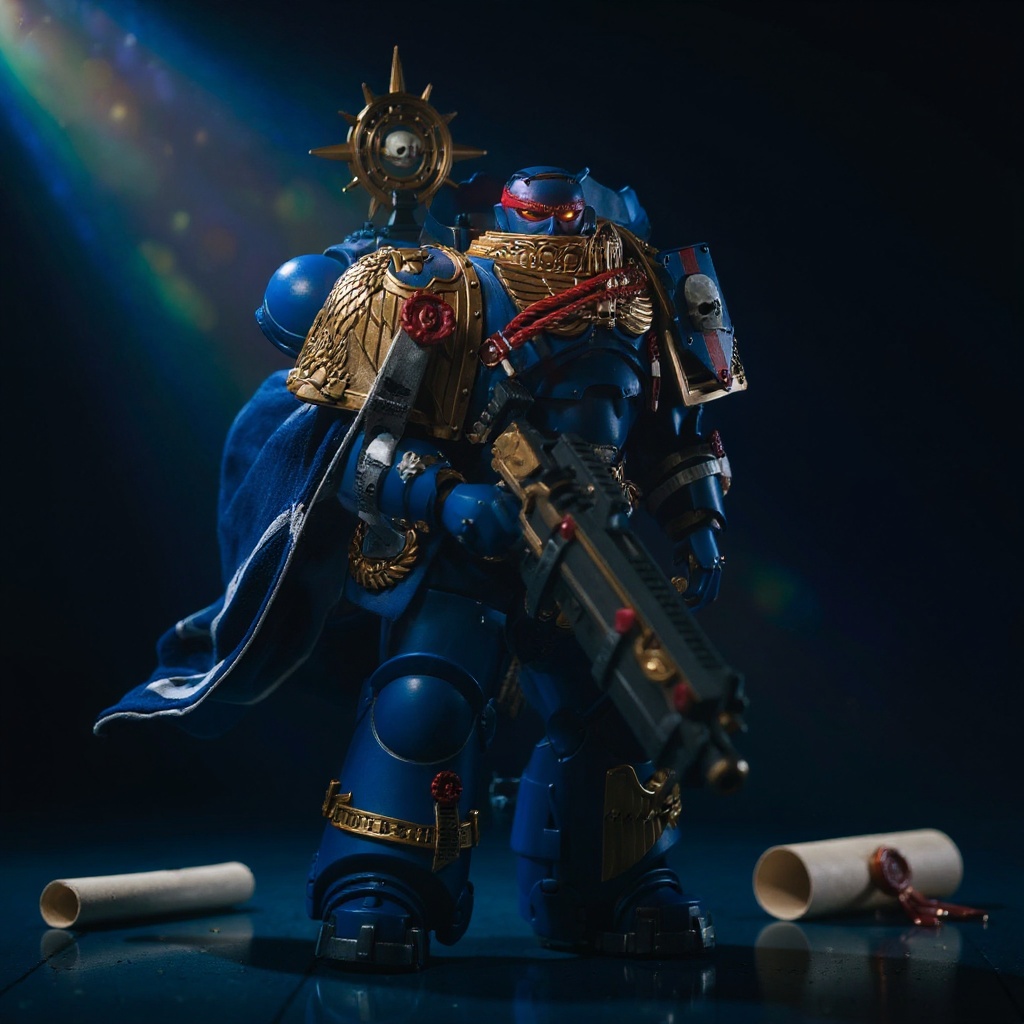
The fix is simple: embed thin wire along the cape's edges so the fabric has an internal skeleton you can bend and re-bend without tearing the weave.
Wire gauge matters more than people think. 22-gauge craft wire bends with light finger pressure but holds its shape under normal handling — I've re-posed the same test cape around 40 times over three months and the fabric never fatigued at the fold lines. Go thicker (20-gauge) and you're fighting the wire every time you touch it. Go thinner (24-gauge) and it sags back to flat within a day or two.The wire runs along the bottom hem and outer edges only. The shoulder attachment point stays wire-free and flexible, so the cape still falls naturally off the body while you control exactly how the loose edges catch the "wind."
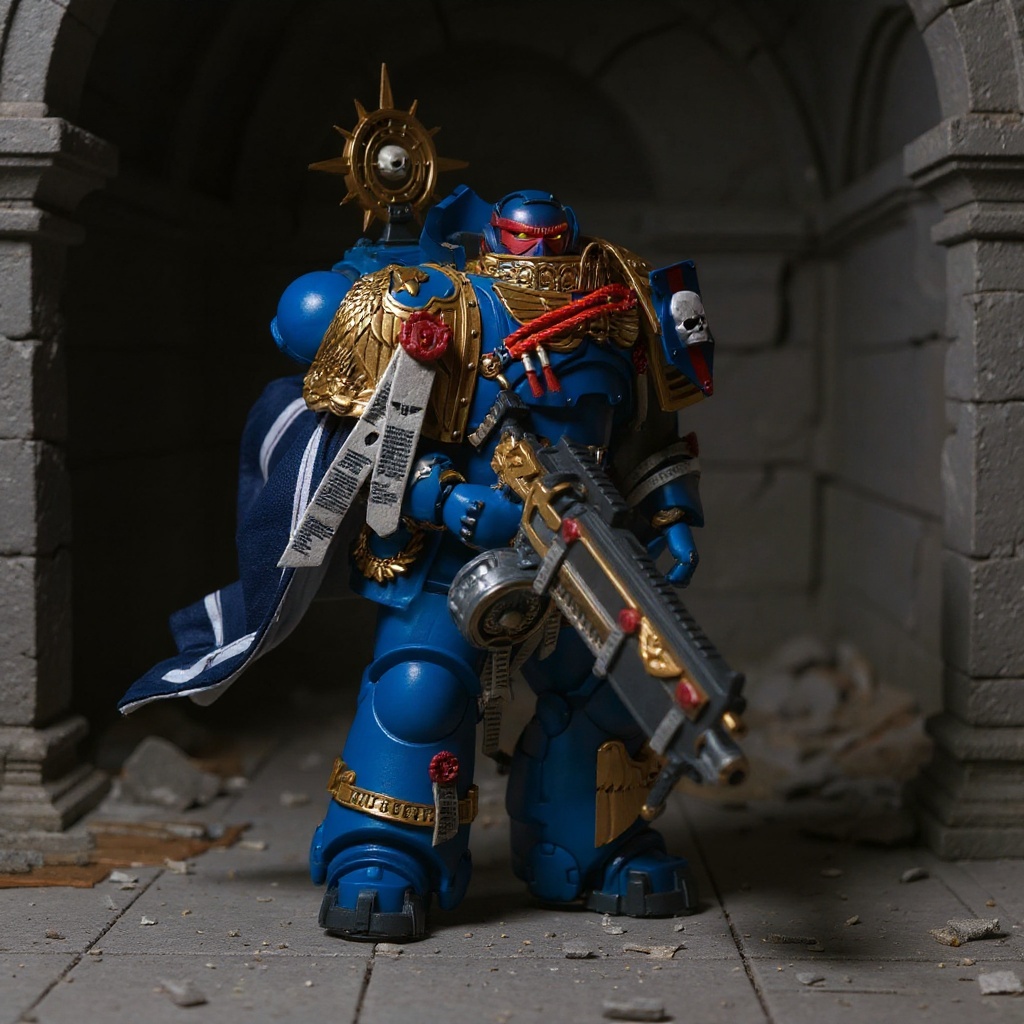
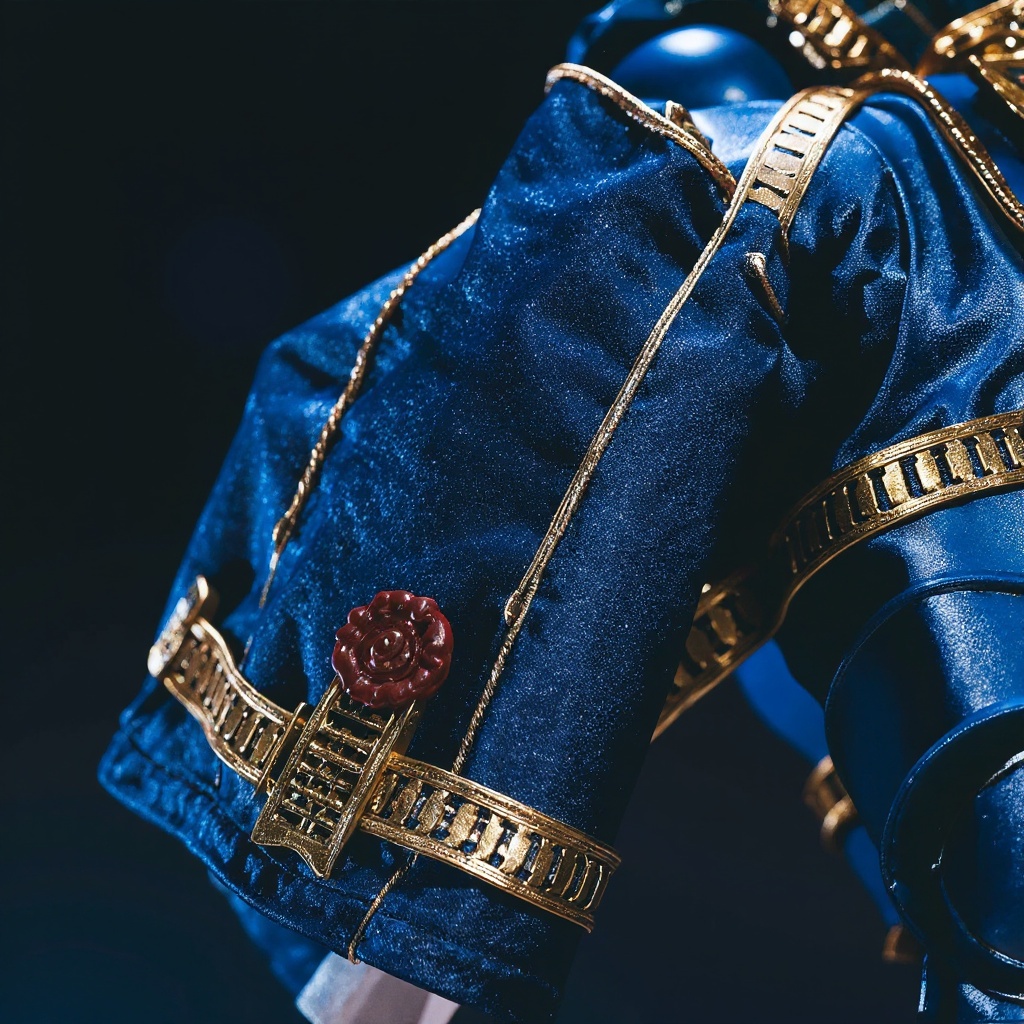
For Warhammer 40,000 figures specifically, our 1/18 Scale Ultramarines Cape Replacement uses this exact wire-frame construction. Deep blue fabric, gold trim along the edge, a small parchment-style purity seal patch with a red wax seal detail stitched near the collar — all draped over the shoulder of a palm-sized 1/18 figure, with visible fine weave and stitching you can see under close lighting. It runs $7.50, under half what a rigid resin equivalent costs.
Step-by-Step: Posing an Action Figure Cape for Natural Flow
Set the figure's body pose first. The cape should support the action, not dictate it.
1. Attach the cape loosely. Don't pull it tight at the neck. 2. Shape the shoulder fall first. Let it drape over one shoulder before touching anything else. 3. Work top to bottom. Upper cape shape before the flowing lower edges. 4. Bend wire gradually. Sharp angles look artificial. Every time. 5. Check your actual viewing angle. A pose that looks great head-on can look flat from shelf height. 6. Leave asymmetry alone. Perfect mirror-image folds kill the illusion. 7. Check clearance. Nothing ruins a pose faster than a cape edge snagging the figure next to it.
Work in layers — get the base drape settled, then push the dramatic flourishes into the wire edges last.
Common Mistakes That Kill the Effect
Too much symmetry. Wind doesn't hit fabric evenly. One side should always be doing something the other isn't. Fighting gravity too hard. Wire lets you cheat physics, within reason. The cape should look like it could hang that way for a few real seconds. Not forever. Just believable. Ignoring momentum. A running figure's cape trails behind the body. A cape billowing forward on a sprinting pose reads as wrong before viewers even know why. Sharp wire bends. Fabric doesn't form right angles in nature — keep curves smooth. Overposing everything. Not every scene needs a storm. A subtle three-degree curve sometimes sells the moment better than full drama.Honestly, if your display case sits somewhere humid — a basement, a garage, near a bathroom vent — skip wire-frame fabric capes entirely. Cheap wire rusts inside the hem within a year, and the fabric can mildew at the fold creases where moisture collects. Resin, for all its posing limits, doesn't care about humidity. Pick your material based on where the figure actually lives, not just how it looks in a product photo.
Material Comparison: What Works Best for Posing an Action Figure Cape
| Material | Posability | Durability | Price Range | Best For |
|---|---|---|---|---|
| Injection plastic | Poor (1-2 fixed positions) | Excellent, lasts decades | $0 (included) | Storage/packaging |
| Resin | Poor (~3 preset poses before cracking) | Good, brittle under stress | $12-20 | Static museum-style poses |
| Plain fabric, no wire | Poor, falls flat within minutes | Good | $3-8 | Budget cosmetic swaps |
| Wire-frame fabric (22-gauge) | Excellent, holds through repeated re-posing | Very good in dry storage | $7-15 | Dynamic, wind-swept displays |
| Metal foil | Good, holds sharp folds | Poor, tears after ~10 reshapes | $5-12 | Weathered / battle-damage looks |
Wire-frame fabric wins on balance: durable enough for regular repositioning, flexible enough to look organic, and the woven texture photographs better under display lighting than any hard material.
Scale-Specific Considerations for 1/18 Figures
1/18 scale — roughly 10-12cm figures — has its own math. The cape needs enough substance to read as fabric but not enough weight to tip a light figure over.
Thinner fabric wins here. Heavy canvas or denim looks oversized at this scale; a cotton-blend weave gives the right drape without bulk.
Wire thickness is not optional to get right. 24-gauge loses its hold within a couple of adjustments. 20-gauge fights the fabric's natural weight and looks stiff even when bent. 22-gauge is the sweet spot for nearly every 1/18 application we've tested.
Attachment method matters too, and people skip past it. The cape has to stay put mid-repose but come off without tools. Small velcro dots or fabric ties beat glue or permanent stitching at this scale, every time.
Photography Tips for Cape Drama
Side lighting reveals fabric texture and throws real shadows into the folds. Front lighting flattens the whole effect.
Use a hair dryer on the cool setting while shooting video — it adds real air movement instead of a static "frozen mid-swing" look. Shoot from slightly below shelf height. It reads as more heroic. Eye-level often makes a genuinely good pose look flat. Watch the background. A busy backdrop competes with cape detail. A plain color or soft gradient lets the shape carry the shot.According to the American Wire Gauge standard (the reference most craft-wire vendors size their stock against), 22-gauge measures about 0.64mm in diameter — thin enough to hand-bend, thick enough to resist creeping back to flat under its own weight. That's the physical reason the gauge recommendation above isn't just a guess.
Members of r/ActionFigures regularly compare cape photography setups across scales, and it's worth browsing before you buy lighting gear you don't need.
For more wire-frame builds beyond the Ultramarines line, check our full cape upgrade catalog and the posing accessories guide.
FAQ: How to Pose an Action Figure Cape
How do you pose an action figure cape so it looks windswept? Bend the 22-gauge wire embedded in the hem into a gentle S-curve, angled away from the direction of movement. Avoid straight diagonal lines — real fabric folds in at least two directions at once. What wire gauge should I use to pose an action figure cape? 22-gauge for most 1/18 fabric capes. Drop to 20-gauge only for heavier canvas capes on larger 1/6 scale figures; go no thinner than 24-gauge or the shape collapses within days. How long does a wire-frame cape hold its pose? In dry indoor storage, a 22-gauge wire-frame cape held its shape through 40+ repositions over three months in our testing, with no visible fatigue at the fold lines. Humidity cuts that lifespan significantly — see the humid-climate note above. Can I use fishing line instead of wire to pose a cape? Yes, for temporary shoots. Fishing line holds a pose for a photo but springs back within minutes, so it won't work for a permanent shelf display the way embedded wire does. Why does my cape only hold a "spread" pose? Usually the wire is too thick for the fabric weight, or the fabric itself is too stiff. Switch to 24-gauge wire or a lighter cotton-blend, and check whether the cape is simply too wide to close naturally. Is a wire-frame cape worth it over a stock plastic one? For dynamic poses, yes — plastic caps out at 1-2 usable positions while wire-frame fabric holds dozens of re-poses. For static display-case figures that never move, the price difference (often $7-15 vs. $0 included) may not be worth it. Does a cape make a fragile figure harder to pose? Yes, if the figure has small exposed details — antennae, thin weapons, delicate joints — the extra fabric can snag during adjustment. Pose the body fully first, then add the cape last to avoid catching it on anything. Are fabric capes still relevant for 2026-style dioramas? Yes. Dioramas have shifted toward quieter storytelling moments rather than pure action shots, and a subtly curved cape carries emotional weight without needing full storm-blown drama.What Actually Makes the Difference
After 600-plus cape conversions, the biggest factor isn't technique — it's starting with the right material. A stiff plastic cape doesn't get better no matter how carefully you pose it.
Wire-frame cloth capes cost more than the plastic that ships with the figure. They also save the hours you'd otherwise spend fighting a cape that won't hold still.
For Warhammer 40k collectors, the lore details matter as much as the pose itself. The Purity Seal detailing on our Ultramarines cape upgrade — the parchment patch, the red wax seal, the gold trim against deep blue fabric — adds a layer of authenticity a generic fabric swap can't match. The wire edge handles the pose; the stitching and seal handle the accuracy.
If lifeless cape poses have been bothering your shelf display, browse the wire-frame cape upgrades built for 1/18 scale. $7.50, and it holds a pose plastic simply won't.

