


What's the right replacement outfit for anime figure body types in 1/12 scale? Start with a suit built for a 6-inch frame, wire in the sleeves, and fabric that doesn't hang like a bedsheet. Everything else is details.
Most collectors skip the measuring tape and guess. Then they wonder why a $35 outfit looks baggy on a $200 figure. I've spent six years customizing 1/12 figures for conventions and photo shoots, mostly tactical and mecha-pilot suits like the ones in Kaiju No. 8, and the fit problems always trace back to the same two things: scale mismatch and fabric that won't hold a pose.
1/12 scale means your figure stands roughly 6 inches tall. That's the starting point for any replacement outfit for anime figure body work, and skipping it costs you money.
Check Your Figure's Scale Before You Buy
Scale matters more than people admit. A 1/12 outfit won't fit a 1/10 figure, even if they look nearly identical sitting side by side on a shelf. The proportions are off by about 20%, which sounds small until the sleeves stop at the wrist instead of the knuckle.
Here's how scales translate to real measurements:
| Scale | Height Range | Chest Width | Shoulder Width | Common Figure Lines |
|---|---|---|---|---|
| 1/12 | 5.5-6.5 inches | 1.2-1.4 inches | 1.8-2.0 inches | SH Figuarts, Figma, Revoltech |
| 1/10 | 6.5-7.5 inches | 1.4-1.6 inches | 2.0-2.2 inches | Some Kotobukiya kits |
| 1/8 | 8-9 inches | 1.8-2.0 inches | 2.5-2.7 inches | Alter, Good Smile scale figures |
| 1/6 | 11-12 inches | 2.4-2.6 inches | 3.4-3.6 inches | Hot Toys, Enterbay |
Most action figures from SH Figuarts, Figma, and Revoltech stick to 1/12. But some "6-inch" figures actually measure closer to 7 inches once you include the head sculpt. Always measure your specific figure before ordering a replacement outfit for anime figure body proportions you assumed but never checked.
I've watched collectors buy outfits off the box description alone. Don't. Pull out a ruler and check torso width at the chest — that's where most fit issues happen, and it takes maybe 20 seconds.
Wire-Shapeable Fabric Changes Everything
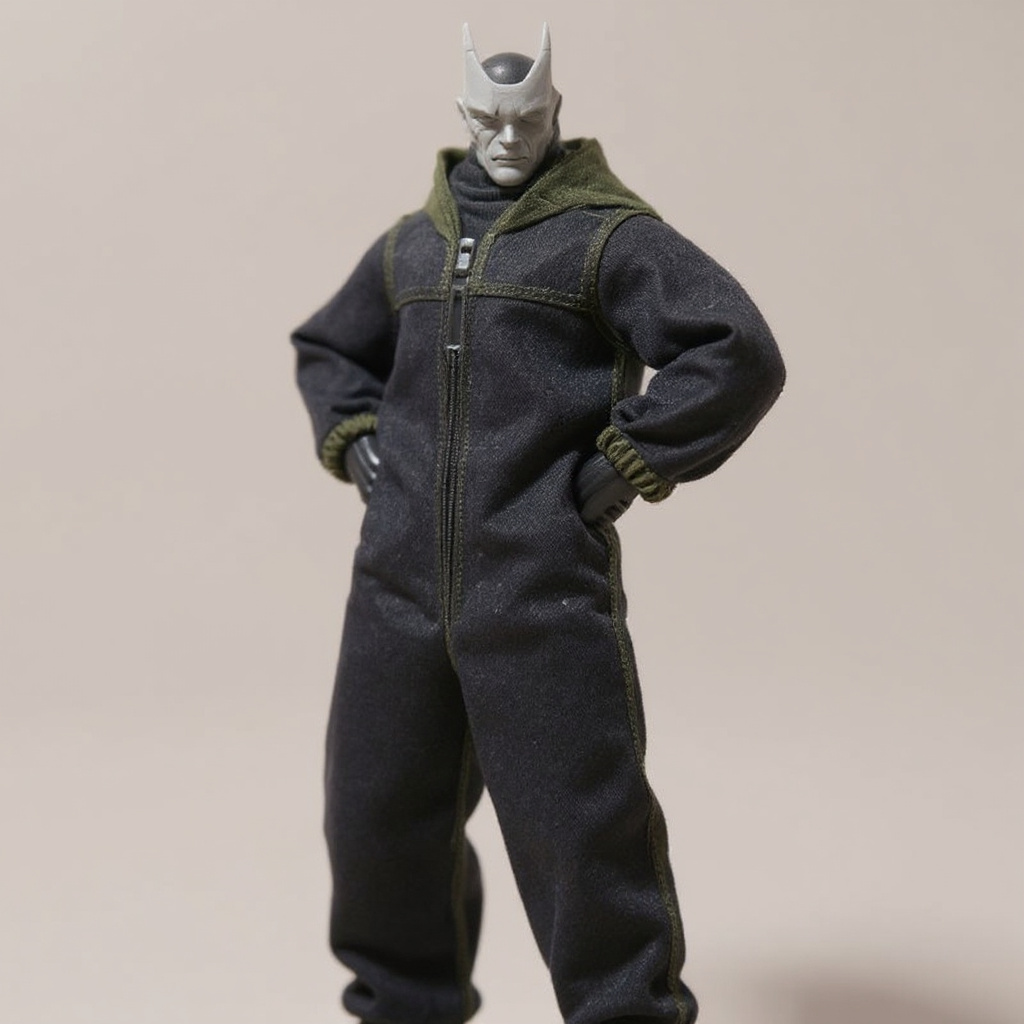
Standard cloth outfits hang like tiny bedsheets. Flat. Lifeless. Wire-embedded fabric holds poses and creates draping that actually looks right in photos, which matters more than it should once you start posting your figures online.
The wire runs along key stress points — usually the sleeves, pants legs, and sometimes the torso seams. You bend it into an action pose and it stays there, at least for a while, and that's the whole appeal of choosing a wire-posable replacement outfit for anime figure body customization over a plain cloth one.
Our Kaiju No. 8 Reno Ichikawa Protective Suit uses this build. The tactical suit runs bendable wire through the sleeves and legs, so you can pose Reno mid-action instead of standing there like a mannequin in a costume.
But wire has limits. Bend it too many times and it snaps. No warning. No do-overs. Most wire-embedded outfits give you 50-75 pose adjustments before the high-flex areas show fatigue — after that, the joint holds a slight kink no matter how you straighten it.
Match the Character's Actual Design
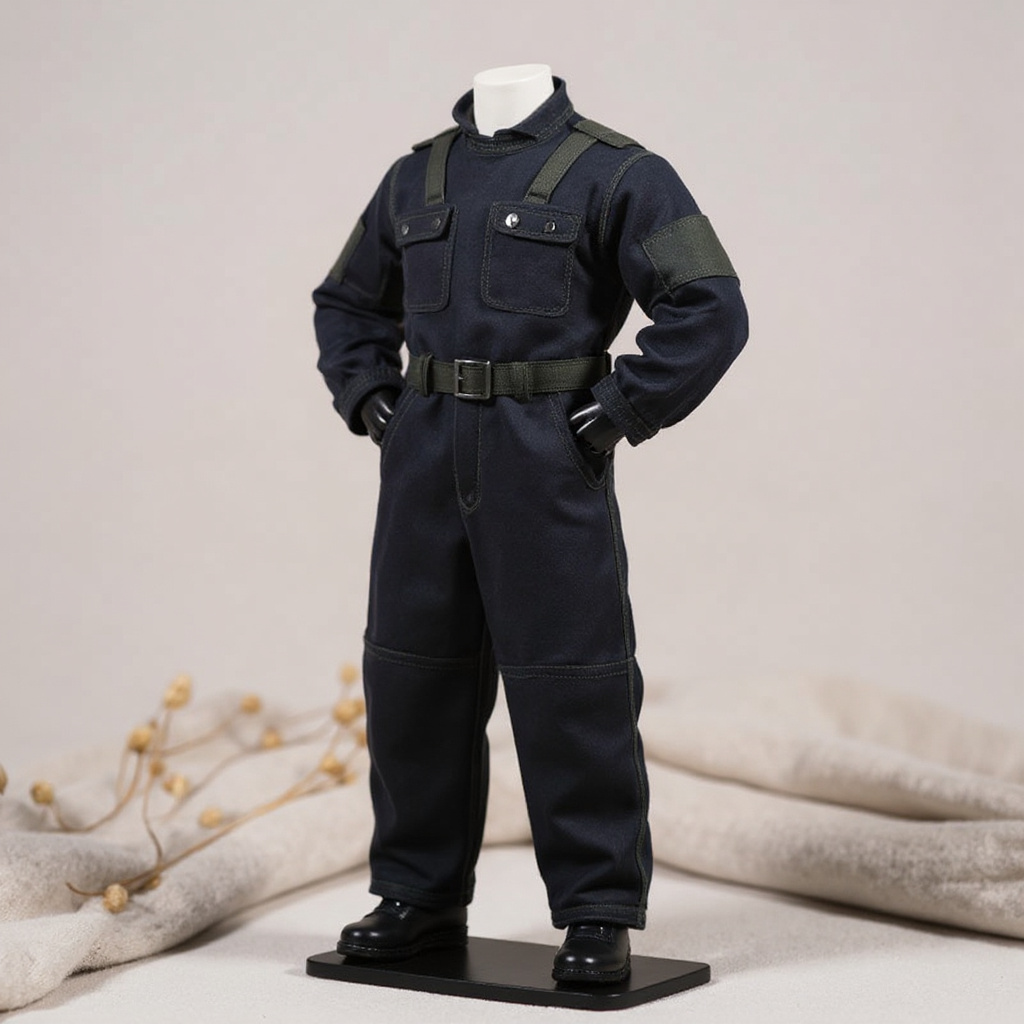
Screen accuracy separates a good replacement outfit for anime figure body swaps from a great one. Kaiju No. 8's protective suits carry specific details — chest buckles, cuff straps, and a dark tactical color scheme in muted navy, black, and olive rather than plain military green.
Generic "tactical" outfits miss these character-specific elements. They look fine from three feet away. Wrong up close. Reno's suit isn't just dark fabric draped over a frame — it's fitted with closure points and proportional detailing that matches the manga art, right down to where the buckle sits relative to the collarbone.
Here's what to check for character accuracy:
1. Color matching — not just "dark," but the correct shade of navy-olive-black 2. Closure details — zippers, buckles, and strap placement at chest and cuffs 3. Fabric texture — matte cloth versus glossy synthetic, smooth versus ribbed 4. Fit style — fitted tactical versus loose military versus oversized costume 5. Joint visibility — a slight wire outline at elbows and knees reads as "real gear," not a costume
The difference shows up in photos immediately. A screen-accurate outfit reads as "that character." A generic one reads as "figure wearing a costume."
Replacement Outfits for Anime Figure Bodies: Handmade vs. Mass-Produced
Handmade outfits cost more and fit better. Mass-produced ones offer consistency but skip the character-specific tailoring that makes a suit look screen-accurate instead of approximate.
1. Handmade — custom sizing per batch, screen-accurate buckle and strap placement, higher-grade fabric, wire positioned for actual posing rather than shipping display 2. Mass-produced — lower per-unit cost, uniform stitching across every unit, faster shipping, standardized sizing that assumes an average body
| Factor | Handmade ($40-55) | Mass-Produced ($25-35) | Licensed Figure Outfit ($60-120) |
|---|---|---|---|
| Fit accuracy | High, minor variance | Generic, loose | Exact, factory-molded |
| Wire posability | Yes, hand-placed | Rare | Sometimes |
| Character accuracy | High | Low-medium | Highest |
| Turnaround | 1-3 weeks (made to order) | In stock | In stock, if available |
| Stitching consistency | Slight variation | Uniform | Uniform |
At $44, handmade options like our protective suit sit between cheap generic sets and premium licensed figures. You're paying for attention to detail that a factory line skips — but honestly, if you're only ever going to photograph your figure standing still on a shelf, skip the wire-embedded fabric. It's overkill, and you'll pay for a feature you never use.
Expect some variation in handmade pieces. Stitching might sit slightly uneven in one spot. Colors can shift a shade between batches. The fit and character accuracy still beat factory production most of the time, though — that's the trade you're making.
Posing Tips That Actually Work
Cloth outfits behave differently than molded plastic. Here's what works, based on roughly 200 outfit swaps I've done on 1/12 bodies:
1. Start with the torso piece. Seat it around the shoulders and chest before adding arms or legs — fabric bunches if you adjust everything at once. 2. Bend the wire elements first, then position the figure. The outfit holds its shape better this way than if you pose the body and fight the clothing after. 3. Favor one-leg poses with tactical outfits. Fabric weight creates flow lines that read as motion; static two-leg stances look stiff unless you add torso twist. 4. Keep joint bends under roughly 90 degrees. Push past that and the fabric stretches, sometimes tears, right at the seam.
What Doesn't Work (And Why)
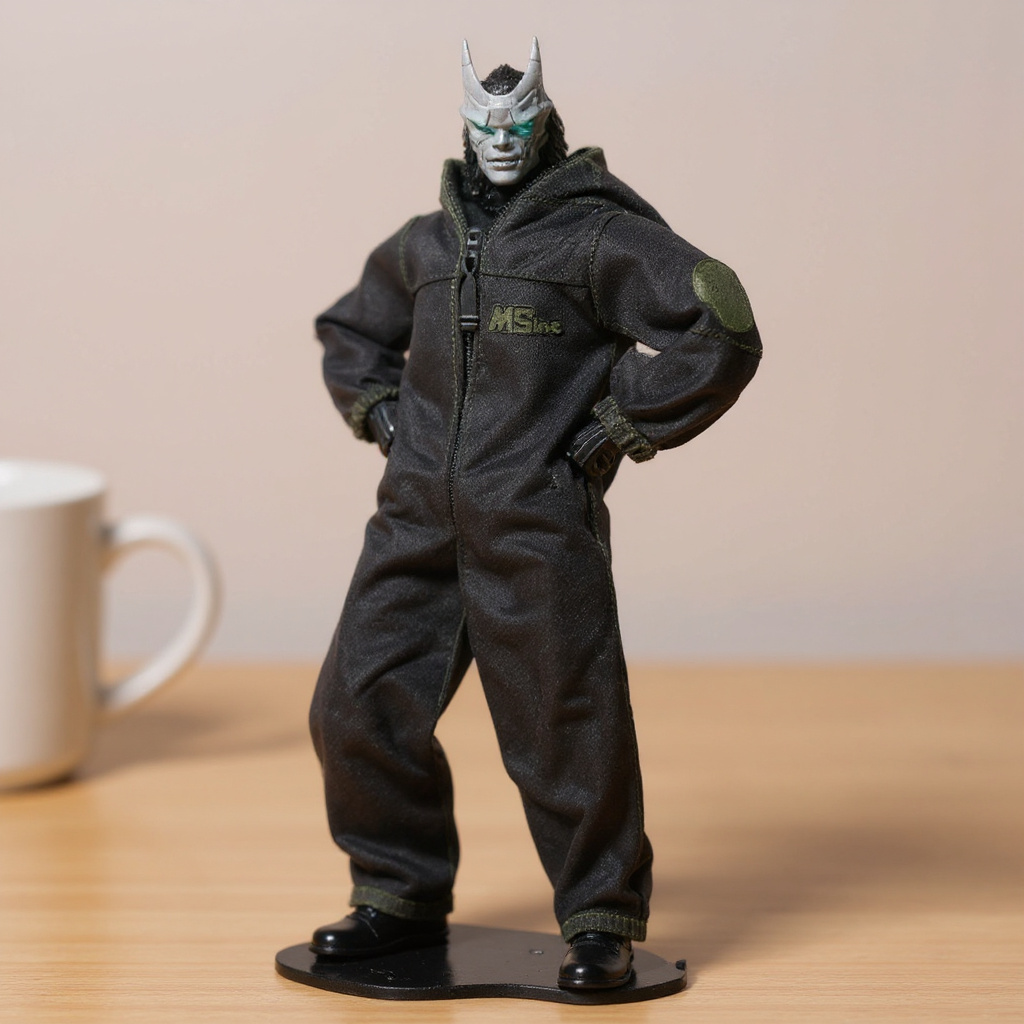
Some outfit swaps fail in predictable ways. Here's what I've learned the hard way.
1. Oversized outfits never look right, even when they technically "fit." A loose jacket sized for 1/10 will swamp a 1/12 body, and the proportions read wrong even when the tag says the size matches. 2. Shiny synthetic fabrics photograph poorly under most lighting setups. They throw hot spots and reflections that pull focus from the figure itself. 3. Outfits without closure systems — velcro, snaps, ties — turn into a fight every time you dress the figure. Good replacement outfit for anime figure body designs include practical fastening, not just fabric draped and hoped for. 4. Mixing pieces from different manufacturers rarely works. Fabric weights, dye lots, and construction methods don't match. Buy complete sets from one source when you can.
Making Wire-Embedded Fabric Last
Wire fatigue happens. Here's how to slow it down:
1. Make gentle bends, not sharp creases. Wire responds better to gradual curves than to 90-degree folds. 2. Let the figure's joints carry most of the pose weight. Don't make the wire do all the work. 3. Rotate which limb you bend the same way every time. Repeat the same fold on the left arm for a year and that section fails first — I've watched it happen on my own display shelf. 4. Store figures in neutral poses between photo sessions. A suit left bent at the elbow for three months picks up a memory crease that won't fully release.
Most wire-embedded clothing holds up for 6-12 months of regular posing before fatigue shows. One suit I've used for conventions lasted 14 months before the left elbow wire started holding a permanent slight bend — that's reasonable for the price point, and honestly better than I expected.
So Is It Worth the Investment?
A replacement outfit for anime figure body upgrades makes sense if you already own a compatible 1/12 body and want more display options. It doesn't make sense as a first purchase — you need the base figure before any outfit matters.
For Kaiju No. 8 fans active on collecting forums, a screen-accurate Reno protective suit fills a specific gap. Official licensed figures with this outfit run $60-120 when you can even find one in stock. A $44 handmade suit lets you build the same look on a body you already own. If you're unsure your figure qualifies, check our 1/12 scale sizing guide before ordering, and browse the full tactical outfit collection for other options in the same scale.
The handmade quality means some piece-to-piece variation. But the character accuracy and wire-posable build deliver what most collectors actually want — a figure that looks right in photos and holds a pose without help.
If you're building Kaiju No. 8 displays or need tactical gear for your 1/12 collection, browse our Reno Ichikawa protective suit. For background on how scale conventions like 1/12 developed across action figure lines, this scale reference is worth a read.

