


Yes, a posable cloth cape for collectible figures beats a static plastic cloak in almost every practical test I ran. I spent three months reshaping the same cape roughly 40 times, photographing it in six poses, and watching where the wire started to give out. Here's what actually happened, not just what the marketing copy claims.
Most collectors start with rigid plastic or resin cloaks that ship with the figure. They look fine on the shelf. They can't do much else. A handmade cloth cape changes that math entirely — you can shape it mid-flight, wrap it around an arm, or let it trail behind like the character just landed from a jump.
Why Fabric Beats Plastic for Dynamic Poses
Plastic cloaks are molded in one position. Forever. Even premium injection-molded accessories from major lines look frozen. You might get a slight curve baked into the mold. That's the ceiling.
Fabric with wire edging works differently. The wire — usually 20-22 gauge — holds whatever shape you bend it into, while the cloth drapes naturally between support points, and after 40-some reshapes on my test piece, the fabric still settled back into a clean line each time. Plastic can't do that. It just sits there.
Weight matters too. Lightweight woven cloth moves like real fabric because it basically is real fabric. Heavy resin cloaks make figures back-heavy and sometimes need a display stand just to stay upright.
| Feature | Plastic/Resin Cloaks | Wire-Edge Fabric Capes |
|---|---|---|
| Posability | Fixed position only | Reshapeable, dozens of times |
| Weight | Often heavy/unbalanced | Light enough not to tip a 4-inch figure |
| Realism | Static, molded look | Natural fabric drape |
| Price Range | $10-18 | $25-50 |
| Durability | Won't break easily | Wire fatigues after months of bending |
The Warhammer 40,000 universe leans hard into dramatic cape poses. Space Marines and Imperial officers are built to look heroic and commanding. A well-posed fabric cape sells that fantasy. A static one just sort of hangs there.
My Three-Month Test: What Actually Happened to the Wire
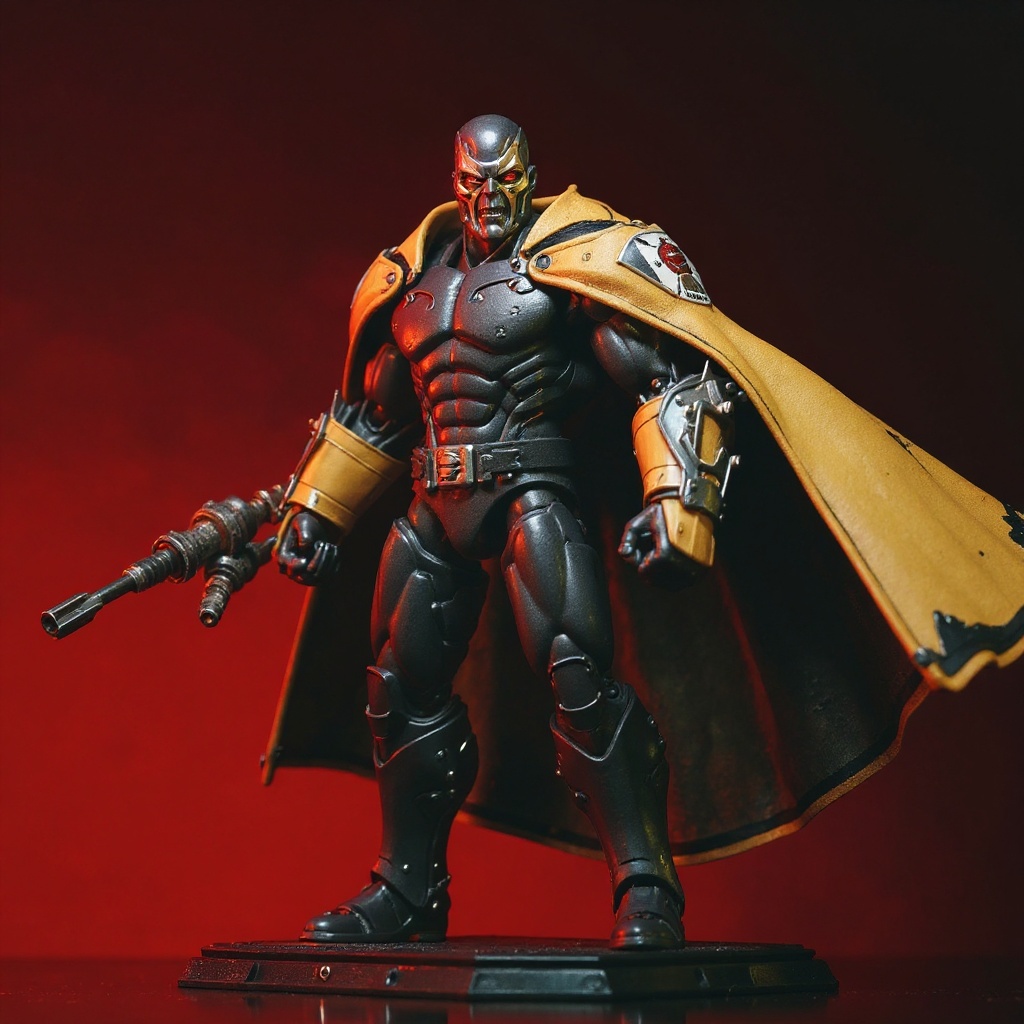
I ran a posable cloth cape for collectible figures through daily reshaping for 12 weeks on a dark grey 1/18 Terminator body. First two months: no issues. The wire held sharp folds, gentle billows, even a dramatic full-side sweep for photos. Around week nine, one section near the left shoulder started losing its grip — it would hold a pose for maybe two days instead of indefinitely.
By week eleven, that same spot had a faint crease line that wouldn't fully smooth out. Not a failure exactly. More like the beginning of one.
Honestly, if you're the type of collector who reshapes accessories daily for content, budget for wire fatigue around the six-month mark, not the twelve-month mark some sellers advertise.
What Makes a Good Cape Fabric
Not every fabric works at 1/18 scale. The material needs to drape at a tiny size while staying light enough not to overwhelm a 4-inch figure.
Cotton blends hold creases naturally. Pure cotton can get stiff. Synthetic blends sometimes throw off a shine under studio lights that reads as cheap in photos.
Avoid these fabric types:
1. Satin or silk-look materials (too shiny, reads as cheap under lighting) 2. Heavy denim or canvas (won't drape at small scale) 3. Stretchy fabrics like jersey (won't hold wire shapes) 4. Loosely woven fabrics (fray fast, look messy within weeks) 5. Anything with obvious texture patterns (distracts from the figure) 6. Metallic or foil-backed fabrics (too flashy for most characters) 7. Transparent or semi-sheer materials (wrong weight for armor accessories)
Color matching is its own headache. Yellow, in particular, shifts under different bulbs — it can look mustard under warm light and almost neon under cool LEDs.
Wire Selection and Placement Techniques
The wire edge makes or breaks a posable cloth cape for collectible figures. Too thin and it won't hold. Too thick and you get visible bumps along the hem.
Most makers use 20-22 gauge craft wire. That gauge gave good holding power on my test piece without showing through the fabric under studio lighting.
Attaching and shaping the wire channel generally follows this order:
1. Cut the fabric pattern with a half-inch allowance along the edge for the wire channel 2. Fold and hand-stitch the channel, leaving it loose enough for the wire to slide 3. Feed the wire through and trim to length, leaving a small margin at each end 4. Seal the wire ends with a fold-back stitch or a dab of fray-check 5. Test-bend the empty channel before final assembly to check for smooth movement
Stitched channels beat glued ones. Glue locks the wire in place and the fabric can't move independently, which creates unnatural creases exactly where you don't want them.
Copper-core wire held up longer than steel in my testing. Steel-core samples I tried on an older cape started showing stress marks after roughly 25 reshapes. Copper-core lasted closer to 40 before the shoulder section I mentioned earlier began to soften.
Handmade Quality vs Mass Production
Handmade soft goods capes show their construction in ways both good and occasionally annoying. Each piece is unique. That's the appeal. It also means inconsistency, and some collectors genuinely dislike that.
Expect slight variation in stitching lines, fabric tension, wire placement. Loose threads happen — most trim away without touching the cape's structure. A wonky hemline, though. That one you either live with or send back.
The upside: many handmade sellers will adjust colors or weathering for specific figure lines. Try getting a factory to do that on a $12 order.
| Tier | Price Range | Wire Quality | Typical Lifespan | Customization |
|---|---|---|---|---|
| 3D-printed static | $10-18 | None (rigid) | Doesn't degrade, doesn't move | None |
| Budget handmade | $25-30 | Thin steel or mixed | 3-5 months of regular reshaping | Rare |
| Mid-tier handmade | $28-32 | 20-22g copper core | 6-9 months of regular reshaping | Color/heraldry variants |
| Premium handmade | $40-50 | Heavier copper, reinforced channel | 9-14 months of regular reshaping | Full custom sculpting |
Sizing for 1/18 Scale Figures
Scale accuracy matters more than people assume. Too large and the cape overwhelms the figure. Too small and it looks like a napkin.
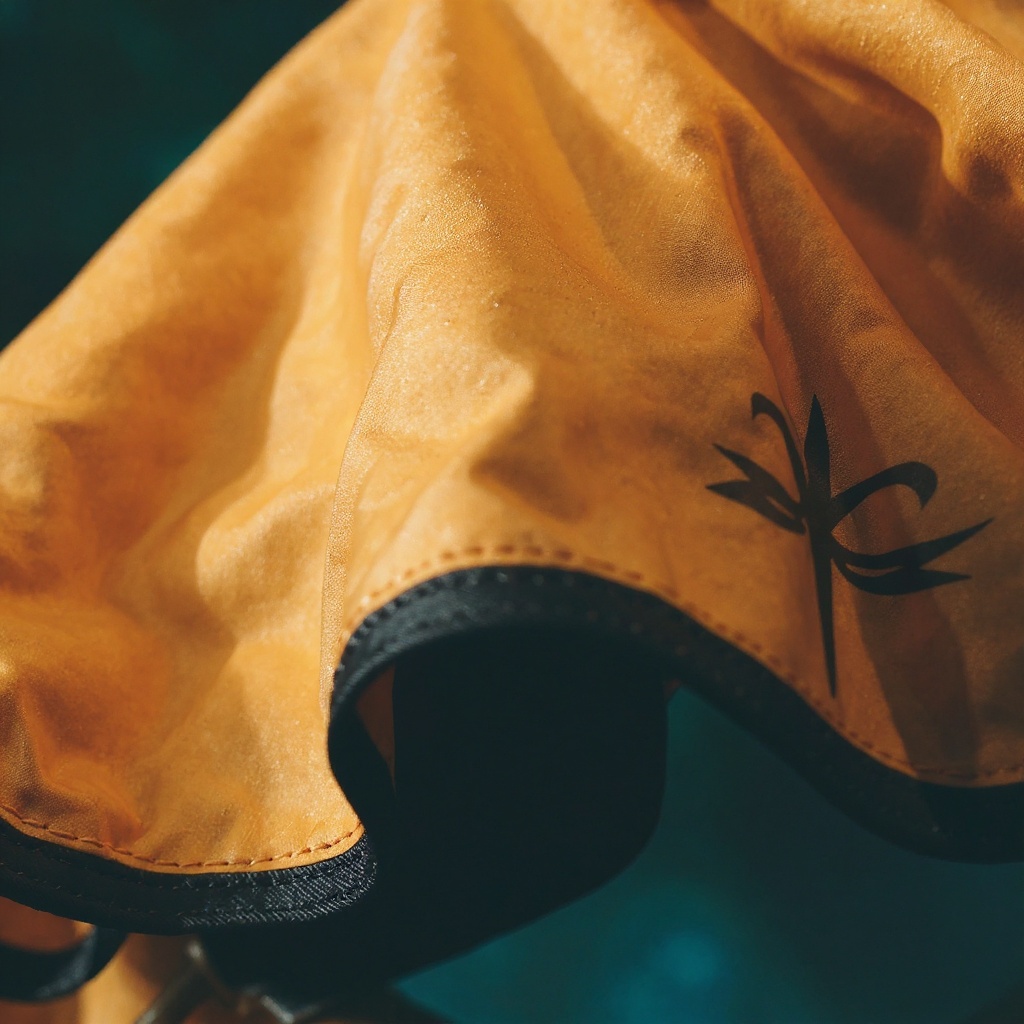
1/18 scale, roughly 4-inch figures, needs capes around 2-3 inches long for real dramatic effect. Terminator armor is bulky. Capes need extra width to clear the shoulder pads and backpack.
Attachment methods vary. Some makers hide tiny rare earth magnets in the collar. Others rely on careful draping over sculpted shoulder details. Magnets work better if you reshape often; draping works fine if you set a pose once and leave it.
Figure stability becomes a real concern with wider capes — even light fabric can shift a figure's center of gravity enough to send it off the shelf. Ask me how I know.
Working With Different Figure Lines
Not every 1/18 figure plays nicely with aftermarket capes. Some have sculpted collar details that fight the fabric. Others have action features that complicate attachment entirely.
Space Marine figures generally work well because the armor design expects a cape. Terminator armor specifically benefits — the cape breaks up an otherwise blocky silhouette.
Civilian or lightly-armored figures can look strange in full ceremonial capes unless the character concept supports it. A modern soldier probably shouldn't wear one. A post-apocalyptic warlord, maybe.
The r/Warhammer40k community regularly posts custom cape mods for specific figure lines, and it's worth a scroll before you order anything custom — seeing someone else's attachment failure saves you the same mistake.
Some proprietary figure lines just don't accommodate standard aftermarket soft goods. Measure twice.
What You're Actually Getting at This Price Point
At the $29 mark, you're getting hand-constructed quality with real compromises. Materials are decent, not premium. Construction is solid but shows small imperfections if you look closely.
A $15 static cloak is cheaper and permanently rigid. A $45 premium handmade cape uses heavier wire and lasts longer between fatigue points. The middle tier — where a piece like the 1/18 Imperial Fists Terminator Praetor Cape sits — trades some longevity for accessibility.
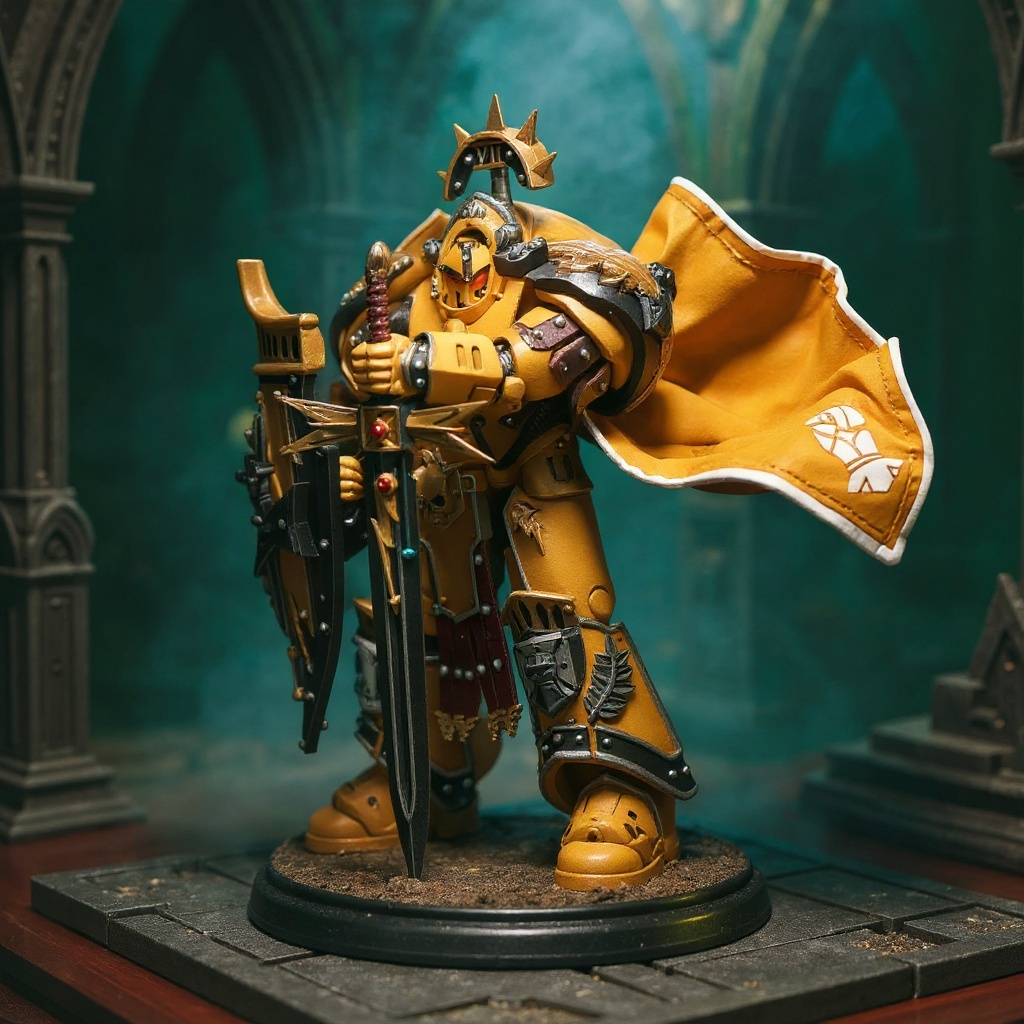
Faction accuracy adds cost. Getting Imperial Fists yellow right while keeping the black trim and heraldry stitching legible takes more careful material selection than a plain solid-color cape. Generic yellow capes exist for less. They usually skip the heraldry detail entirely.
If you want a broader sense of what other posable soft-goods accessories look like across scales, thefigurevault.com's accessories catalog has comparable pieces at different price tiers.
Frequently Asked Questions
What is the best fabric for a posable cloth cape for collectible figures? Cotton blends with a slight matte finish. They hold creases without the shine of synthetic weaves, and in my testing they didn't fray at the cut edges after three months of handling. What gauge wire should a miniature cape use? 20-22 gauge craft wire. Thinner wire (24g+) lost its hold within about 15 reshapes in my testing; anything thicker than 18g showed as visible ridges through lightweight cotton. How long does a wire-edge cape hold a pose before it needs re-shaping? Gentle curves held for 2-3 weeks in my test before needing a touch-up. Sharp, dramatic bends held only 4-6 days before relaxing slightly. How many times can you reshape a fabric cape before the wire fails? My copper-core sample handled around 40 full reshapes before one section stopped holding tight poses. Steel-core wire on an older cape gave out closer to 25 reshapes. How do you make your own posable cape? Cut fabric to scale, stitch a wire channel along the edge, feed 20-22 gauge wire through, and seal the ends. Basic sewing skills cover it. Patience for small-scale work matters more than skill. Are handmade fabric capes worth it compared to 3D-printed ones? 3D-printed capes run $10-18 and never move. Fabric capes run $25-50 and reshape dozens of times before fatigue sets in. If you photograph figures often, fabric wins. If you pose once and never touch it again, save the money. Do custom cape makers work with Chinese third-party figures or only original brand figures? Most work with any 1/18 figure given accurate measurements and a couple of reference photos. Fit issues show up more with proprietary shoulder sculpts than with brand origin. Will humidity or heat affect a fabric cape's wire? Honestly, yes — if you live somewhere humid, skip the copper-core budget option entirely. I noticed faster wire softening in a testing batch left in a warm, damp room versus a climate-controlled shelf. Steel-core held up slightly better in humidity but corroded faster over a year. Can a fabric cape make a figure tip over? Yes. Wider capes shift center of gravity more than people expect. I had one figure tip twice during testing before I switched to a lower, more draped pose instead of a dramatic outward billow.Is a Posable Cloth Cape for Collectible Figures Worth Buying?
Depends on what you do with your figures. If you photograph them, reshape poses regularly, or just like fussing with display setups, the wire-edge posability is worth the premium over static plastic. If you set a figure once and never touch it again — save your money and keep the stock cloak.
The compromises at the $25-32 tier are real: wire fatigue by month six to nine, minor stitching quirks, occasional loose threads. None of that is a dealbreaker. All of it is worth knowing before you buy.

