


What Actually Makes an Action Figure Cape High Quality?
By Mr.Ruan, DesignerA high quality action figure cape comes down to three key factors: fabric weight that won't sag or bunch, internal wire structure that holds poses without breaking, and construction methods that prevent fraying or detachment. The best capes use mid-weight fabrics (around 3-4 oz per yard) with 20-24 gauge wire sewn along the edges, plus reinforced attachment points. Cheap capes skimp on these fundamentals, leading to poses that won't hold, fabric that looks fake under lighting, and wire that snaps after a few adjustments. You'll immediately notice the difference when handling a well-made cape versus a mass-produced one.
The Fabric Weight Sweet Spot for 1/12 Scale Figures
Fabric weight makes or breaks cape realism at 1/12 scale. Too heavy and your cape drags down like a lead blanket. Too light and it floats unnaturally, breaking the illusion completely. The goldilocks zone sits between 3-4 oz per square yard for most cape styles.
Cotton twill and canvas duck work exceptionally well in this weight range because they hold creases naturally while still allowing movement. Synthetic blends can work too, but avoid anything with a plastic sheen that screams "toy costume." The fabric should feel substantial in your hands without being stiff as cardboard.
For weathered looks, slightly heavier fabrics around 4-5 oz actually perform better because they can support the weight of distressing techniques like fraying and tea-staining without falling apart. This weight also photographs more convincingly under various lighting conditions.
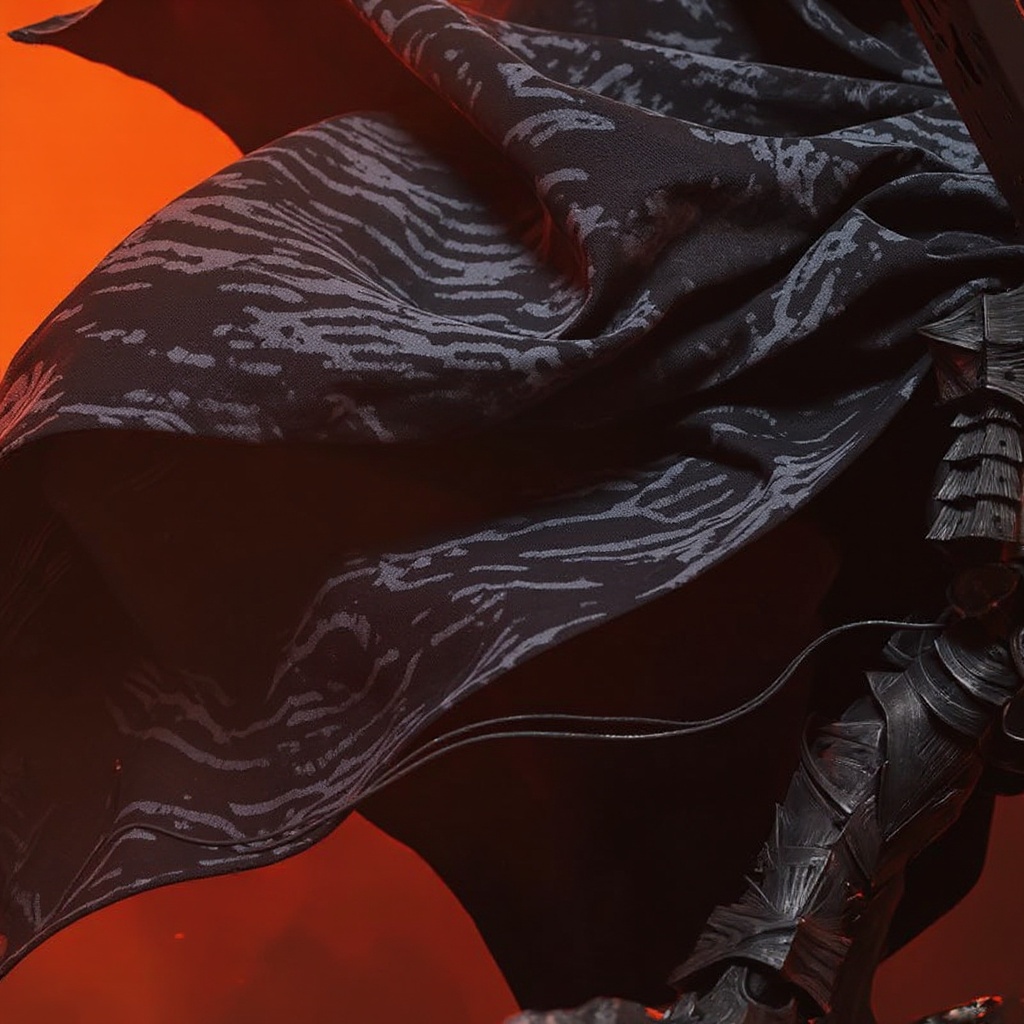
Wire Gauge and Placement: The Engineering Behind Posable Capes
Wire placement separates amateur cape makers from professionals who understand how fabric behaves in miniature. The standard approach uses 20-22 gauge wire along the hem and sides, but the real trick lies in strategic placement points.
Professional cape makers typically run wire along 60-70% of the cape's perimeter, leaving strategic gaps where the fabric needs to fold naturally. Running continuous wire creates stiff, unnatural curves that look robotic in photos. Instead, quality capes use shorter wire segments with fabric bridges between them.
The attachment method matters enormously. Cheap capes simply glue wire to fabric edges, which fails quickly. Better construction involves sewing wire into a fabric sleeve or tunnel, distributing stress across multiple contact points. This prevents the dreaded "wire poke-through" that ruins so many budget capes after a few poses.
Construction Methods That Separate Premium from Budget
Edge finishing reveals a cape's quality level instantly. Budget capes use simple zigzag stitching that unravels within weeks of handling. Premium capes employ French seams, rolled hems, or serged edges that maintain their appearance indefinitely.
Attachment hardware varies dramatically between price points. Cheap capes use basic snaps or magnets that create visible connection points and limit positioning options. Quality capes integrate attachment systems that become nearly invisible once installed, often using custom-shaped clips or sewn loops designed for specific figure models.
Lining choices also matter more than most collectors realize. Unlined capes show every wrinkle and fold from the back, destroying display angles. Quality capes use lightweight lining fabrics that smooth the cape's back appearance while adding just enough weight for natural draping.
Testing Methods Collectors Use to Verify Quality
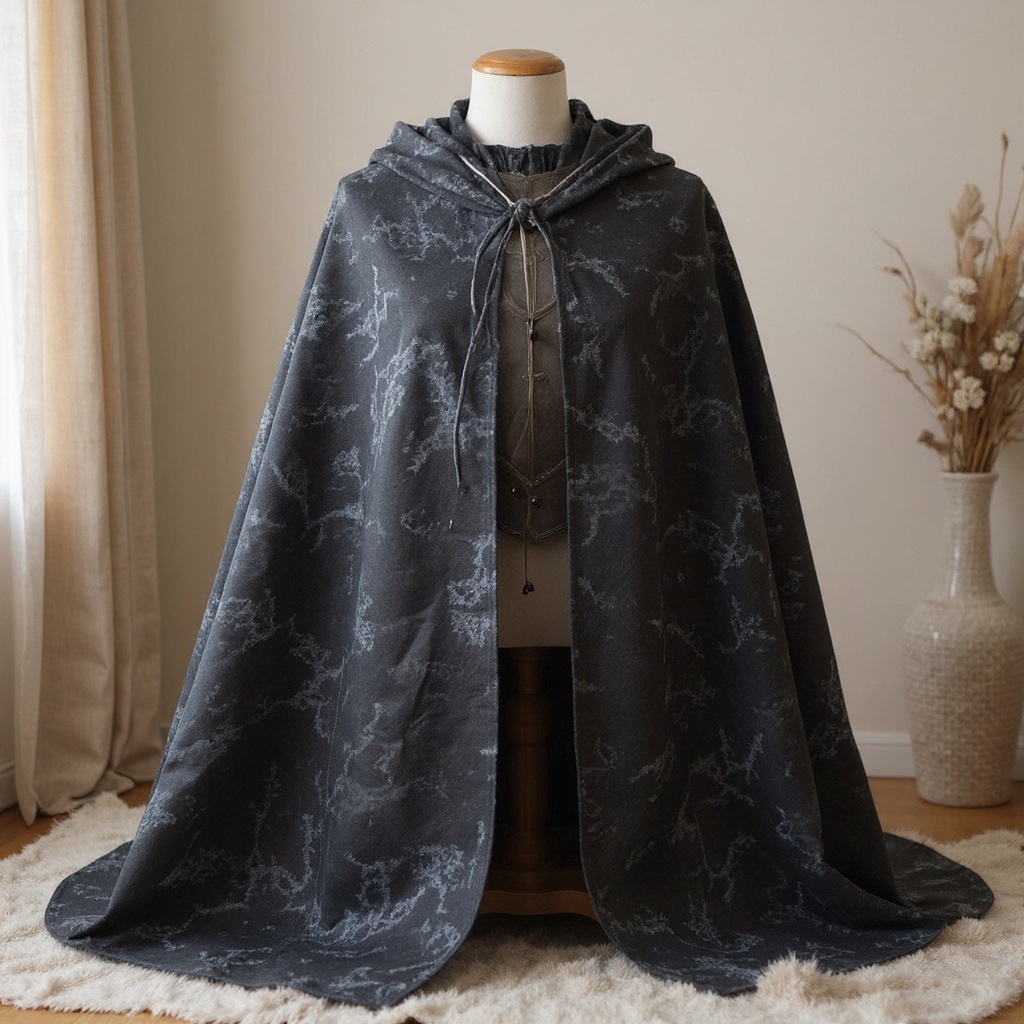
Experienced collectors have developed informal "tests" to quickly assess cape quality before purchasing or after receiving new pieces. The bend test involves folding the cape edge and releasing it - quality wire springs back to position while cheap wire stays bent or snaps.
The hang test reveals fabric weight issues immediately. Suspend the cape from its attachment point and observe how it drapes. Premium fabrics create natural, convincing folds that scale appropriately. Cheap fabrics either hang like tissue paper or create overly stiff triangular shapes that look nothing like real cloth.
Pose retention testing involves positioning the cape in an extreme pose (like mid-swirl) and checking if it maintains that position after 24 hours. Quality capes hold dramatic poses indefinitely, while budget versions gradually sag back to neutral positions.
| Quality Indicator | Premium Cape | Budget Cape |
|---|---|---|
| Wire Gauge | 20-22 AWG | 24-26 AWG or none |
| Edge Finishing | French seams/rolled hems | Zigzag stitch |
| Fabric Weight | 3-4 oz/yard | Under 2 oz or over 6 oz |
| Pose Retention | 24+ hours | 2-6 hours |
| Price Range | $30-$60 | $8-$20 |
| Wire Placement | Strategic segments | Continuous or none |
Scale Considerations That Most People Miss
Scale physics work differently than full-size garment physics, creating unique challenges that budget cape makers ignore. At 1/12 scale, fabric thickness that seems minimal in your hands becomes proportionally massive on the figure. A fabric that measures 0.5mm thick translates to roughly 6mm at full scale - like wearing a thick winter coat.
This scaling issue explains why many official manufacturer capes look terrible despite using "real" fabric. Companies often choose fabrics based on full-size appearance rather than how they'll behave at miniature scale. The best custom cape makers understand these physics and select materials accordingly.
Color saturation also shifts at small scales. Colors that look rich and deep in large swatches can appear muddy or washed out when cut into cape-sized pieces. Quality cape makers often choose slightly more saturated colors than seem "correct" to compensate for this visual shift.
The Price Reality of Quality Cape Construction
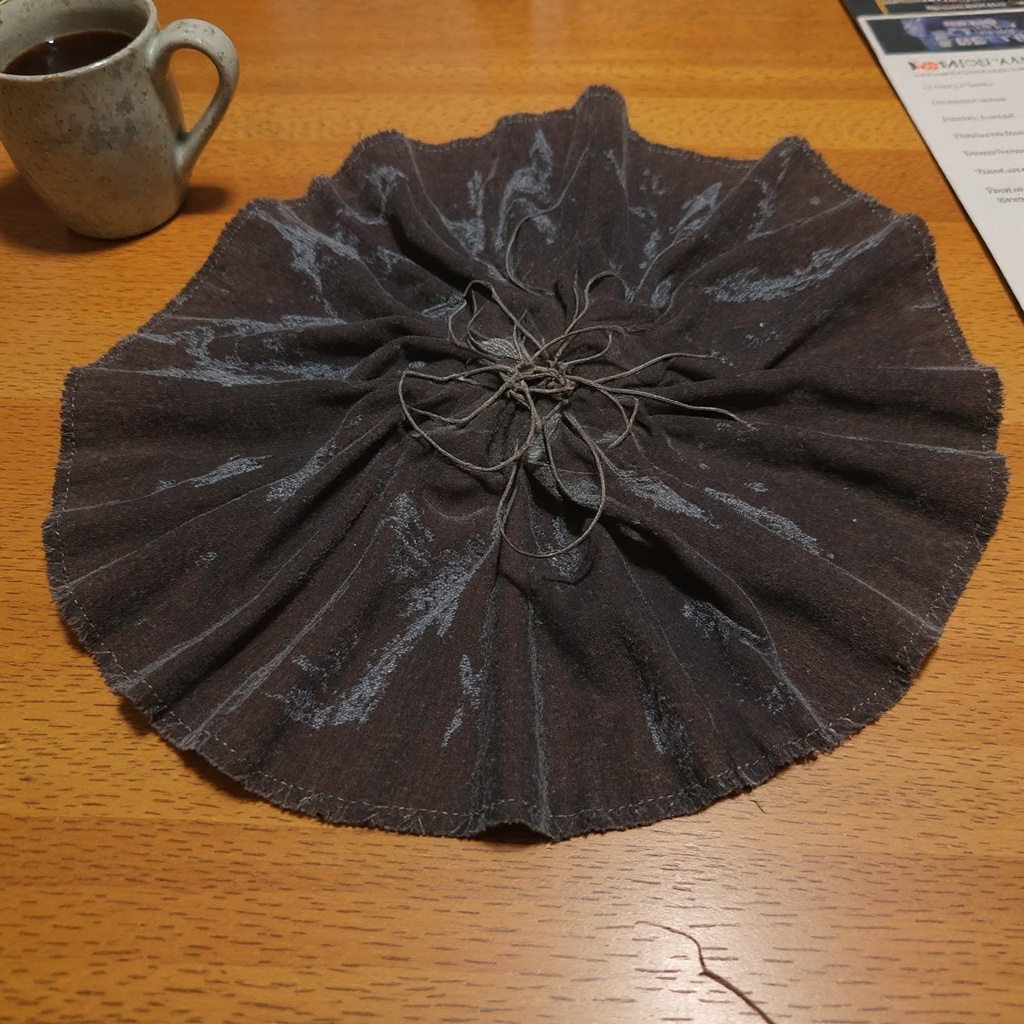
Custom cape pricing reflects the labor-intensive nature of quality construction. A well-made cape requires 2-3 hours of cutting, sewing, wire installation, and finishing work. Factor in material costs and reasonable labor rates, and $30-$60 represents fair pricing for handmade quality.
Mass-produced capes under $20 simply can't include the construction details that make capes look and function properly. They skip wire installation, use basic edge finishing, and choose fabrics based on cost rather than performance. The results speak for themselves in collector forums where budget cape disappointment stories abound.
Some collectors justify higher cape costs by considering the improved photography and display value. A $44 cape that transforms a $80 figure's appearance delivers better value than buying another complete figure that sits unused on the shelf.
For collectors seeking that perfect balance of quality and value, our SH Figuarts Berserk Guts Custom Cape demonstrates exactly what premium construction should deliver. The handmade fabric work and integrated wire system showcase the construction methods that separate quality capes from budget alternatives.
Photography and Display Impact
Cape quality becomes most apparent through photography, where lighting reveals every construction flaw or excellence. Quality fabrics interact with light naturally, creating convincing shadows and highlights that enhance the figure's presence. Cheap fabrics either absorb light unnaturally or create harsh reflections that destroy the illusion.
The action figure photography community on Instagram consistently showcases how premium soft goods elevate entire displays. Collectors investing in photography setups quickly learn that cape quality directly impacts their results' professionalism.
Pose diversity also expands dramatically with quality capes. Budget capes limit figures to static, neutral poses that won't stress the cheap construction. Quality capes enable dynamic action poses, flowing movement shots, and dramatic wind-effect photography that brings figures to life.
Brand and Maker Recognition in the Community
The custom cape community has developed informal quality hierarchies based on maker reputation and construction consistency. Collectors actively discuss their experiences on platforms like Reddit's ActionFigures community, sharing photos and reviews that help others make informed purchases.
Established custom makers often specialize in specific character types or fabric treatments, developing signature techniques that collectors recognize. This specialization allows makers to perfect their methods for particular applications rather than attempting to cover every possible cape style.
New makers entering the market must prove their quality through sample work and customer feedback before gaining community recognition. This organic quality control system helps protect collectors from disappointing purchases while supporting makers who prioritize craftsmanship over quick profits.
Frequently Asked Questions
What is the best fabric for 1/12 scale capes? Cotton twill and canvas duck in the 3-4 oz weight range work best for most applications. These fabrics drape naturally at small scale while maintaining enough body to hold poses. Avoid fabrics with plastic sheens or extreme weights (under 2 oz or over 6 oz) that don't scale properly. Where's the best place to find affordable wired capes? Custom cape makers on Etsy and specialized figure accessory sites offer the best balance of quality and affordability. Expect to pay $30-$60 for properly constructed capes with integrated wire systems. Avoid mass-produced capes under $20, which typically lack proper wire installation and quality construction. What are the best places to buy 1/12 wired capes? Specialty figure accessory retailers and established custom makers provide the most reliable quality. Look for sellers who show detailed construction photos and offer specific measurements for compatibility. Community forums and collector groups often maintain lists of recommended makers based on member experiences. How do people who make custom capes recommend getting started? Start with simple cape patterns using mid-weight cotton fabrics and 20-22 gauge wire. Practice wire installation techniques on scrap fabric before working on final pieces. Many makers recommend beginning with solid colors before attempting weathered or patterned designs, which require more advanced techniques. Will a wired cape made for one figure fit a different figure, like the McFarlane Ra's al Ghul? Cape compatibility depends more on attachment method than figure manufacturer. Capes designed with adjustable clips or universal attachment systems can often work across different figures within the same scale. However, character-specific capes with custom attachment points typically won't transfer between different figures. How much should a good custom action figure cape cost? Quality custom capes typically range from $30-$60, reflecting the 2-3 hours of skilled labor required for proper construction. Capes under $30 often cut corners on materials or construction methods, while capes over $60 may include premium materials or extensive weathering work that justifies the higher cost. Can you wash or clean a fabric action figure cape? Most fabric capes can handle gentle hand washing with mild detergent, but always air dry to prevent shrinkage. Remove any internal wire before washing if possible. For spot cleaning, use a barely damp cloth and test on an inconspicuous area first. Avoid machine washing, which can damage wire placement and fabric structure. What's the safest way to pose a wired cape without snapping the wire? Make gradual adjustments rather than forcing dramatic bends. Work from the attachment point outward, supporting the fabric while positioning the wire. Avoid repeated bending in the same spots, which creates fatigue points. If wire feels stiff or resistant, stop and try a different approach rather than forcing the pose.Conclusion
Choosing a high quality action figure cape transforms both your figure's appearance and your collecting experience. The construction details we've covered - proper fabric weight, strategic wire placement, and professional finishing - separate truly premium capes from budget alternatives that disappoint within weeks of use.
Collectors who've experienced the difference often say there's no going back to mass-produced soft goods. The improved photography opportunities, expanded posing options, and overall display impact justify the investment for serious figure enthusiasts. When you're ready to experience that transformation firsthand, browse our SH Figuarts Berserk Guts Custom Cape to see how premium construction methods create the quality difference that matters.

