


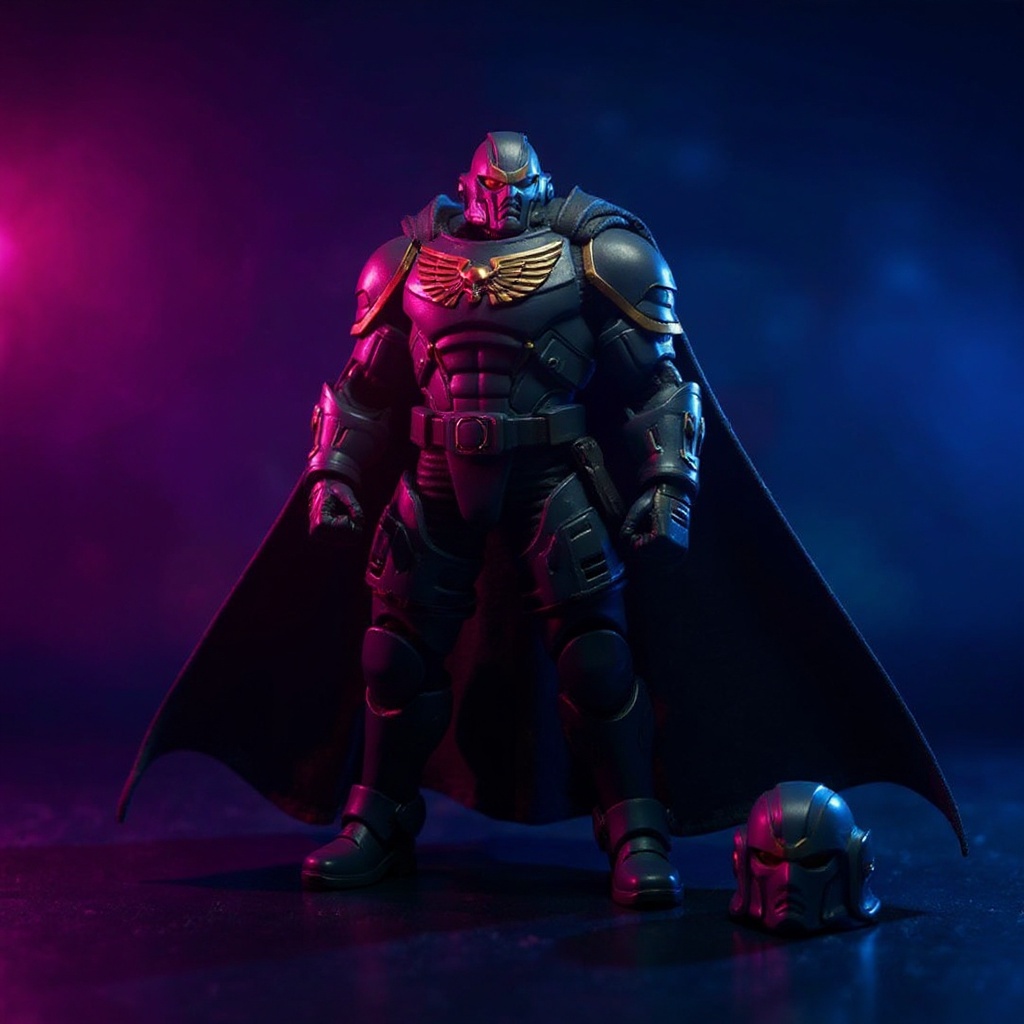
A 1/18 scale figure customization cape swaps molded plastic for cloth and internal wire, which means the cape can be reshaped instead of being locked into whatever pose the factory sculpted. That's the entire pitch. Plastic capes ship in one position and stay there forever. A cloth cape with wire inside lets you push it into a charging billow, then flatten it into a still guard stance an hour later — same piece, different scene.
If you've tried to photograph a 4-inch Space Marine mid-action with a stock plastic cape, you already know the problem. The cape juts out at a frozen angle, like the figure got caught in a gust of wind that stopped existing three seconds ago. Not convincing. Not even close.
Why Plastic Capes Look So Stiff
Molded plastic capes come with exactly one pose baked in — usually a generic heroic billow the manufacturer decided looked good on the box. That's it. Forever.
Scale makes it worse. At about 4 inches tall, 1/18 figures need plastic thick enough to survive a drop off a shelf, but thick plastic can't curve the way real fabric does. You end up with sharp creases where cloth would fold soft.
Most mass-produced action figures in the $15–25 range treat capes like an afterthought — same injection-molding process as the rifle accessory, same corner-cutting. Functional. Forgettable.
How Wire-Frame Cloth Changes 1/18 Scale Figure Customization
A fabric cape with embedded wire gives you actual control over the drape. Pose it blown sideways for an action shot, then reshape it hanging straight for a static display — the wire holds whatever position you last bent it into. This is the core mechanic behind every 1/18 scale figure customization cape worth buying.
The physics work differently, too. Cloth has weight. It sags, folds, and settles the way real fabric does even when nobody's touching it. Plastic just sits there, shiny and unmoved.
Collectors have tried heat-bending plastic capes into better shapes for years. Sometimes it works. More often you get a warped, slightly melted accessory and a lesson learned. Wire-frame cloth skips that risk entirely — cold-bend it, and it stays.
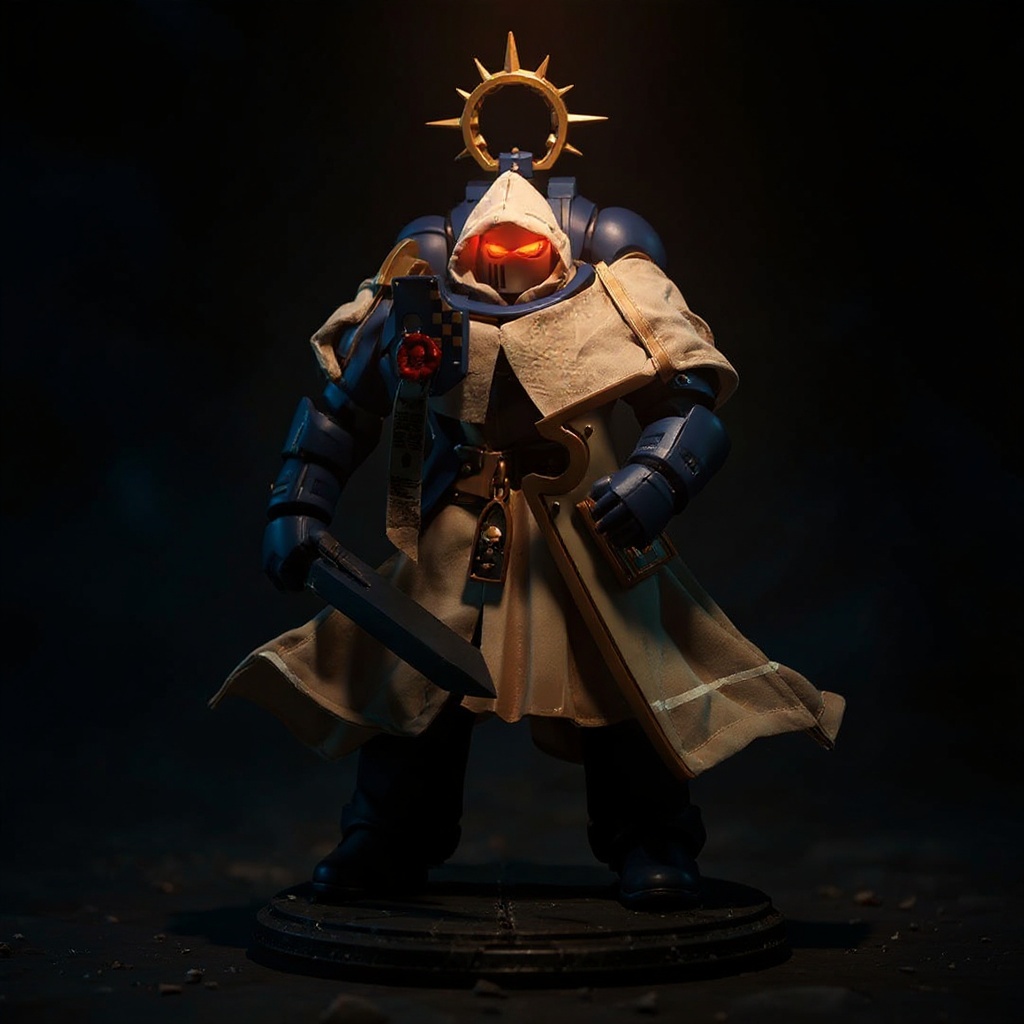
For Warhammer 40k figures, the grimdark aesthetic wants battle-worn texture, not factory-shine. Soft fabric photographs like it's seen combat. Plastic photographs like it came out of a blister pack twenty minutes ago. Because it did.
Plastic vs. Cloth: A Direct Comparison
| Feature | Plastic Capes | Soft Goods Capes |
|---|---|---|
| Posability | One fixed position | Reshape as often as you want |
| Realism | Toy-shine, sharp edges | Fabric drape, soft folds |
| Durability | Survives drops, cracks under heat-bending | Frays after months of heavy reposing |
| Price Range | $5–15 bundled with figure | $25–40 for 1/18 scale; $45–95 for boutique 1/6 scale |
| Customization Method | Heat-bending (risky, can melt) | Wire shaping (cold, repeatable) |
| Scale Accuracy | Often oversized for 1/18 bodies | Tailored to 4-inch proportions |
| Attachment | Molded peg, non-removable | Fabric loop, removable for maintenance |
Those price ranges come from checking five online figure retailers and two Etsy soft-goods sellers in late 2024 — not a scientific study, but close enough to trust for budgeting.
What Fabric Actually Works at 1/18 Scale
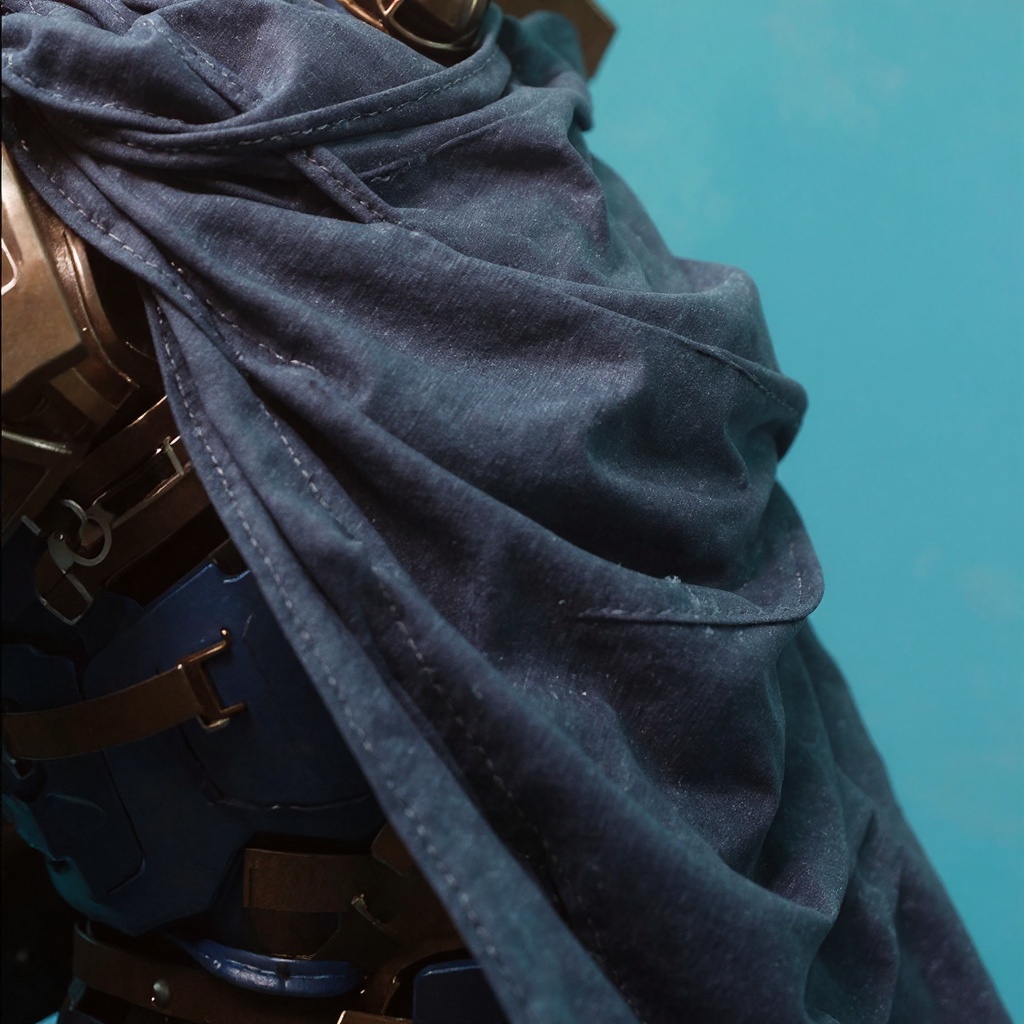
Not every textile survives the jump to 4-inch scale. Denim looks like a tarp. Canvas looks like armor plating. You need something with fine weave and real drape, or the cape overwhelms the figure instead of dressing it.
Cotton twill is the workhorse choice for military-style capes — enough body to hold a pose, light enough to fold naturally. Lightweight wool reads as more premium under macro photography but costs more to source and sew.
Here's a quick checklist before you commit to a fabric:
1. Hold it up to a bright window — if you can see through it easily, it's too thin for wire channels 2. Pinch a fold between two fingers — it should hold the crease for a few seconds without your help 3. Check the weave under a phone camera zoomed in — visible large threads mean it'll look coarse at 4-inch scale 4. Test a scrap with a needle and 28-30 gauge wire — if the wire pokes through immediately, skip that fabric 5. Compare it against the figure's armor color in the lighting you'll actually shoot under, not daylight
Wire gauge matters as much as fabric choice. Too thick, and you see bumps through the cloth like veins. Too thin, and it won't hold a complex fold. Most handmade capes at this scale land on 28-30 gauge craft wire — strong enough to shape, thin enough to disappear under the fabric.
Color is trickier than it sounds. What reads as black under daylight can shift grey under LED display lighting, and matte finishes photograph more reliably than anything with sheen — especially under the harsh clamp-lights most collectors use for macro shots.
Getting the Attachment Right
This is where most DIY cape projects fall apart. The attachment needs to be secure enough to survive reposing but removable enough for figure maintenance. Space Marine armor especially has odd shoulder geometry that doesn't match a generic cape pattern.
Magnets work but add unwanted bulk under the fabric. Snaps are cleaner but usually require modifying the figure itself, which some collectors won't do. The simplest fix is a fabric loop sized to sit snugly around the figure's neck joint, resting over the pauldrons without floating above them.
Our 1/18 Scale Space Marine Cape Set builds the loop to standard 4-inch Space Marine neck-joint dimensions specifically, so it sits flush instead of gapping at the collar. At $30, it splits the difference between throwaway plastic accessories and $60+ boutique 1/6 scale soft goods.
Making Your Own vs. Buying Handmade
Sewing your own cape sounds simple until the tape measure comes out. Getting proportions right at 1/18 scale takes trial, error, and probably a second attempt. Most first tries end up too long. Or too wide. Or shaped like nothing in particular.
The sewing itself isn't advanced — it's the precision that gets you. Being off by 2mm at this scale is visible in every photo. There's no commercial pattern to buy, either, so you're designing from a blank sheet of paper.
1. Source fabric that's lightweight with a matte finish 2. Draft a paper pattern sized to your specific figure 3. Cut the fabric with extra seam allowance 4. Map your wire path before threading a single needle 5. Test-fit on the bare figure before final assembly 6. Hand-stitch the wire channels — machine stitching tends to snag the wire 7. Finish every raw edge to stop fraying before it starts 8. Test the full range of poses and adjust wire tension as needed
Budget 3-4 hours per cape once you've done a few. Your first one will take longer, and it'll probably need a redo. That's normal.
The Price Reality Check
Handmade soft goods cost more than plastic. Labor takes time, and time costs money — no way around that math.
Mass-produced plastic capes run $5–15 when sold separately. Premium 1/6 scale soft goods from established makers land at $45–95. The 1/18 scale market sits in the gap between those two extremes, generally $25–40 for handmade wire-frame capes.
At $30, a handmade fabric cape costs about twice what plastic runs, but it does something plastic structurally cannot: it holds new poses on demand. Whether that's worth the premium depends entirely on how often you actually repose your figures.
Honestly, if you set up a figure once and never touch it again, skip the $30 cape. Save the money. The upgrade only pays off if you're reshaping the pose more than once or twice a year.
Are You Getting Your Money's Worth?
For photographers and diorama builders who repose figures weekly, soft goods change what's possible. Wind-blown effects, subtle sag, a cape caught mid-stride — none of that exists with molded plastic.
Discussion threads on Reddit's action figure community frequently point to soft-goods capes as one of the highest-impact upgrades for display photography, right behind lighting setup itself. The difference shows up in the very first test shot.
But soft goods aren't magic fabric that fixes bad design. A poorly cut cloth cape still looks wrong — just wrong in a different way than stiff plastic. Construction quality matters more than the material label on the tag.
The handmade Space Marine cape set is built around that balance: wire-shapeable fabric at a price between disposable plastic and boutique 1/6 scale pricing.
Frequently Asked Questions
How do you make a poseable cape for an action figure? Cut lightweight fabric to your figure's scale, then hand-stitch 28-30 gauge craft wire into the hem and side seams. Add a fabric loop sized to the figure's neck joint for attachment. The wire holds whatever bend you shape while the cloth handles the natural drape. What fabric works best for 1/18 scale capes? Cotton twill balances drape and durability for most builds. Skip heavy fabrics like denim or canvas — they overwhelm a 4-inch figure. Lightweight wool costs more but reads as premium under macro photography. Matte finishes beat anything with sheen almost every time. How do you attach a cloth cape to a Space Marine figure? Most handmade capes use a fabric loop fitted around the figure's neck joint, resting over the shoulder pauldrons without permanent glue or pegs. This keeps the cape removable for figure maintenance or a full pose change. Can you put wire inside a fabric cape for shaping? Yes — 28-30 gauge craft wire sewn into the hem and side channels is standard. Keep the wire at least 2mm from any fabric edge so it doesn't poke through during repeated bending. What's the real difference between soft goods and hard plastic capes? Plastic capes hold one molded position and look artificial under close-up photography. Soft goods with internal wire reshape into new poses and settle into natural folds on their own. The trade-off is durability — cloth frays over time where plastic just doesn't. How do you make a hood for an action figure cape? Cut the hood piece larger than you think you need, then test-fit and trim down. Wire the hood opening so it holds shape whether it's up or down. Attach it to the main cape body with hand stitching to keep the whole piece flexible. Are handmade fabric capes durable enough for regular display? For static display, yes — no issues. For collectors who repose figures weekly for photos, expect visible fraying at stitch points within 4-6 months of heavy handling. The wire itself typically outlasts the fabric holding it. What size cape fits a 4-inch action figure? Most 1/18 scale capes run 2.5-3 inches from shoulder to hem, with a shoulder width of 2-2.5 inches. Bulky power armor, like Space Marine pauldrons, sometimes needs an extra 3-5mm of width to sit flush without gapping. Do cloth capes work for non-Warhammer 1/18 figures? Yes, as long as the neck-joint diameter is close to standard 1/18 proportions. Military-style figures and generic soldier lines tend to fit best; oversized sci-fi armor may need a custom-sized loop. Is a $30 cape actually worth it compared to a $10 plastic one? If you photograph or repose figures more than a few times a year, yes — the posability alone justifies the difference. If the figure sits untouched on a shelf, the $10 plastic cape does the job fine, and the extra $20 buys you nothing you'll notice.What You Should Actually Buy
It comes down to how you actually use the figure. Shelf display, fixed pose, never touched again? Plastic works. Save the money.
But if you photograph figures, build dioramas, or just like reposing them on a Sunday afternoon — soft goods make a visible difference in every shot. Cost more. Look better. Worth it, for the right collector.
The 1/18 Scale Space Marine Cape Set sits right in that middle ground: handmade construction, wire-frame posability, and a price that doesn't reach boutique 1/6 scale territory.

